Why does one custom activewear sample cost more than a garment produced in bulk?
For new activewear brands, sample fees can be confusing. A manufacturer may quote a relatively high price for one pair of leggings or a sports bra, even though the expected bulk unit price is much lower.
An activewear sample cost covers more than fabric and sewing. It may include pattern development, small-quantity material sourcing, individual cutting, machine setup, skilled sewing, and inspection.
Understanding these costs helps you compare quotations, avoid unexpected charges, and manage your development budget.
Quick Answer: How Much Does an Activewear Sample Cost?
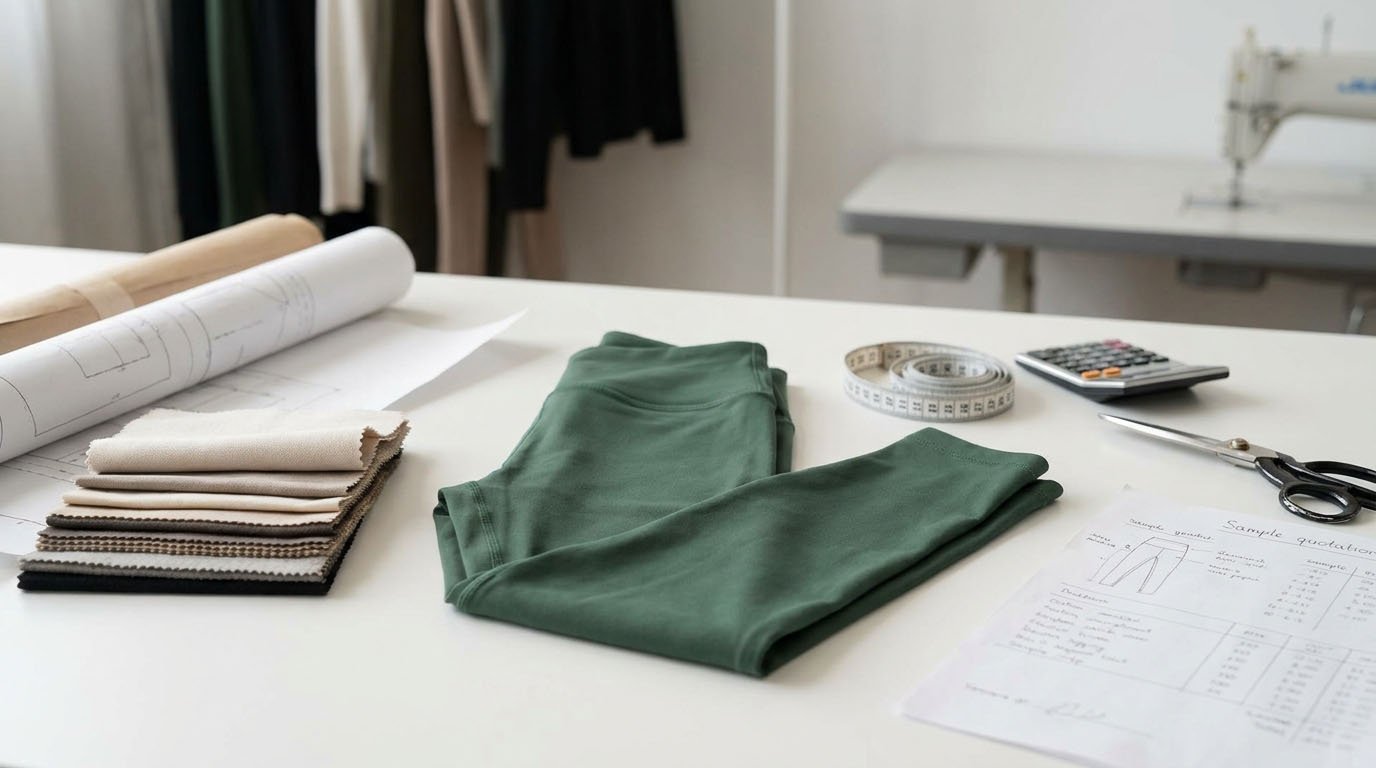
For preliminary budgeting, a basic first-prototype activewear sample may cost approximately $50–$180 per piece, depending on the garment and supplier.
This is an illustrative planning range, not a fixed Wearzio quotation or universal industry price. New pattern development, specialty fabrics, branding setup, revisions, and shipping may cost extra.
For broader launch expenses, see our activewear startup cost guide.
The key distinction is simple:
A sample fee pays for development work. A bulk unit price reflects repeatable production.
Before accepting a quotation, confirm what the sample fee includes, which services cost extra, and whether any amount can be credited against a future bulk order.
Key 1: What Is Included in an Activewear Sample Fee?
A sample quotation may appear to be a single garment price, but several development activities contribute to the total.
Pattern Development
A manufacturer may need to create or modify a pattern before cutting fabric.
Simple leggings may require limited pattern adjustments, while compression garments, structured sports bras, or designs with multiple panels can require more development work.
Pattern creation may be included or quoted separately. Full size grading is not necessarily part of the first prototype fee.
Fabric, Cutting, and Sewing
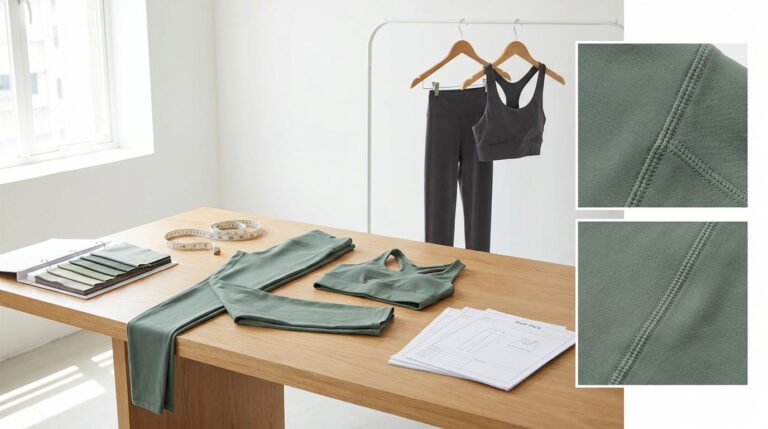
Typical sampling work includes sourcing fabric and trims, cutting individual panels, setting up appropriate stitching operations, and assembling the garment.
Unlike bulk production, sample technicians may need to resolve construction issues while making only one piece.
Inspection and Measurement
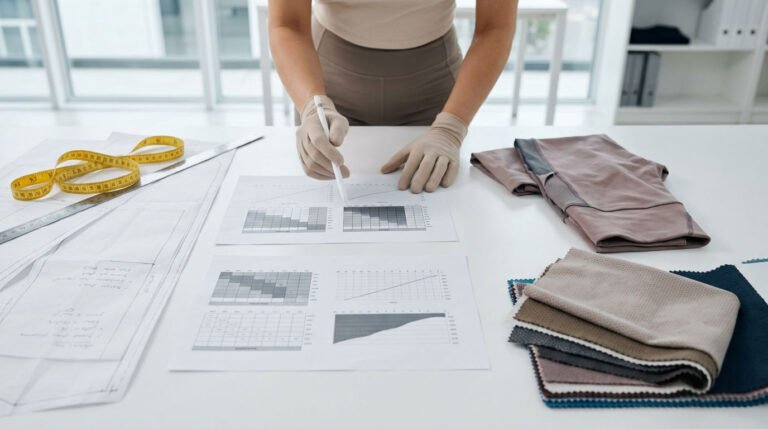
Basic sample checks usually cover agreed measurements, visible workmanship, seam construction, and key design details.
Extensive laboratory testing or independent certification should not be assumed to be included.
Sample Fee Inclusions Checklist
| Cost Component | Typical Quotation Treatment |
|---|---|
| Standard fabric and trims | Often included |
| Individual cutting and sewing | Usually included |
| Basic sample inspection | Usually included |
| New pattern development | Included or separately charged |
| Full size grading | May be separate |
| Specialty fabric or custom color development | Often additional |
| Special branding setup | May be separate |
| Extra sizes or colorways | Often additional |
| International shipping | Often separate |
These are common quotation arrangements, not guaranteed supplier policies.
Buyer tip: Request written confirmation of included and excluded services before paying.
Key 2: Why Does an Activewear Sample Cost More Than Bulk Production?
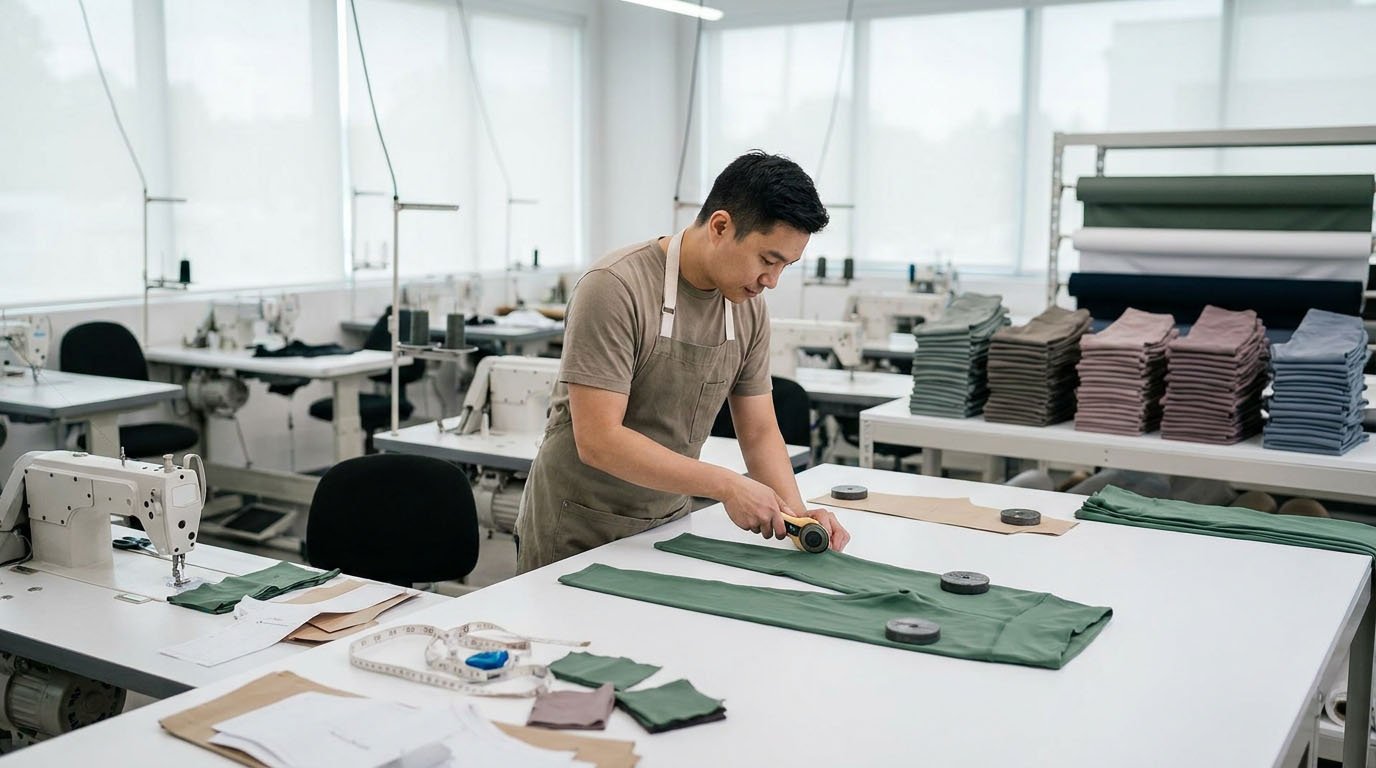
Sampling is less efficient than bulk production because development work is concentrated into very few garments.
Bulk manufacturing repeats approved operations across many pieces. Sampling involves preparation, machine adjustments, and technical problem-solving.
Sample Room vs. Bulk Production
| Factor | Sample Development | Bulk Production |
|---|---|---|
| Pattern | Created or adjusted | Approved pattern reused |
| Cutting | Individual pieces | Repeated cutting |
| Machine setup | Adjusted for sample requirements | Reused across production |
| Sewing | Skilled troubleshooting | Standardized operations |
| Cost allocation | Spread across few garments | Spread across many garments |
For example, leggings with a shaped waistband, gusset, and flat seams may require testing stitch compatibility and fabric stretch before the construction is approved.
Once the design is finalized, bulk production becomes more repeatable.
A higher sample fee does not automatically guarantee better quality. However, an unusually low quote may exclude development services included by another supplier.
Key 3: What Makes Custom Activewear Samples More Expensive?
Four factors commonly influence activewear sample costs.
1. Pattern and Construction Complexity
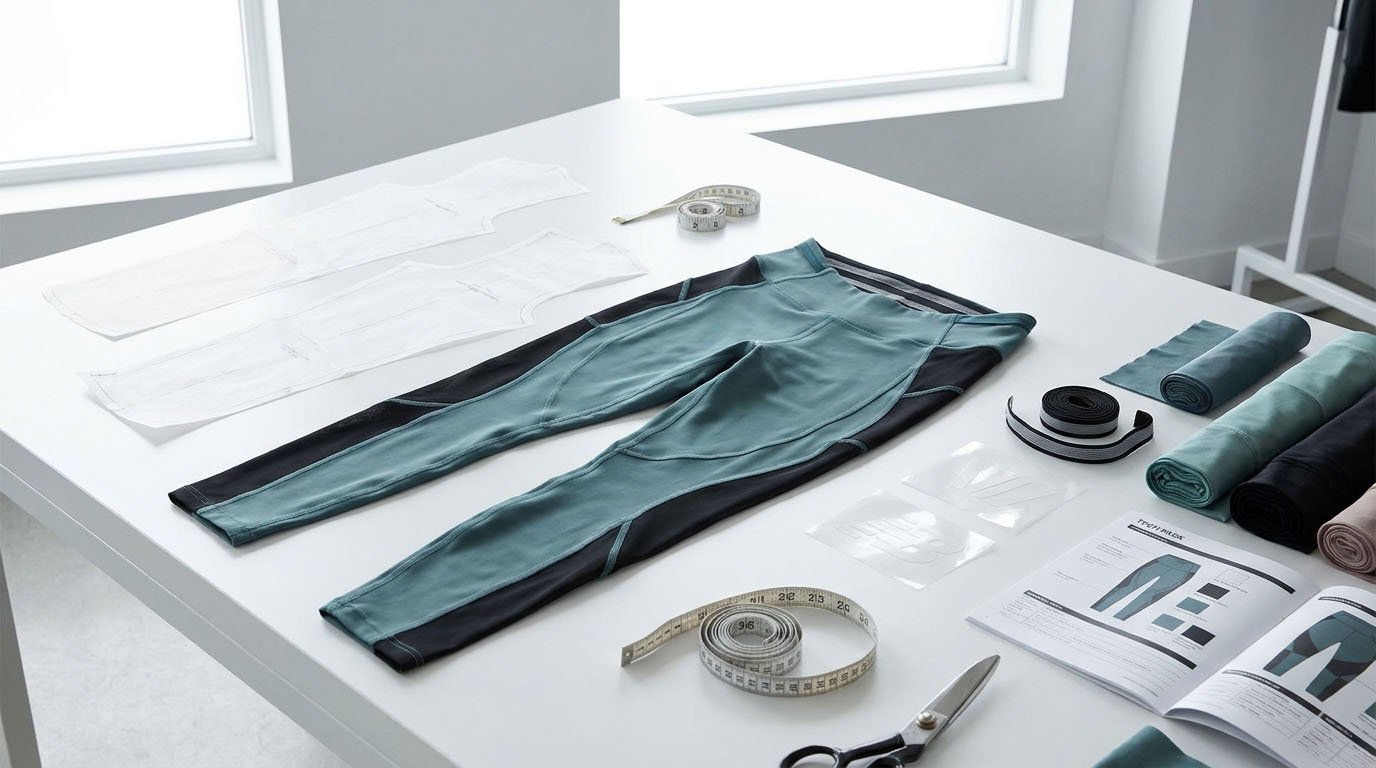
Additional panels, curved seams, pockets, gussets, and structured waistbands can increase pattern work, cutting, and sewing time.
A basic legging design generally requires less development than compression tights with multiple panels, bonded details, or specialized support features.
2. Fabric and Trim Requirements
Available stock fabrics are often easier to source in small quantities than custom-developed materials.
Costs may increase when your design requires:
- Specific compression, stretch, or recovery properties.
- Custom colors or specialty fabric finishes.
- Unusual elastics, mesh, or molded components.
- Small-quantity purchases subject to supplier minimums.
Wearzio's fabric sourcing service helps brands evaluate suitable materials before garment development.
3. Branding and Special Processes
Embroidery, screen printing, heat transfers, reflective graphics, laser cutting, or bonded construction may require separate setup or trials.
Not every process requires physical tooling. Ask the manufacturer which preparation costs are included in the quotation.
4. Tech Pack Readiness
Clear specifications help manufacturers estimate development work more accurately.
Incomplete measurements, fabric requirements, or construction instructions can create additional clarification and revision work.
A useful tech pack should define the garment's design, materials, measurements, construction, and branding.
For document preparation, refer to our Activewear Tech Pack Guide.
Key 4: Which Sample Costs Are Charged Separately?
One common budgeting mistake is assuming the sample fee includes every development expense.
A supplier may quote a low base price while excluding pattern development, special branding, or delivery.
Example: Custom Leggings Sample Quotation
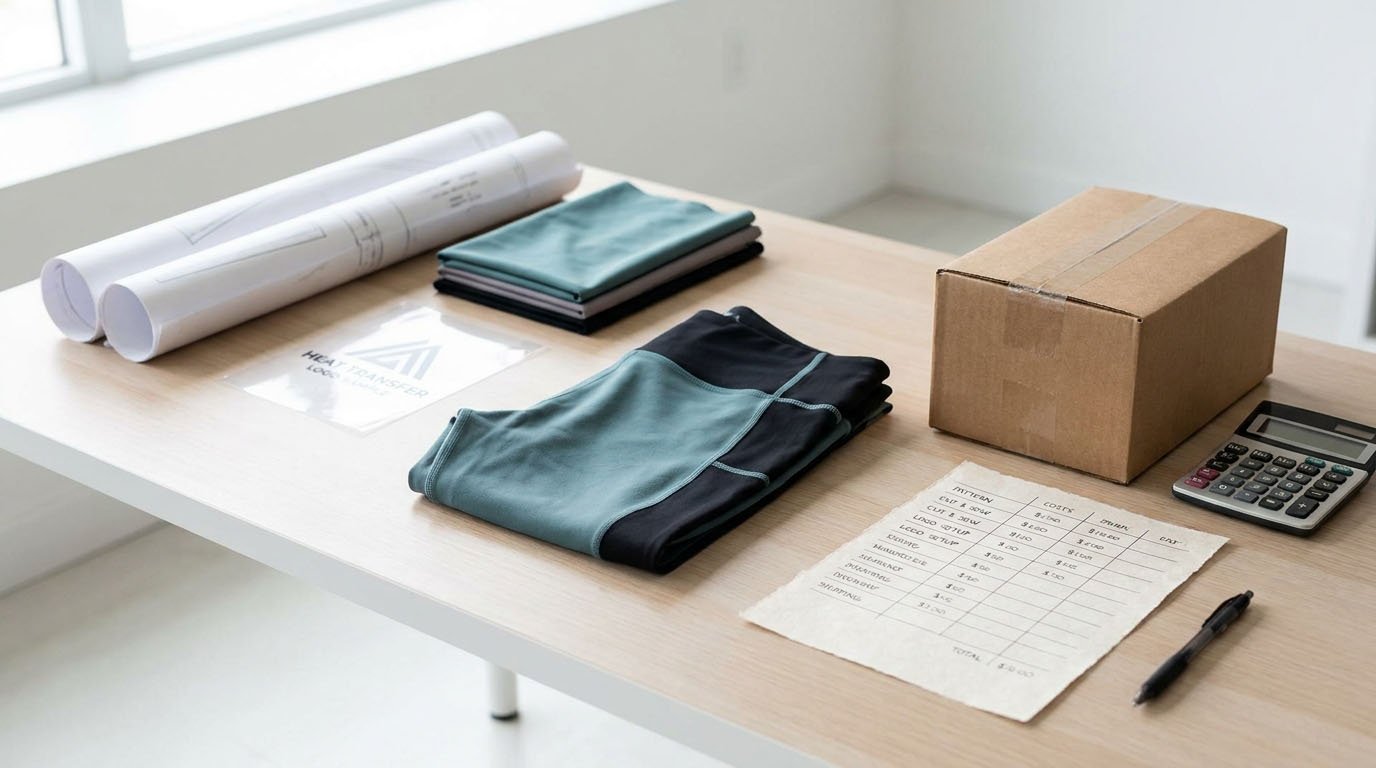
The following hypothetical example illustrates how separate charges affect a development budget.
These are example calculations, not actual Wearzio prices.
| Quotation Item | Example Cost (USD) |
|---|---|
| First leggings sample: fabric, trims, cutting, sewing, and basic inspection | $95 |
| New pattern development | $65 |
| Custom heat-transfer logo setup | $20 |
| International sample shipping | $30 |
| Initial Project Total | $210 |
Although the physical sample costs $95, the complete example project totals $210.
If the buyer subsequently requests a redesigned waistband and the manufacturer quotes an additional $75 for resampling, the overall development expense becomes $285.
This does not mean every project incurs these charges. The purpose is to show why sample garment price and total sample development cost are different.
Questions to Ask Before Paying
Confirm the following with your manufacturer:
- Does the fee include new pattern development?
- Are fabric, trims, and logo setup included?
- Will additional sizes or colorways cost extra?
- How are factory errors and buyer-requested revisions charged?
- Is international shipping included?
- Can any sample fees be credited toward bulk production?
Ask for a revised written quotation if the scope is unclear.
Key 5: Who Pays for Sample Revisions, and Can Fees Be Credited?
Sample revisions are normal, but responsibility depends on why the change is necessary.
The most important distinction is between a manufacturer's failure to meet agreed specifications and a buyer's new design request.
Factory Errors vs. Buyer Design Changes
| Revision Situation | Recommended Responsibility |
|---|---|
| Sample does not meet approved measurements | Manufacturer correction under agreed terms |
| Incorrect logo placement | Manufacturer correction under agreed terms |
| Workmanship defect | Manufacturer correction under agreed terms |
| Buyer changes waistband height | Additional buyer cost may apply |
| Buyer changes approved fabric | Additional sourcing or sampling fee may apply |
| Buyer requests another size or colorway | Usually separately quoted |
For example, if a finished sample falls outside the agreed measurement tolerance, the supplier should normally correct the nonconformity according to the contract.
However, changing an approved waistband design may require new pattern work and another sample.
Agree on revision responsibilities before sampling begins, especially where the original specifications leave room for interpretation.
Can Activewear Sample Fees Be Refunded?
Some manufacturers provide full or partial sample fee credits when a customer places a qualifying bulk order.
These credits are commercial arrangements, not automatic entitlements.
Check whether the credit:
- Requires a minimum order quantity or value.
- Applies to the full fee or only selected charges.
- Requires production of the same approved style.
- Excludes shipping, tooling, or third-party expenses.
- Has a deadline or other conditions.
Do not assume sample fees will automatically be deducted from your first bulk order.
For the broader development and approval workflow, see our Activewear Sampling Process Guide.
Key 6: How Can Brands Reduce Activewear Sample Costs?
Reducing sampling expenses should not mean skipping essential development checks.
The goal is to avoid unnecessary revisions while protecting product quality.
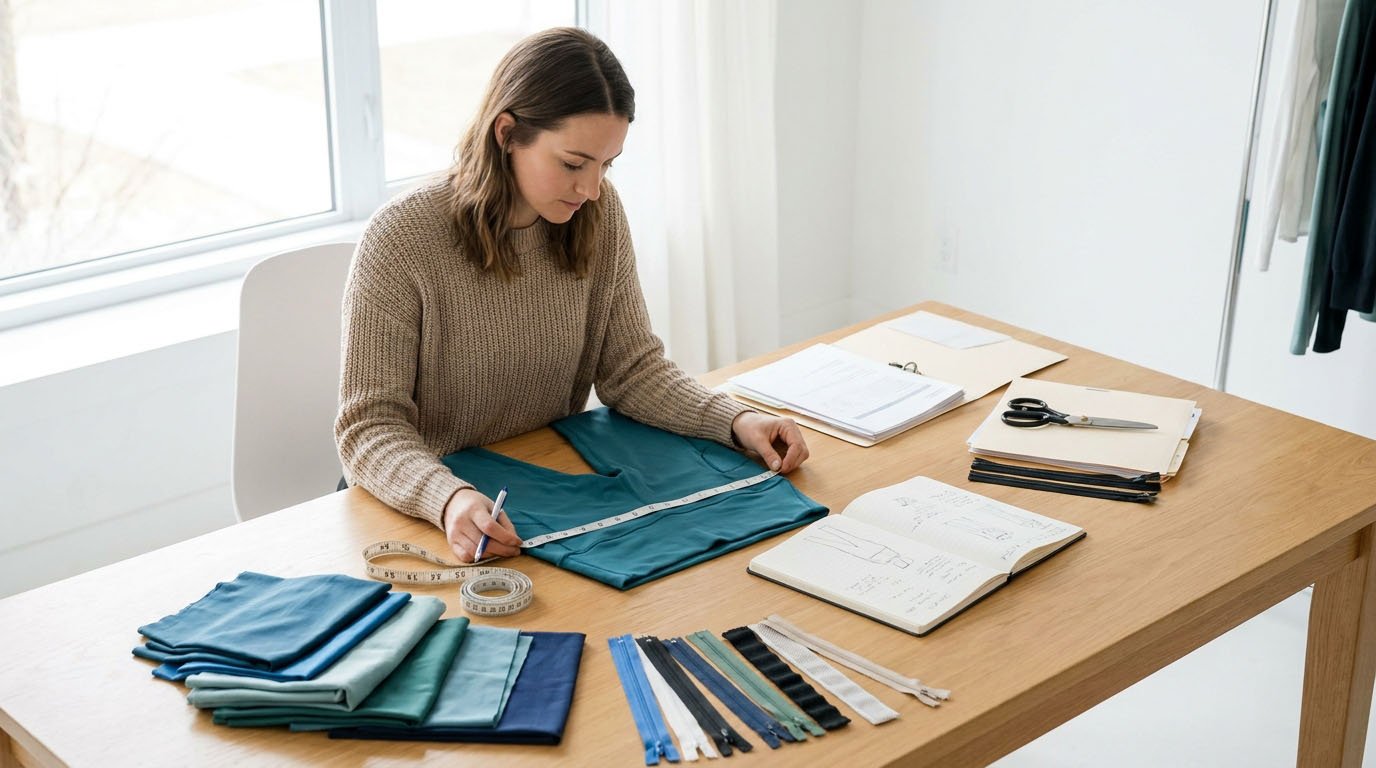
1. Finalize Critical Specifications
Confirm fabric requirements, garment construction, key measurements, and branding before sampling.
Major design changes after approval often require additional development work.
2. Consider Available Fabrics
Using suitable stock fabrics can reduce small-quantity sourcing difficulties.
Custom colors or finishes may still be worthwhile, but their development costs should be evaluated separately.
3. Start With One Core Size and Colorway
An initial prototype can often focus on one representative size and colorway before broader size development.
Additional size and production approvals remain necessary where applicable.
4. Approve Materials Before Sewing
Where practical, review fabric swatches and critical trims before completing a garment sample.
Changing an unsuitable fabric after sewing may increase development costs.
5. Track Changes and Fees
Maintain a simple revision record showing what changed, who requested it, and whether additional charges were approved.
6. Budget Beyond the First Sample
Include possible revisions, additional development services, and shipping in your initial budget.
A clear scope and reasonable contingency are more useful than assuming one sample will resolve every design issue.
Frequently Asked Questions
How much does an activewear sample typically cost?
A basic first prototype may fall within an illustrative $50–$180 planning range. Complex construction, new patterns, special materials, branding, and delivery can increase the total.
Is a sample fee the same as a pattern development fee?
Not necessarily. The sample fee may cover garment production, while new pattern creation or technical development may be included or charged separately.
Are activewear sample revisions free?
Not always. Factory errors should be addressed according to agreed specifications and contractual terms. Buyer-requested design changes may incur additional charges.
Can sample fees be deducted from bulk orders?
Some manufacturers offer full or partial credits for qualifying orders. Confirm the eligible amount, order requirements, and exclusions in writing.
Does a higher sample fee guarantee better quality?
No. Price reflects the quoted development scope, not necessarily manufacturing skill. Evaluate sample workmanship, specification compliance, and supplier communication.
Conclusion: Compare Sample Scope, Not Just Sample Price
An activewear sample fee is a product-development expense, not simply the price of one garment.
The cost depends on pattern work, materials, construction complexity, customization, and the services included in the quotation.
Before approving payment, confirm what is included, which charges are separate, how revisions will be handled, and whether sample fees can be credited toward bulk production.
Planning a custom activewear project?
Wearzio supports activewear brands with OEM/ODM development, fabric sourcing, sampling, and manufacturing.
Contact Wearzio to share your design, technical requirements, and estimated order quantity for a project-specific sampling quotation.