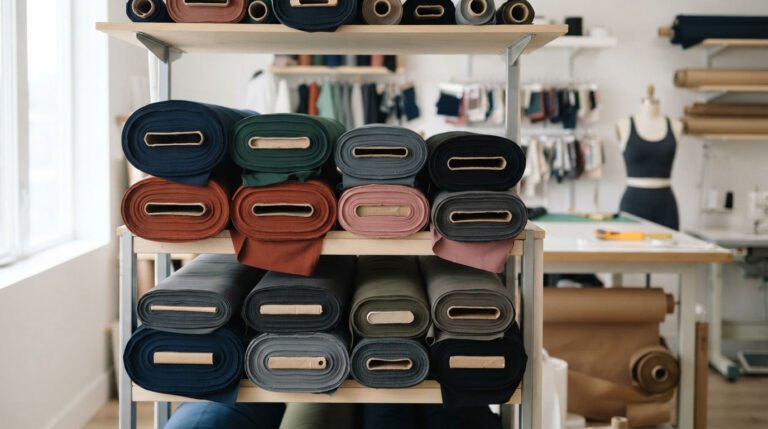
Choosing the wrong rayon fabric can lead to shrinkage, poor fit, color changes, and costly production delays. A fabric that looks and feels perfect during sampling may behave differently after washing or bulk manufacturing.
Rayon is a regenerated cellulose fiber known for its softness, moisture absorption, and fluid drape. For fashion brands, choosing the right rayon means understanding its fiber type, fabric construction, garment application, and performance after washing—not judging it by handfeel alone.
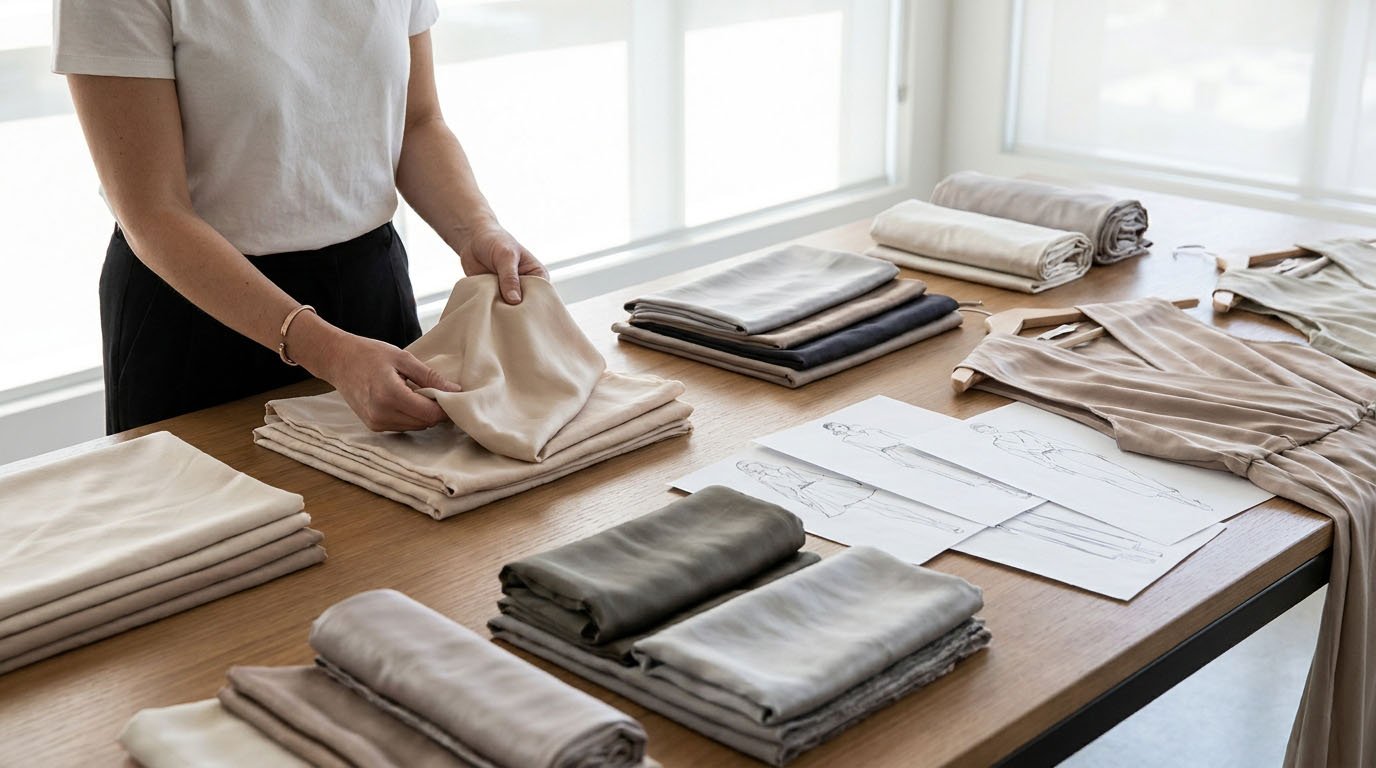
This guide explains the main types of rayon, how to select them for different garments, and what to verify before approving a fabric for bulk production.
Quick Answers: What Should Fashion Brands Know About Rayon?
Rayon is not a single fabric with identical performance characteristics. Viscose, modal, and lyocell are different types of regenerated cellulose fibers, and their properties depend on fiber quality, fabric construction, and finishing.
| Question | Quick Answer |
|---|---|
| What is rayon? | A regenerated cellulose fiber commonly made from wood pulp |
| Main types? | Viscose, modal, and lyocell |
| Best applications? | Dresses, blouses, casualwear, and selected knit garments |
| Does it shrink? | It can, depending on construction, finishing, and washing |
| Is it suitable for activewear? | Selected blends may work, but performance must be tested |
| Is it sustainable? | Not automatically; sourcing and processing matter |
| What should buyers check? | Composition, GSM, construction, shrinkage, and colorfastness |
The key is to match the fabric to the product and verify its actual performance before production.
What Is Rayon Fabric?
Rayon is a manufactured fiber made by regenerating cellulose into textile fibers. The cellulose commonly comes from wood pulp, although other suitable sources may be used.
Rayon can provide a soft handfeel, moisture absorption, and fluid drape. However, its performance varies considerably between fiber types and fabric constructions.
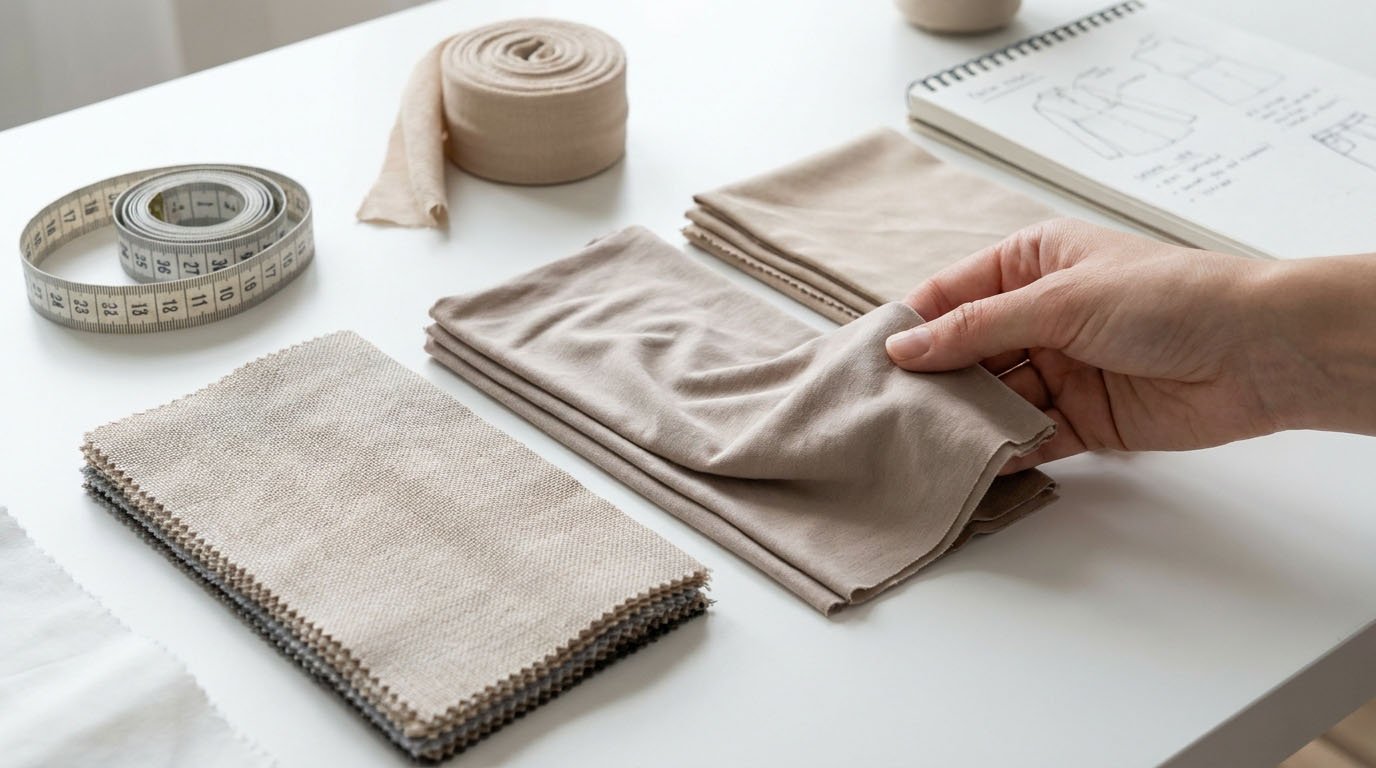
Why the Fiber Name Is Not Enough
Two fabrics labeled rayon may behave differently during wear, washing, and manufacturing.
A lightweight woven viscose may offer excellent drape but need careful shrinkage and seam-stability control. A modal jersey may suit soft casualwear, while a lyocell blend may be appropriate for a premium garment with different durability requirements.
Before selecting a fabric, request:
- Exact fiber composition and blend percentages.
- Fabric construction, such as woven, single jersey, or interlock.
- Fabric weight in grams per square meter (GSM).
- Finishing and pretreatment details.
- Relevant test results and recommended care instructions.
What Are the Main Types of Rayon Fabric?
Viscose, modal, and lyocell are the three main types fashion brands should understand. Their properties overlap, so none should automatically be considered best for every garment.
1. Viscose Rayon
Viscose is widely used in woven and knitted apparel for its soft handfeel, fluid drape, and ability to produce rich colors.
Common applications: Dresses, blouses, lightweight shirts, skirts, and relaxed trousers.
What buyers should check: Some viscose fabrics can shrink, distort, or lose strength when wet. Verify washing performance, dimensional stability, and seam stability for the specific fabric rather than assuming all viscose behaves alike.
2. Modal
Modal is a type of regenerated cellulose fiber associated with higher wet modulus properties than conventional viscose. Actual performance still depends on fiber grade, construction, and finishing.
Common applications: Soft T-shirts, casual knitwear, loungewear, underwear, and selected base layers.
What buyers should check: Evaluate softness after washing, dimensional stability, pilling, and shape retention. If the garment needs stretch, confirm that the knit structure and elastane content provide adequate recovery.
3. Lyocell
Lyocell is produced through a direct-solvent process that regenerates cellulose into fibers. Some commercial production systems recover and reuse processing solvents.
Common applications: Premium shirts, dresses, relaxed trousers, casualwear, and selected fabric blends.
What buyers should check: Evaluate washing performance, abrasion, surface appearance, and finishing requirements. Some lyocell fabrics may develop fibrillation under wet friction.
Lyocell is a generic fiber category, while TENCEL™ is a brand name. Verify branded fiber claims through appropriate supplier documentation.
How Do Viscose, Modal, and Lyocell Compare?
| Factor | Viscose | Modal | Lyocell |
|---|---|---|---|
| Typical appeal | Softness and fluid drape | Softness and comfort | Smooth handfeel and drape |
| Common applications | Dresses and blouses | Casual knits and loungewear | Premium shirts and dresses |
| Main considerations | Wet performance and shrinkage | Washing durability and shape retention | Fibrillation and surface finish |
| Selection method | Test the specific fabric | Test the specific fabric | Test the specific fabric |
Use this comparison as a starting point, then confirm the actual fabric specifications and test results.
What Are the Advantages and Limitations of Rayon?
Rayon works well when its characteristics match the product. Problems arise when brands focus on softness without considering wear, washing, and manufacturing requirements.
Key Advantages
- Soft handfeel: Many rayon fabrics feel smooth and comfortable against the skin.
- Fluid drape: Suitable for flowing silhouettes and relaxed garments.
- Moisture absorption: Can contribute to comfort in appropriate applications.
- Versatile appearance: Different constructions, dyes, prints, and finishes create a wide range of styles.
Key Limitations
- Dimensional changes: Some fabrics shrink or distort after washing.
- Wet performance: Conventional viscose can lose considerable strength when wet.
- Wrinkling and care: Certain rayon garments require more careful laundering.
- Construction risks: Lightweight wovens may experience seam slippage, while some knits may develop pilling or twisting.
These risks do not make rayon unsuitable. They mean brands should test the properties that matter for their intended garments.
How Should Brands Choose Rayon for Different Garments?
Start with the garment's intended use rather than selecting a fiber based on feel alone. Consider silhouette, stretch, recovery, durability, washing requirements, and target price.
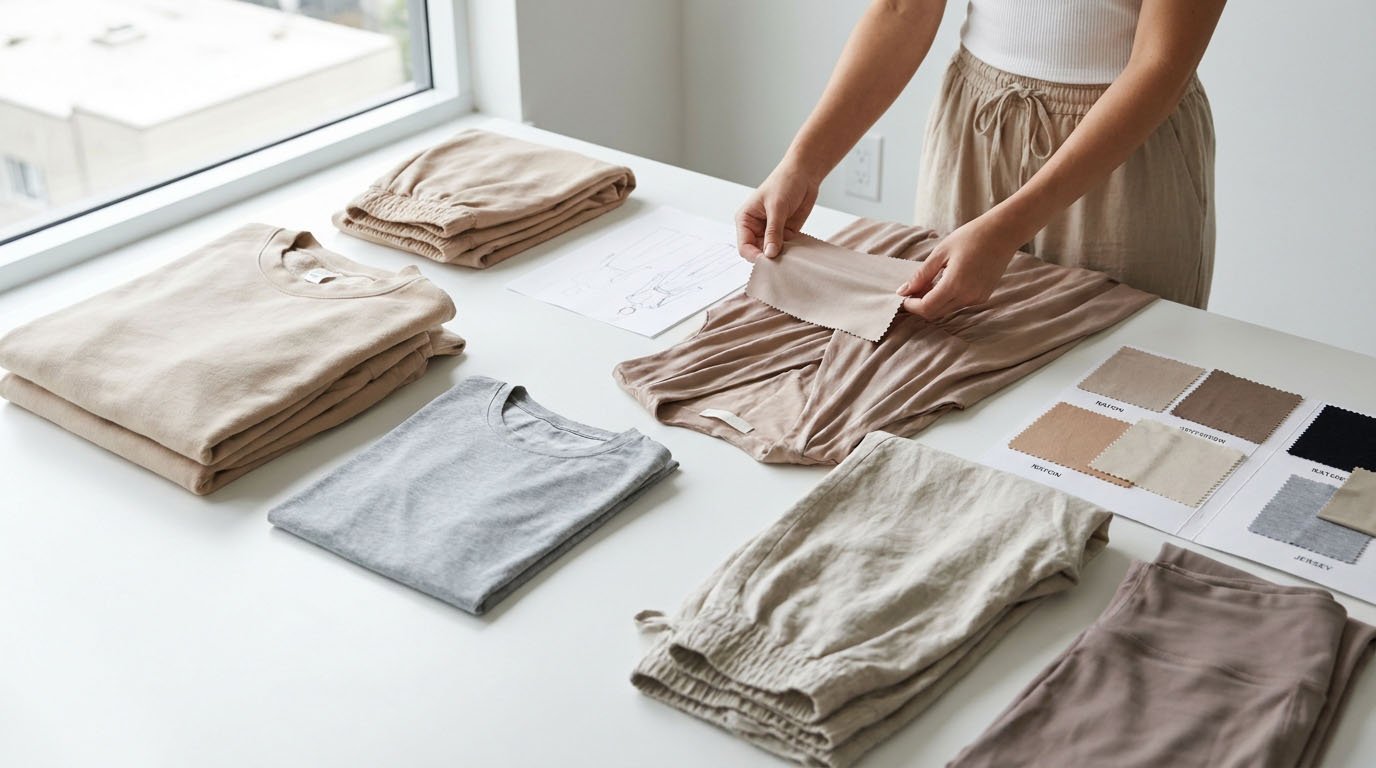
Rayon Selection by Product Category
| Garment Category | Potential Fabric Choice | What to Verify |
|---|---|---|
| Dresses and blouses | Viscose or lyocell woven | Drape, shrinkage, seam stability |
| Casual T-shirts | Modal or rayon-blend jersey | Softness, pilling, washing performance |
| Loungewear | Modal or viscose blends | Comfort and shape retention |
| Relaxed trousers | Woven rayon or lyocell blends | Seam strength and dimensional stability |
| Yoga and light athleisure | Selected rayon or modal blends with elastane | Stretch, recovery, and durability |
| High-intensity activewear | Purpose-designed performance fabrics | Moisture management, recovery, and abrasion resistance |
These are starting points, not fixed rules. Final selection depends on the specific fabric and product requirements.
Is Rayon Suitable for Activewear?
Rayon can work in selected comfort-focused activewear and athleisure products, but pure rayon is not automatically suitable for high-intensity exercise.
Products that require repeated stretching, fast drying, and strong shape retention may need polyester, nylon, elastane, or other performance fibers. Rayon or modal blends may suit certain yoga tops, lounge sets, and light-activity garments when testing confirms adequate performance.
Adding elastane alone does not guarantee durability or recovery.
For more information about elastic fibers, see Wearzio's guide to what spandex is made of and why it stretches.
What Quality Checks Should You Complete Before Ordering Rayon?
A successful sample does not guarantee that bulk fabric will perform consistently. Differences in production lots, dyeing, finishing, and garment construction can affect the final result.
Before bulk cutting, agree on the required tests and acceptance criteria with your supplier.
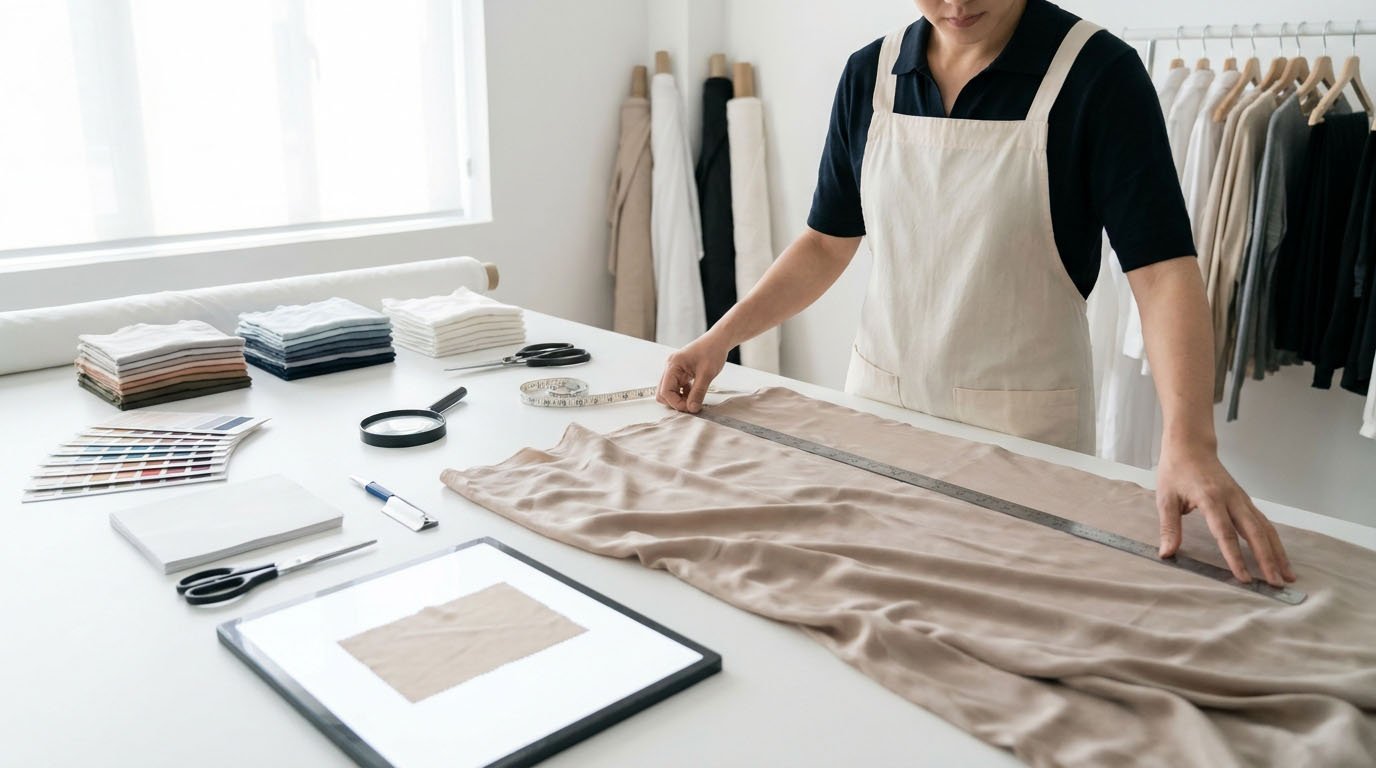
1. Check Dimensional Stability and Shrinkage
Evaluate how the fabric changes after an agreed washing and drying procedure.
AATCC TM135 evaluates fabric dimensional changes after home laundering, while ISO 6330 specifies domestic washing and drying procedures. Select the appropriate method and conditions for the product.
Confirm:
- Washing temperature, drying method, and number of cycles.
- Changes in fabric length and width.
- Acceptable dimensional change for the finished garment.
- Whether pretreatment or finishing adjustments are needed.
Do not apply one universal shrinkage limit to every rayon product. Set tolerances according to garment construction, sizing requirements, and care instructions.
2. Test Colorfastness
Depending on the dye system and finishing, rayon garments may experience color transfer or shade changes.
Evaluate relevant properties, including:
- Colorfastness to washing.
- Wet and dry rubbing, where applicable.
- Colorfastness to perspiration for suitable garment applications.
- Shade consistency between approved samples and bulk production.
Establish the required test grades before production, paying particular attention to dark colors, prints, and contrasting panels.
3. Evaluate Seam and Surface Stability
Some lightweight woven rayon fabrics are vulnerable to yarn movement under seam stress. Certain knits may twist, pill, or distort after laundering.
Check:
- Seam slippage and seam appearance.
- Stitch damage and puckering.
- Knit spirality and garment twisting.
- Pilling, abrasion, and surface changes.
- Fibrillation where relevant to lyocell fabrics.
Select test methods and acceptance criteria according to the actual fabric construction and intended use.
4. Approve the Actual Fabric and Pre-Production Sample
Before releasing bulk production:
- Confirm fiber composition, construction, GSM, color, and finish.
- Compare the bulk fabric lot with the approved reference.
- Review test results against agreed acceptance criteria.
- Inspect a pre-production garment where necessary.
- Confirm that care instructions match the fabric's tested behavior.
For broader product specification requirements, use Wearzio's Activewear Tech Pack Guide. That guide covers the wider product documentation process, while this article focuses on rayon material selection and performance.
How Should Brands Evaluate Rayon Sourcing and Sustainability?
Fabric selection also involves availability, cost, and supply-chain verification. A fabric that performs well during sampling may still be difficult to replenish consistently.
Confirm MOQ, Availability, and Lead Time
Ask whether the proposed fabric is stocked or requires a custom production run. This affects minimum order quantities, dyeing requirements, sampling schedules, and bulk delivery.
Confirm:
- Stock availability and custom-color requirements.
- Fabric and color-specific MOQ.
- Sampling and bulk production schedules.
- Reorder availability and lot consistency.
There is no universal MOQ or lead time for rayon. Requirements depend on the mill, fabric construction, color, quantity, and customization level.
For help coordinating material selection and development, see Wearzio's Fabric Sourcing service.
Verify Sustainability Claims
Plant-derived cellulose does not automatically make a fabric environmentally preferable. Raw material sourcing, processing, chemical management, and traceability all matter.
| What to Verify | Why It Matters |
|---|---|
| Fiber identity and composition | Confirms the material used |
| Raw material sourcing | Helps establish cellulose origin |
| Processing information | Clarifies how the fiber was manufactured |
| Applicable certificates | Supports specific claims within their scope |
| Supplier documentation | Connects claims to the purchased material |
For example, FSC documentation may support relevant forest-sourcing claims, while OEKO-TEX® STANDARD 100 addresses tested harmful substances within its scope. These are different forms of evidence and should not be treated as interchangeable proof of overall sustainability.
Verify the specific supplier's claims and documentation before using environmental claims in product marketing.
Frequently Asked Questions About Rayon Fabric
Is Rayon a Natural or Synthetic Fabric?
Rayon is generally described as a regenerated cellulose or semi-synthetic fiber. Its cellulose feedstock is plant-derived, but it undergoes industrial processing to become textile fiber.
Does Rayon Fabric Shrink After Washing?
It can. Shrinkage depends on fiber type, construction, finishing, garment manufacturing, and washing conditions. Request dimensional stability results for the actual fabric.
Which Is Better: Rayon, Modal, or Lyocell?
None is universally best. Viscose may suit fluid woven garments, modal is often used for soft casual knits, and lyocell can work well in premium apparel. Compare the specific fabric's performance, price, and care requirements.
What Should I Ask a Supplier Before Ordering Rayon?
Request fiber composition, construction, GSM, finishing details, available colors, MOQ, lead time, and relevant test reports. For bulk orders, also confirm the approved reference and how changes between fabric lots will be handled.
Conclusion: Choose Rayon by Performance, Not Just Feel
Rayon offers fashion brands softness, fluid drape, and material versatility. Viscose, modal, and lyocell can serve different product needs, but their names alone do not guarantee the required performance.
Before ordering, match the fabric to the garment, verify washing and durability characteristics, review supplier documentation, and approve the material against clear specifications.
Wearzio supports apparel brands with fabric sourcing, product development, and OEM/ODM manufacturing services to help turn material choices into production-ready garments.