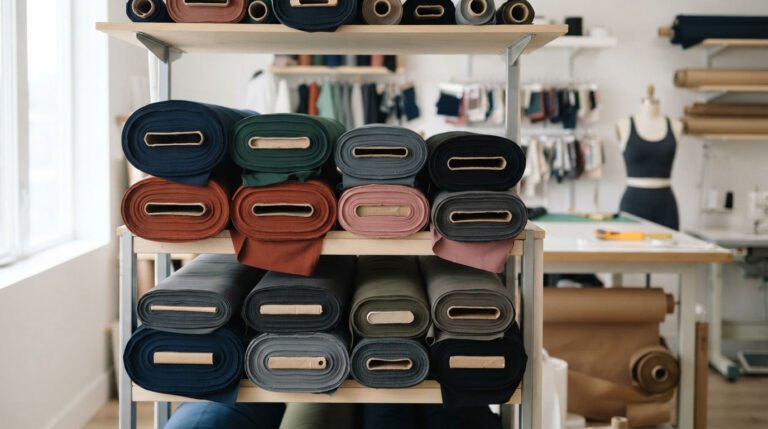
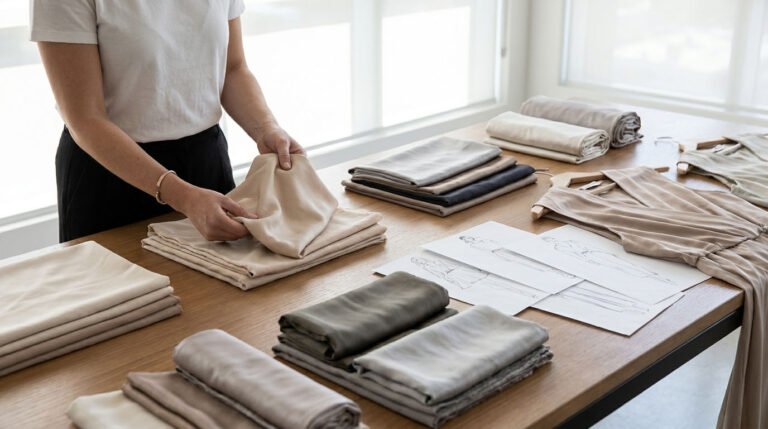
Choosing the wrong fabric can increase production costs, delay your launch, and create quality problems after bulk manufacturing. A material that feels perfect in a sample may shrink, wrinkle, or perform differently at scale.
The main natural fabrics used in clothing manufacturing include cotton, linen, hemp, ramie, wool, silk, cashmere, alpaca, and mohair. Bamboo-derived viscose is another popular natural-origin option, although it is a regenerated fiber rather than a conventional natural fiber. The best choice depends on garment use, fabric construction, cost, and production requirements.
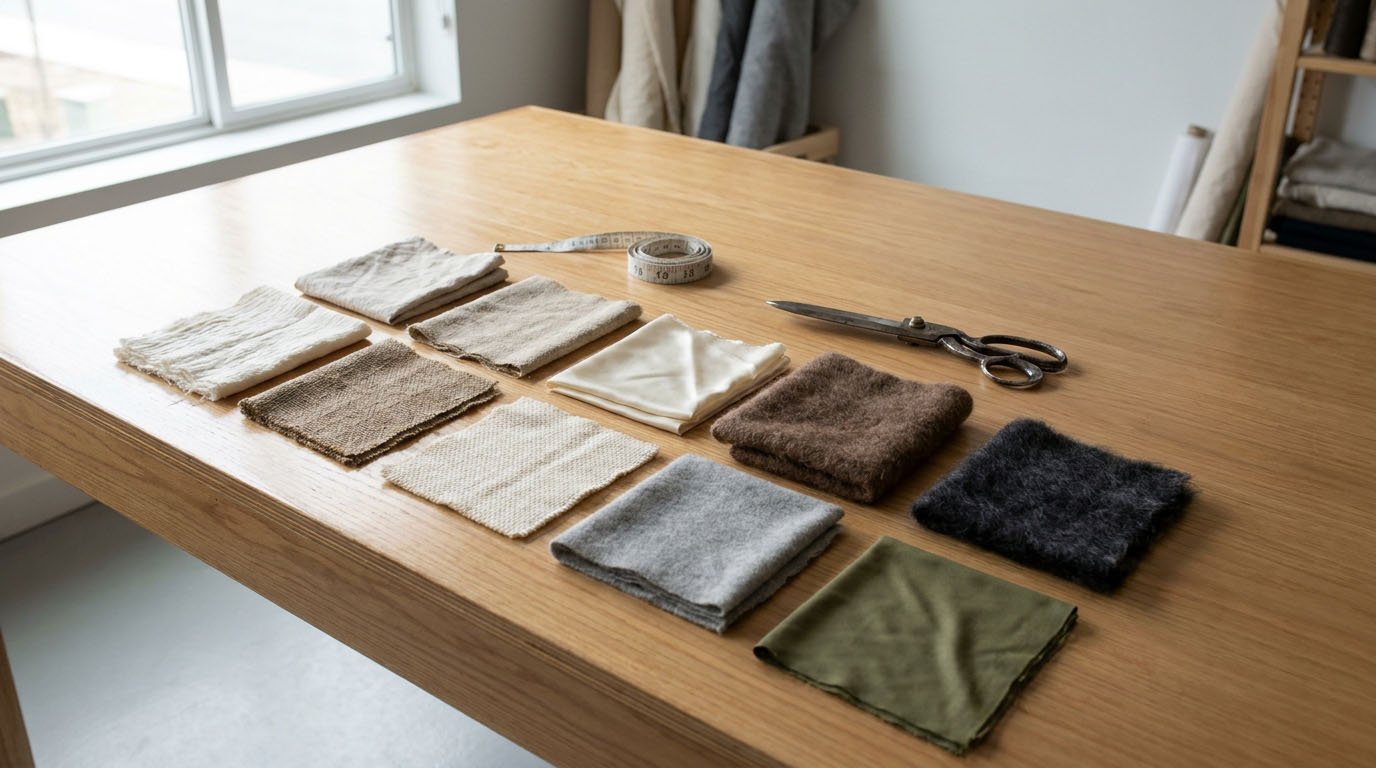
For apparel brands, fabric selection goes beyond softness and appearance. Fiber composition, GSM, finishing, shrinkage, and supply consistency all influence the finished garment.
This guide compares ten material options, their applications, and the sourcing checks that matter before bulk production.
Quick Guide: 10 Natural Fabric Options at a Glance
Start with this comparison before requesting swatches or developing samples.
| Fabric | Best Applications | Key Advantages | Main Limitations |
|---|---|---|---|
| Cotton | T-shirts, shirts, casualwear | Comfortable, versatile, widely available | Shrinkage, wrinkles, slow drying |
| Linen | Summer shirts, trousers, dresses | Breathable constructions, natural texture | Wrinkling, slubs, seam stability |
| Hemp | Casualwear, overshirts, durable garments | Strength, distinctive texture | Initial stiffness, finishing requirements |
| Ramie | Structured shirts, blouses, blends | Luster, crispness, strength | Brittleness, limited elasticity |
| Wool | Sweaters, coats, suiting | Warmth, resilience, versatility | Felting, shrinkage, care requirements |
| Silk | Dresses, blouses, linings | Luster, fluid drape | Snagging, delicate handling |
| Cashmere | Premium knitwear, scarves | Softness, warmth | High cost, pilling |
| Alpaca | Sweaters, warm outerwear | Insulation, distinctive texture | Stretch, shedding |
| Mohair | Specialty knitwear, tailoring | Luster, resilience | Prickle, shedding |
| Bamboo-derived viscose | Soft tops, dresses, loungewear | Soft hand feel, fluid drape | Labeling, shrinkage, processing concerns |
Important: The first nine are natural fibers. Bamboo-derived viscose is regenerated cellulose. Organic cotton is a category of cotton, while blends are combinations of fibers—not separate natural fiber types.
How Should You Choose Natural Fabrics for Clothing Manufacturing?
A popular fiber is not necessarily suitable for every product. Evaluate the intended garment, fabric construction, and sourcing requirements before making a decision.
1. Match the Fabric to Your Garment
Different garments demand different properties:
- T-shirts and casual tops: Cotton provides familiar comfort and broad availability.
- Summer clothing: Linen and selected hemp blends offer lightweight, textured options.
- Premium knitwear: Wool, cashmere, and alpaca offer different combinations of warmth and softness.
- Dresses and blouses: Silk and lightweight natural fabrics provide different drape and appearance options.
- Performance activewear: Stretch recovery, opacity, moisture management, and durability often take priority over natural fiber content.
For performance products, read our guide on choosing the right fabric for gym wear.
2. Check Construction, Weight, and Finishing
Fiber composition alone cannot predict garment performance.
A cotton jersey behaves differently from cotton twill. Similarly, a lightweight wool knit performs differently from a tightly woven wool fabric.
Check the weave or knit structure, target GSM, yarn construction, fabric finish, and intended care requirements.
GSM measures fabric weight, not overall quality. Choose it according to garment design and expected performance.
3. Consider Cost and Supply Stability
Material availability, minimum order quantities, and repeat-order consistency can affect your production schedule.
Premium or specialty fibers may introduce higher costs and additional sourcing requirements. Ask suppliers about fabric stock, custom dyeing, minimum quantities, and future availability before confirming your collection.
Plant-Based Natural Fabrics: Cotton, Linen, Hemp, and Ramie
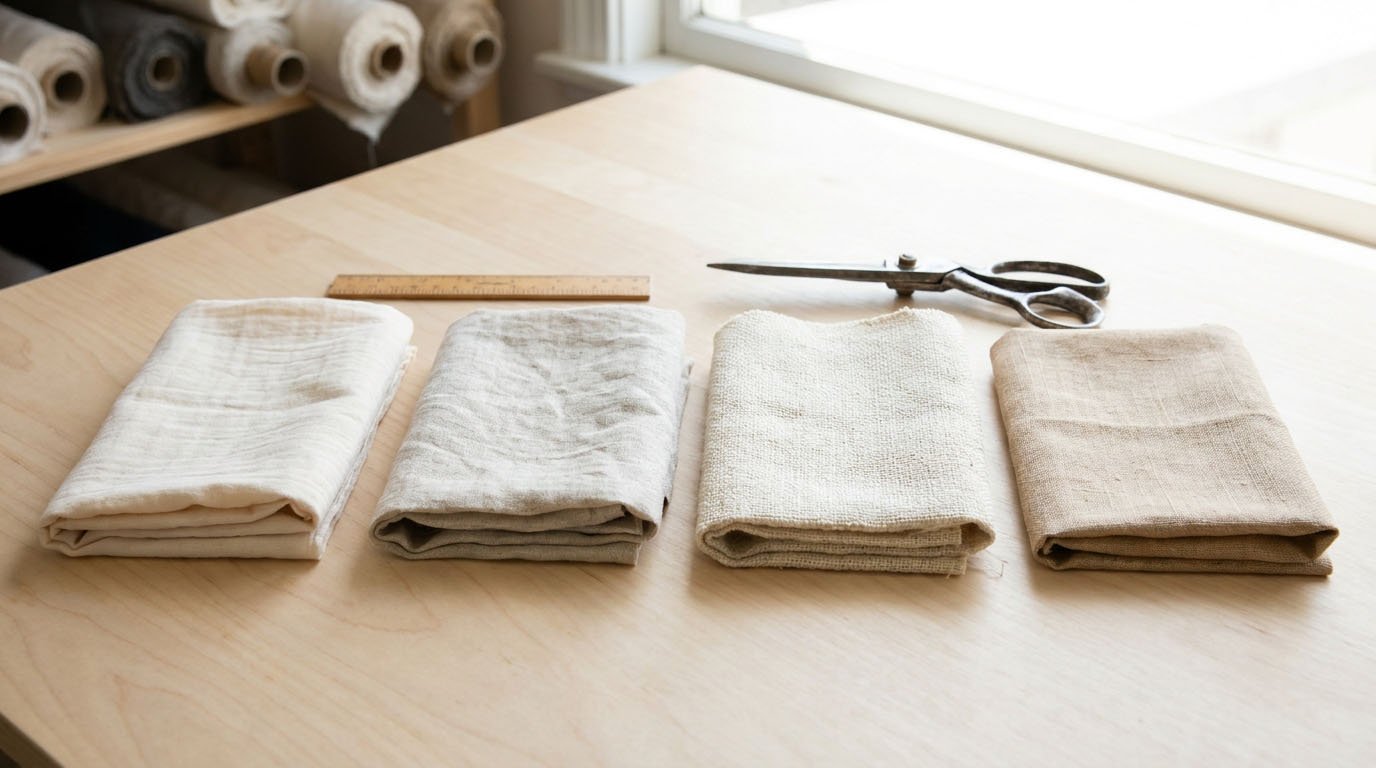
Plant-based fibers are common in casualwear, summer clothing, and structured garments. Their performance depends on fiber quality, yarn construction, and finishing.
1. Cotton: Versatile for Everyday Apparel
Cotton is widely used in T-shirts, shirts, underwear, and casual clothing.
Advantages: Comfortable hand feel, good moisture absorption, broad availability, and compatibility with many dyeing and printing methods.
Production limitations: Cotton can shrink, wrinkle, or develop pilling depending on its fiber quality, construction, and finishing. It also retains moisture, making some pure-cotton fabrics less suitable for high-sweat sportswear.
Sourcing check: Specify cotton type, yarn construction, GSM, shrinkage tolerance, and colorfastness requirements. Compare finished fabric samples rather than relying only on fiber descriptions.
2. Linen: Ideal for Summer and Resort Wear
Made from flax, linen is popular for summer shirts, relaxed trousers, dresses, and resort collections.
Advantages: Breathable constructions, distinctive natural texture, and a crisp appearance.
Production limitations: Linen wrinkles easily and may contain visible slubs. Fabric construction can also affect seam stability and sewing performance.
Sourcing check: Confirm fabric weight, weave, acceptable texture variation, finishing, and wash shrinkage. Establish appearance standards before bulk production.
3. Hemp: Strength with a Distinctive Texture
Hemp is used in casualwear, overshirts, trousers, and selected durable garments.
Advantages: Good tensile properties in suitable constructions, distinctive texture, and applications requiring a structured appearance.
Production limitations: Some hemp fabrics feel stiff or coarse before finishing. Availability and consistency vary by supplier.
Sourcing check: Review the finished hand feel, construction, blend ratio, and washing performance. Hemp-cotton blends may improve softness while retaining some of hemp's characteristics.
4. Ramie: Luster and Structure
Ramie is a plant-based bast fiber often used in summer shirts, blouses, and blended fabrics.
Advantages: Natural luster, crispness, and useful strength characteristics.
Production limitations: Ramie has limited elasticity and can be brittle under certain conditions.
Sourcing check: Evaluate flexibility, seam performance, washing behavior, and finishing. Ramie blends may provide a softer feel than 100% ramie, depending on construction.
Animal-Based Natural Fabrics for Premium Clothing
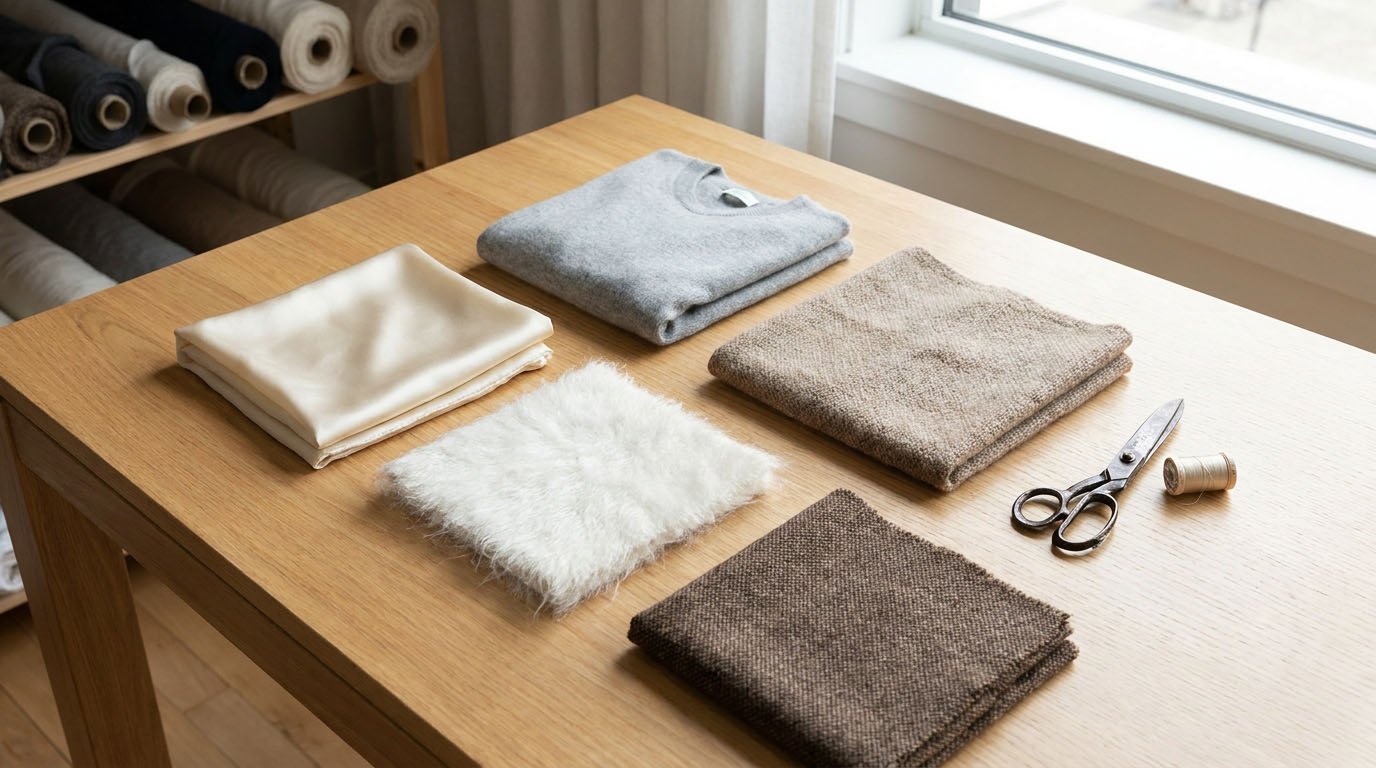
Animal-derived fibers are commonly used in knitwear, outerwear, tailoring, and luxury garments. Fiber grade and fabric construction strongly influence their performance.
5. Wool: Warmth and Versatility
Wool is used in sweaters, coats, base layers, and tailored clothing.
Advantages: Warmth, natural resilience, and versatility across knitted and woven constructions.
Production limitations: Wool may shrink or felt when washed improperly. Fiber fineness affects softness and comfort.
Sourcing check: Confirm fiber grade, fabric construction, finishing, and care requirements. Machine-washable wool should be tested using the intended laundering conditions.
6. Silk: Fluid Drape and Natural Luster
Silk is commonly used in dresses, blouses, scarves, and premium linings.
Advantages: Smooth surface, distinctive sheen, and fluid drape.
Production limitations: Delicate silk fabrics may snag, develop water marks, or show sewing defects.
Sourcing check: Specify silk type, construction, fabric weight or momme where applicable, and care requirements. Approve the actual fabric and sewing method before production.
7. Cashmere: Softness for Luxury Knitwear
Cashmere is valued for its softness and warmth. It is often used in premium sweaters, scarves, and coats.
Advantages: Soft hand feel, excellent warmth in suitable constructions, and luxury appeal.
Production limitations: Cashmere is relatively expensive and can develop pilling. Quality varies with fiber characteristics, yarn construction, and finishing.
Sourcing check: Verify fiber composition, supplier documentation, yarn construction, and surface performance after wear or washing tests.
8. Alpaca: Warmth and Distinctive Texture
Alpaca is used in sweaters, scarves, and warm outerwear.
Advantages: Good insulation, distinctive texture, and softness depending on fiber grade.
Production limitations: Some alpaca garments may stretch under their own weight or shed fibers.
Sourcing check: Evaluate knit density, yarn construction, garment weight, and shape retention after washing and hanging.
9. Mohair: Luster and Specialty Knitwear
Mohair comes from Angora goats and is used in textured sweaters, specialty knitwear, and selected tailoring fabrics.
Advantages: Natural luster, resilience, and a distinctive appearance.
Production limitations: Depending on fiber grade and finishing, mohair may feel prickly or shed.
Sourcing check: Confirm fiber content, yarn construction, shedding behavior, and skin comfort. Test blends where improved softness or stability is required.
10. Bamboo-Derived Viscose: A Popular Natural-Origin Option
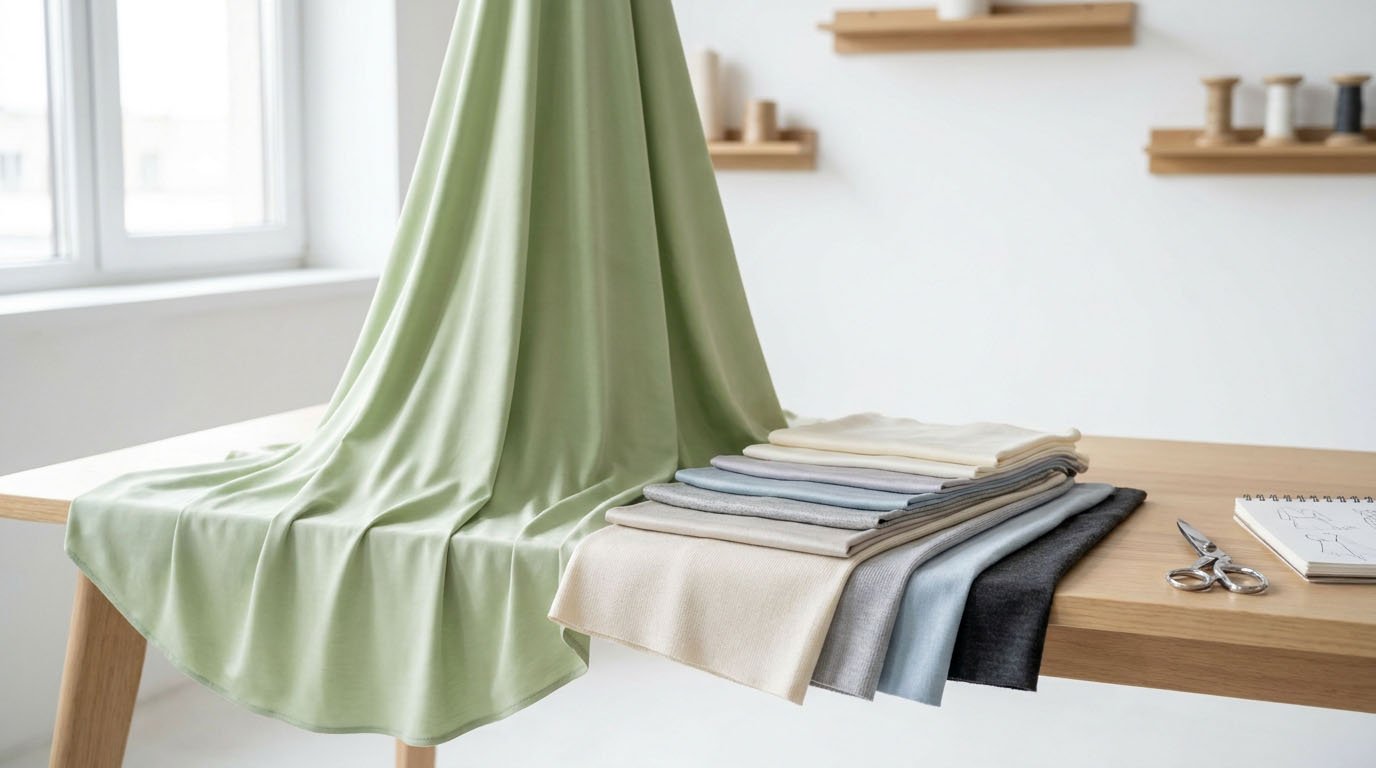
Bamboo-derived viscose is commonly used in soft tops, dresses, and loungewear.
However, it is important to distinguish natural bamboo fiber from regenerated cellulose.
Most soft clothing fabrics marketed as bamboo are produced by converting bamboo-derived cellulose into viscose or rayon. They are not the same as mechanically extracted bamboo fibers.
According to the US Federal Trade Commission's bamboo textile guidance, regenerated fabrics should be identified using the appropriate fiber name, such as rayon or viscose made from bamboo.
Advantages: Soft hand feel, fluid drape, and suitability for selected lightweight garments.
Production limitations: Shrinkage, wet strength, and care performance depend on the fabric construction and finishing. Natural-origin claims do not automatically establish environmental benefits.
Sourcing check: Verify the fiber classification, composition, GSM, dimensional stability, care performance, and documentation supporting environmental claims.
What Should You Specify Before Ordering Natural Fabrics?
A fiber name alone is not a complete purchasing specification. Define the following requirements before sampling or placing a bulk order.
| Specification | What to Confirm |
|---|---|
| Fiber composition | Exact fiber names and percentages |
| Fabric construction | Weave or knit type, relevant yarn details |
| Fabric weight | Target GSM and agreed tolerance |
| Fabric width | Usable width and cutting requirements |
| Finishing | Pre-shrinking, softening, brushing, or other treatments |
| Shrinkage | Acceptable dimensional change under agreed testing |
| Colorfastness | Requirements for washing, rubbing, or other relevant exposure |
| Appearance | Acceptable texture, pilling, and shade variation |
| Supply | MOQ, lead time, and repeat-order availability |
| Certification | Applicable certification and supporting documentation |
Requirements should match the garment's intended use. Avoid applying one universal shrinkage or colorfastness limit to every material.
If you are preparing manufacturing specifications, our Activewear Tech Pack Guide explains how to document fabric requirements before sampling.
How Can You Reduce Natural Fabric Risks During Bulk Production?
A successful sample does not guarantee identical results across every bulk fabric roll. Natural fiber variation, dyeing, and finishing processes can affect consistency.
1. Verify Shrinkage and Colorfastness
Test representative fabric samples using agreed methods before bulk cutting. Confirm dimensional stability and relevant washing, rubbing, or perspiration colorfastness requirements.
2. Control Color and Appearance
Compare bulk fabric against approved standards under consistent viewing conditions. Establish acceptable shade variation and avoid mixing incompatible dye lots within finished garments.
3. Check Fabric Relaxation and Sewing Conditions
Follow the supplier's fabric relaxation recommendations before cutting. Match needles, thread, and stitching methods to the selected construction to reduce sewing damage.
4. Confirm Repeat-Order Consistency
Keep records of the approved fiber composition, construction, finishing, color references, and test results. These records help identify changes between production batches.
If your fabric specifications are still undecided, Wearzio's fabric sourcing service can help you evaluate options for your product requirements.
Frequently Asked Questions
Are natural fabrics always more sustainable than synthetic fabrics?
No. Environmental impact depends on raw-material production, processing, dyeing, durability, and other lifecycle factors. Natural origin alone does not guarantee a lower environmental footprint.
Is organic cotton a separate natural fiber?
No. Organic cotton is cotton produced under applicable organic farming requirements. It remains cotton, but its production and certification conditions differ from conventional cotton.
Can natural fabric blends improve clothing performance?
Yes. Blending fibers can change softness, durability, stretch, cost, and appearance. However, performance depends on the exact composition and fabric construction. Always specify the fiber percentages.
What Is the Best Natural Fabric for Activewear?
There is no universal choice. Cotton can work well in lifestyle garments, while selected wool fabrics are useful for outdoor base layers. High-intensity performance apparel often requires engineered materials with suitable stretch, recovery, and moisture management.
What Should I Send a Manufacturer When Requesting Fabric Options?
Provide your garment type, intended use, preferred composition, target GSM, hand feel, color requirements, performance expectations, and estimated order quantity.
For more detailed quotation requirements, see What Information Should You Send an Activewear Manufacturer for a Quote?.
Conclusion: Choose Natural Fabrics by Application and Production Requirements
The best natural fabric for clothing manufacturing is not necessarily the most popular or expensive option. It is the material that fits your garment, customer expectations, budget, and production conditions.
Cotton and linen offer versatile everyday options, hemp and ramie provide distinctive plant-based characteristics, and animal fibers support different premium applications. Bamboo-derived viscose offers another material option when correctly classified and specified.
Before bulk production, confirm the fabric specification, test its performance, and verify supply consistency.
At Wearzio, we support apparel brands with material sourcing, product development, sampling, and OEM/ODM manufacturing. Contact our team to discuss your fabric requirements and clothing collection.