.png)
Finding the right manufacturing partner is stressful. A bad choice can ruin your brand with poor quality and missed deadlines. I will help you choose the right one.
To select the best sportswear manufacturer, you must evaluate their quality by checking samples and certifications. You also need to confirm their communication is clear and responsive. Finally, ensure their production capacity and Minimum Order Quantities (MOQs) align with your brand's current and future needs.
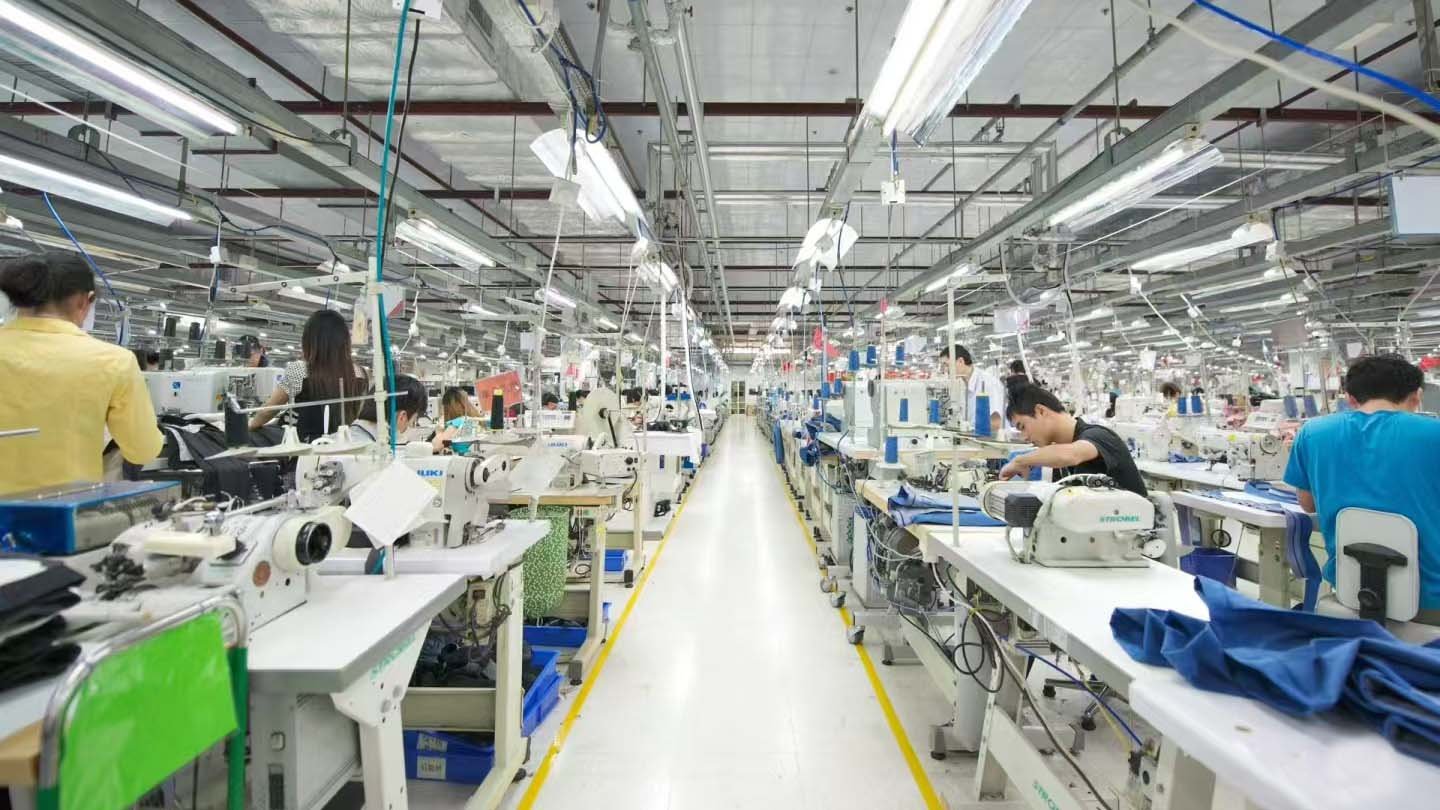
When I first started Wearzio, I was on the other side, working to meet the high standards of local brands. This taught me that manufacturing is about more than just sewing clothes; it is about building a trusted partnership. Many brand owners I meet feel overwhelmed by the selection process. They don't know what questions to ask or what red flags to look for. I want to share what I have learned over the years to make this process easier for you. Let’s break down the key areas you need to investigate.
How can you evaluate a manufacturer's quality and expertise?
Every manufacturer's website promises high quality. But how can you be sure they can deliver on that promise? Choosing based on a nice website can lead to disappointment and wasted money.
Evaluate a manufacturer's quality by requesting a physical sample. This lets you test their stitching, fabric quality, and fit. Also, ask about their previous work, client testimonials, and any quality certifications they hold, like ISO 9001. Their expertise shows in their work.
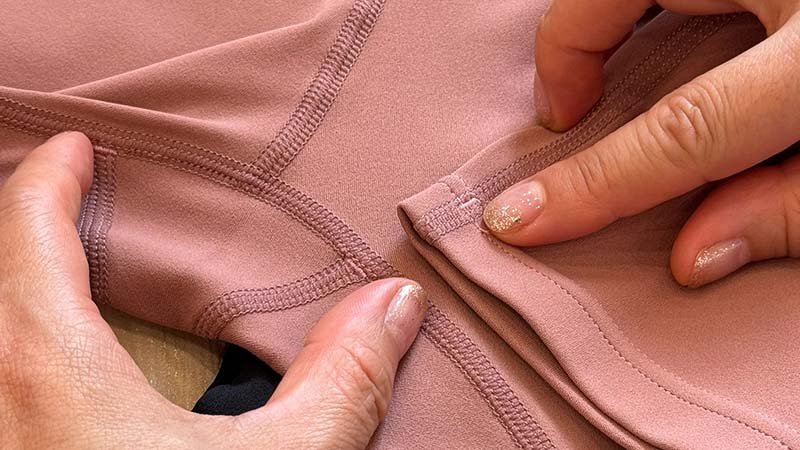
I believe a manufacturer is only as good as the garments they produce. Talk is cheap, but a well-made sample speaks for itself. It is a direct reflection of their skill, their machinery, and their attention to detail. I always tell new clients that the sample process is the most important part of our initial relationship. It is where we prove our capabilities and you confirm we are the right fit for your vision. Never commit to a large order without first holding a sample in your hands.
Look Beyond the Portfolio
A curated portfolio on a website is a good starting point, but you need to dig deeper. Ask about their experience with the specific type of activewear you want to create. Have they worked with high-stretch, moisture-wicking fabrics before? Can they handle complex designs with features like bonded seams or laser cutting? A truly experienced partner will be able to discuss these technical details with confidence and even offer suggestions to improve your design.
The Sample is Your Proof
The sample is your most valuable evaluation tool. When you receive it, do not just look at it. Examine it closely. Pull on the seams. Feel the fabric. Try it on for fit. Does it match the measurements in your tech pack? Is the logo placed correctly? This physical item tells you everything you need to know about their commitment to quality.
Here is a simple checklist for your sample evaluation:
| Feature to Check | What to Look For | Why It Matters |
|---|---|---|
| Stitching | Even, consistent, and flat. No loose threads. | Poor stitching is the first thing to fail during a workout. |
| Fabric Feel | Matches the swatch you approved. No pilling or defects. | The fabric is the core of performance. It must be right. |
| Fit and Sizing | Measurements match your tech pack specifications. | Inconsistent sizing leads to high customer return rates. |
| Print/Logo Quality | Sharp, centered, and durable. Try to scratch it lightly. | Your brand's logo must look professional and last through washes. |
Why is clear communication so important in manufacturing?
You send a detailed email with a question and get a one-word answer days later. This communication gap creates huge problems. Misunderstandings can lead to costly errors in your production run.
Clear communication prevents mistakes, saves time, and builds trust. Your manufacturer should provide regular updates, ask questions to clarify your tech pack, and have a designated contact person who understands your brand. Good communication ensures you are always on the same page.
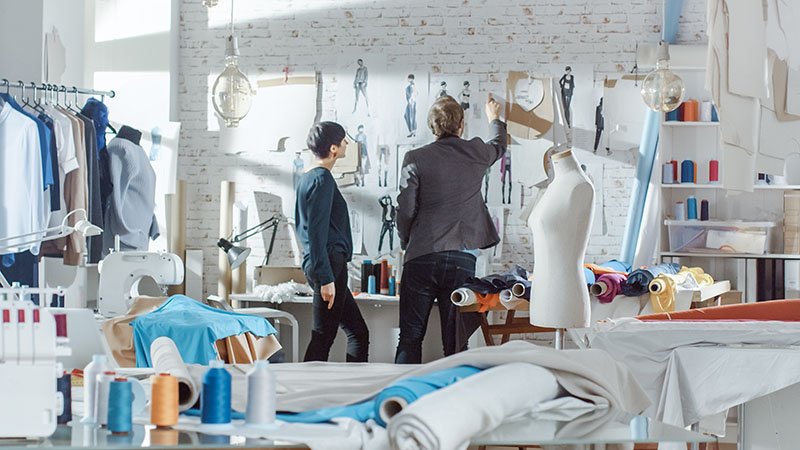
I have seen projects fail not because of a lack of skill, but because of a lack of communication. Turning a design into a finished product requires hundreds of small decisions. If we cannot communicate clearly, mistakes are almost certain to happen. That is why at Wearzio, we assign a dedicated account manager to each brand. This person becomes your partner. They learn your brand, understand your goals, and ensure your vision is perfectly translated to our production floor. A good manufacturing relationship is a dialogue, not a series of one-way commands.
Overcoming Barriers
When working with global manufacturers, language and time zone differences can be a challenge. A professional manufacturer has systems in place to manage this. They will have English-speaking staff and will commit to a specific response time, so you are not left waiting for days. They should also be willing to use different communication tools, like video calls, to discuss complex details and review samples together. This shows they are committed to understanding you.
Your Tech Pack is a Conversation Starter
A detailed tech pack is your primary communication tool. But a great manufacturer does not just follow it blindly. They review it, and if they see a potential problem or have a suggestion, they will reach out to you. For example, they might say, "The fabric you chose is great, but we have found that a different stitch type will improve its durability." This kind of proactive feedback is a sign of a true expert and a valuable partner.
Here are some signs of good versus bad communication:
| Good Communication | Bad Communication |
|---|---|
| Proactive with updates and potential issues. | You constantly have to chase them for information. |
| Asks clarifying questions about your tech pack. | Makes assumptions that lead to errors. |
| Confirms all changes in writing. | Relies on verbal agreements that get forgotten. |
| Provides a single, consistent point of contact. | You speak to a different person every time. |
What should you ask about production capacity and MOQs?
You find a factory that makes great samples, but their minimum order is 5,000 units. Or, they can handle your first small order, but can they grow with you? A mismatch in scale can stop your brand's growth.
Always ask for a manufacturer's Minimum Order Quantity (MOQ) per style and color. Also ask about their total monthly production capacity and their typical lead times. This ensures they can support your brand now and as you scale up your business in the future.
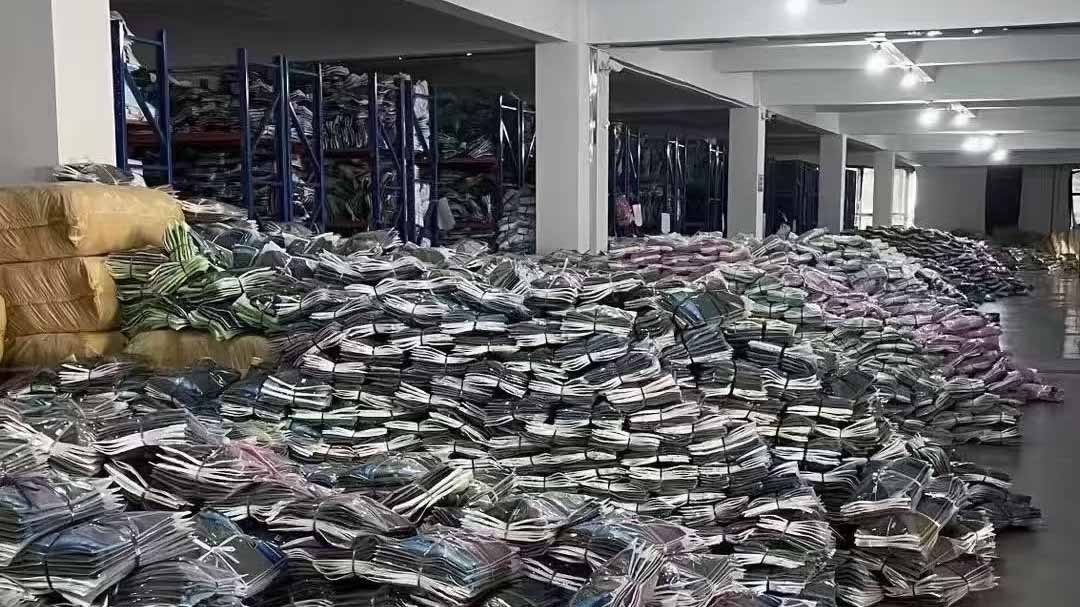
Balancing inventory is one of the hardest parts of running a fashion brand. I have seen founders tie up all their cash in excess stock because they met a high MOQ. I have also seen them sell out of a popular item and miss sales because their manufacturer was too slow to produce a reorder. Finding a partner whose production scale matches your business plan is critical. You need someone who offers a reasonable starting point but also has the factory space and workforce to handle your success.
Understanding MOQs
Factories have MOQs for good reasons. Fabric mills have minimums for producing a specific color. Setting up a production line for a new design takes time and labor. However, a good partner for a growing brand will offer some flexibility. They might have a lower MOQ for new clients or allow you to split the MOQ across a few different sizes. Do not be afraid to ask what is possible. The answer will tell you a lot about how much they value working with emerging brands.
Planning for Future Growth
While you are focused on your first order, you must also think about your hundredth. Ask a potential manufacturer about their ability to scale. How many pieces can they produce in a month? If your brand suddenly takes off, how quickly can they increase production for you? A partner invested in your long-term success will have clear answers to these questions. They should be able to show you a path from your small initial order to larger, more cost-effective production runs in the future.
Here are the key production questions you need to ask:
| Question | Why You Should Ask It | A Good Answer Looks Like... |
|---|---|---|
| What is your MOQ per style/color? | This determines if you can afford to launch with them. | "Our standard is 500 units, but for new partners, we can start at 300." |
| What is your monthly production capacity? | This tells you if they can handle your brand's growth. | "We currently produce 50,000 units per month and have room to expand." |
| What is the lead time for a sample? | A long sample time can signal overall slow production. | "A proto sample takes 7-14 days after we receive the tech pack." |
| What is the lead time for a bulk order? | You need this to plan your product launches and inventory. | "Bulk production is typically 30-45 days after sample approval." |
Conclusion
Choosing a manufacturer is choosing a partner for your brand. Look for proven quality, clear communication, and a production capacity that fits your growth plans. This ensures a strong foundation.