.png)
Staying ahead of trends is tough. A wrong bet can leave you with unsold inventory. I will show you what is coming next so you can design with confidence.
The top 2026 activewear trends include the rise of 'quiet luxury' with minimalist designs and a deep focus on sustainable materials. Another key trend is the demand for multi-functional apparel that transitions seamlessly from the gym to everyday life. These trends prioritize quality and versatility.
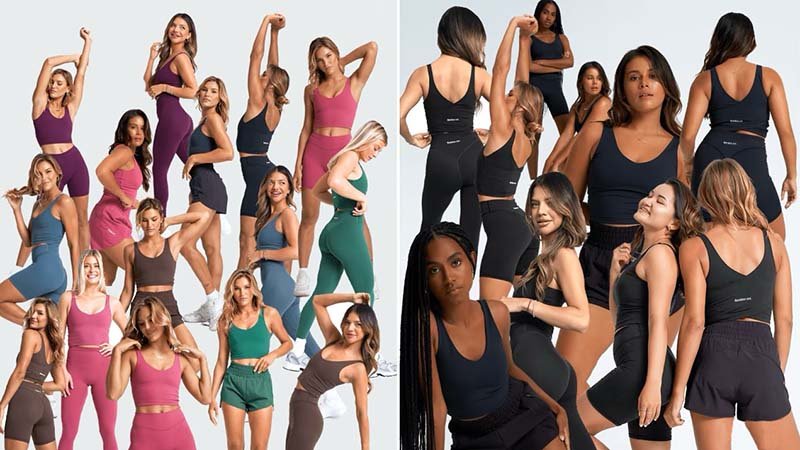
I have been in this industry for a long time, from my first sewing studio to running Wearzio today. I have seen countless trends cycle through. But the shifts we are seeing for 2026 feel different. They are less about fleeting colors and more about a fundamental change in what customers value. For a brand owner like you, understanding these deeper currents is the key to your success. Let's explore what this means for your next collection.
Will 'Quiet Luxury' Influence 2026 Activewear Designs?
Big logos and loud patterns can feel dated. Customers now want sophistication, but it is hard to stand out with a simple design. I will show you how to embrace this refined aesthetic.
Yes, 'quiet luxury' is a major influence. This trend focuses on premium materials, perfect tailoring, and subtle branding. Think tonal logos, bonded seams, and sophisticated textures. It communicates quality through craftsmanship, not just flashy designs, appealing to a more mature consumer.
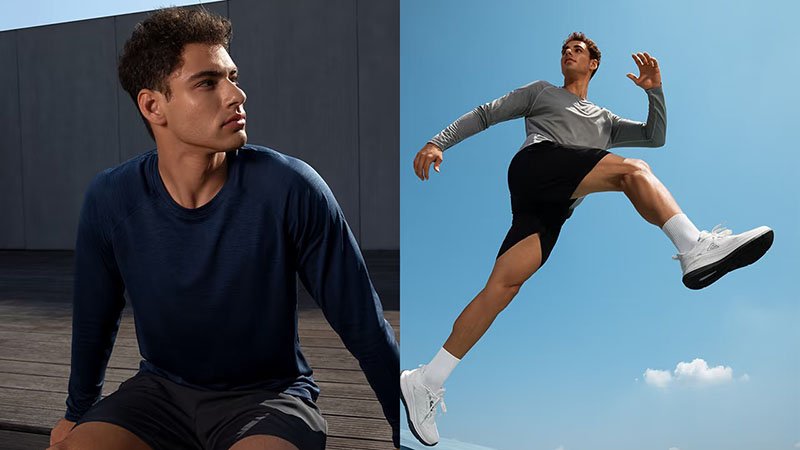
In my experience, the simplest designs are often the hardest to make well. When there are no loud patterns to hide behind, every single stitch and seam is visible. This is where true manufacturing expertise shows. 'Quiet luxury' is about investing in what the customer can feel—the softness of the fabric, the perfect fit, and the flawless construction. It is a statement of confidence in your product's quality. I have helped many brands achieve this look, and it always begins with an obsession over the details.
From Logos to Textures
The new status symbol is not a logo; it is the tactile quality of the garment. Customers are learning to recognize quality by feel. This means the texture of your fabric is a key design element. We are seeing a rise in demand for fabrics with inherent texture, like fine ribbed knits, micro-waffle patterns, and materials with a soft, peached finish. These textures add visual interest and a premium feel without shouting. They make a simple black legging feel special and expensive.
Precision in Construction
Minimalist design puts a spotlight on manufacturing skill. Details like bonded seams, which use heat and adhesive instead of thread, create an incredibly clean and modern look. Laser-cut ventilation patterns offer both function and a subtle design element. The perfection of a flatlock stitch, lying completely flat against the skin to prevent chafing, becomes a mark of quality. Not all factories have the specialized machinery or the skilled operators needed to execute these techniques perfectly.
| Element of Quiet Luxury | How to Implement It in Activewear | Manufacturing Tip |
|---|---|---|
| Subtle Branding | Tonal embroidery or heat-pressed logos in the same color. | Precision placement is critical. A slightly off-center logo on a minimal piece ruins the entire effect. |
| Premium Fabrics | High-end nylon/spandex blends, fine merino wool. | Source from reputable mills. The 'handfeel' is non-negotiable, so always test swatches thoroughly. |
| Elevated Construction | Bonded seams, laser-cut ventilation, clean finishes. | This requires specialized machinery. Ask potential partners for samples that show these techniques. |
| Sophisticated Color Palette | Earth tones, muted pastels, and rich neutrals. | Custom dyeing requires strict quality control to ensure color consistency across different production batches. |
How Are Sustainable Materials Shaping Future Sportswear?
Customers now demand eco-friendly products. But 'greenwashing' is a real risk that can damage your brand's trust. Let us explore real sustainable options that customers will appreciate.
Sustainable materials are becoming a core requirement. The focus is shifting to high-performance recycled fibers like rPET, bio-based fabrics from plants, and designing for circularity. These materials now offer top-tier performance, so there is no need to compromise function for sustainability.
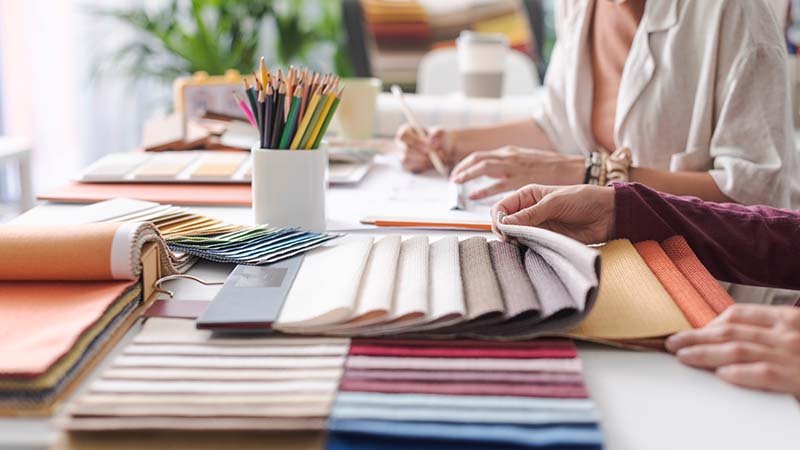
When I started, sustainability was a niche request. Now, it is part of almost every conversation I have with brand owners like you. The good news is that the technology has improved dramatically. Years ago, recycled fabrics felt rough and did not perform well. Today, a recycled polyester can feel just as soft and wick sweat just as effectively as its virgin counterpart. My role has evolved to help brands navigate this new landscape, sourcing materials that are both good for the planet and great for performance.
Beyond Recycled Polyester
Recycled polyester (rPET) from plastic bottles is a great start, but the innovation does not stop there. We are now seeing a new generation of high-performance materials. Recycled nylon, often branded as Econyl®, is made from waste like old fishing nets and offers incredible strength and smoothness, perfect for leggings and swimwear. We are also exploring bio-based fabrics. These are polymers made from renewable resources like corn, sugarcane, or castor beans, which reduces our reliance on fossil fuels. These new materials are pushing the boundaries of what sustainable activewear can do.
The Importance of Certifications
In a world of confusing claims, certifications are your proof. They provide third-party verification that a material is what it claims to be. When you see a certification like the Global Recycled Standard (GRS), you know the recycled content is traced and verified. Bluesign® and OEKO-TEX® certifications ensure that the fabric is made without harmful chemicals. Promoting these certifications to your customers builds trust and shows you are serious about sustainability.
| Sustainable Material | Source | Performance Benefit | What to Ask Your Manufacturer |
|---|---|---|---|
| Recycled Polyester (rPET) | PET plastic bottles | Durable, moisture-wicking, performance is on par with virgin polyester. | "Is the fabric GRS certified? What is the minimum order for custom colors?" |
| Recycled Nylon (Econyl®) | Fishing nets, industrial plastic | Very strong, smooth, great compression for swimwear and leggings. | "Can you source branded Econyl®? What is the cost difference?" |
| Bio-Based Polymers | Corn, sugarcane, castor beans | Reduces fossil fuel reliance, often soft and breathable. | "What is the durability and stretch recovery like compared to traditional fabrics?" |
| Tencel™ Lyocell | Sustainably sourced wood pulp | Extremely soft, breathable, naturally good for low-impact activities. | "Is it better for lifestyle pieces or can it be blended for performance wear?" |
Is Multi-Functional 'Lifestyle' Apparel the New Standard?
Your customer lives a busy life. They want clothes that can do it all, but creating a truly versatile piece is tricky. I will explain how to design for this new lifestyle.
Yes, multi-functional apparel is the new standard. Consumers want comfortable, stylish pieces they can wear for a workout, to run errands, or while working from home. The key is blending technical performance features with everyday aesthetics. This increases the value of each garment.
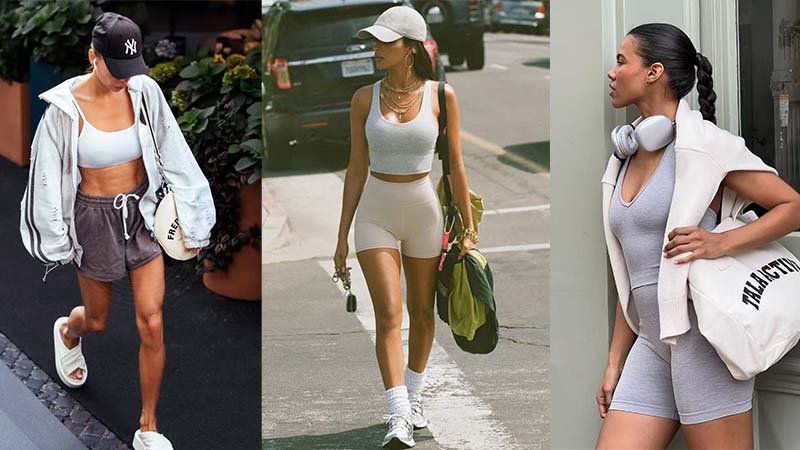
The line between workout clothes and everyday clothes has completely blurred. I see this in the designs brands bring to me every day. They are asking for a jogger that can handle a run but also looks sharp enough for a casual meeting. This shift is exciting, but it presents a new design challenge. A garment must perform on multiple levels. It has to be technically sound for athletic pursuits and aesthetically pleasing for daily life. As a manufacturer, this means we focus on creating pieces where function and fashion are perfectly balanced.
Designing for Comfort and Versatility
This trend is all about creating clothing for life's transitions. The design needs to be smart. Think about modern silhouettes like a tapered leg on a jogger, not a baggy sweatpant. Consider features like articulated knees that allow for a full range of motion but also create a structured, tailored look. Hidden, zippered pockets are another key feature. They secure valuables during a workout but maintain a clean, minimal look for everyday wear. The goal is to create a piece of clothing so comfortable and versatile that your customer reaches for it every single day.
Fabric is the Foundation
The success of a multi-functional garment always comes back to the fabric. The material must do double duty. It needs the four-way stretch and moisture-wicking properties of true activewear. However, it cannot look like shiny, old-school gym wear. The best fabrics for this trend have a matte finish, a soft feel, and a nice drape. We often work with advanced fabric blends that combine the performance of synthetics with the comfort of natural fibers, or we use technical fabrics with a sophisticated texture.
| Feature | Technical Need | Aesthetic Need | Example Garment |
|---|---|---|---|
| Versatile Fabric | 4-way stretch, moisture-wicking, wrinkle-resistant. | Soft handfeel, matte finish, good drape. | A commuter pant made from a technical stretch-woven fabric. |
| Smart Pockets | Zippers for security, enough space for a phone. | Hidden or bonded seams for a clean, bulk-free look. | A workout hoodie with a concealed phone pocket in the seam. |
| Modern Silhouette | Articulated knees for movement, gusset for flexibility. | Tapered leg, tailored fit, considered seam lines. | Joggers that are functional for a run but stylish for errands. |
| All-Day Freshness | Odor control via anti-microbial fabric treatment. | The garment stays fresh from morning to night. | A merino wool blend t-shirt that regulates temperature and resists odor. |
Conclusion
By 2026, successful activewear will blend quiet luxury, real sustainability, and multi-functional design. Focus on quality and versatility to build a brand that lasts and customers truly love.