.png)
Are you dreaming of launching your own sportswear line but feel overwhelmed by the process? Many entrepreneurs have a great vision but get stuck on the execution. I understand.
To launch your first sportswear line, you must follow a clear path: define your niche, create detailed designs, select high-performance fabrics, find a reliable manufacturer with flexible MOQs, approve samples meticulously, and then manage production before finally launching your brand to the market.
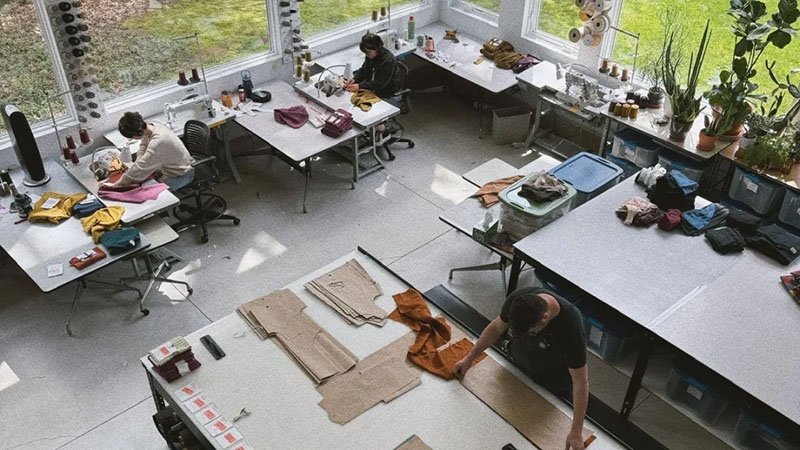
Starting your own apparel brand is a journey, not a race. I have seen countless creative people, just like you, turn their ideas into successful businesses. It all begins with a solid plan. Each step in this guide is a building block for your brand's future. Getting these early stages right will save you from costly mistakes down the road and set you up for long-term success. Let us walk through this process together.
How Do You Define Your Niche and Design Your First Collection?
Do you have a general idea for a sportswear brand but struggle to make it concrete? A vague concept can lead to products that nobody wants, wasting your time and money.
First, you must define your target customer and research your competitors to find a unique space in the market. Then, create detailed technical packs (tech packs) for your designs. This ensures your manufacturing partner understands your vision perfectly.
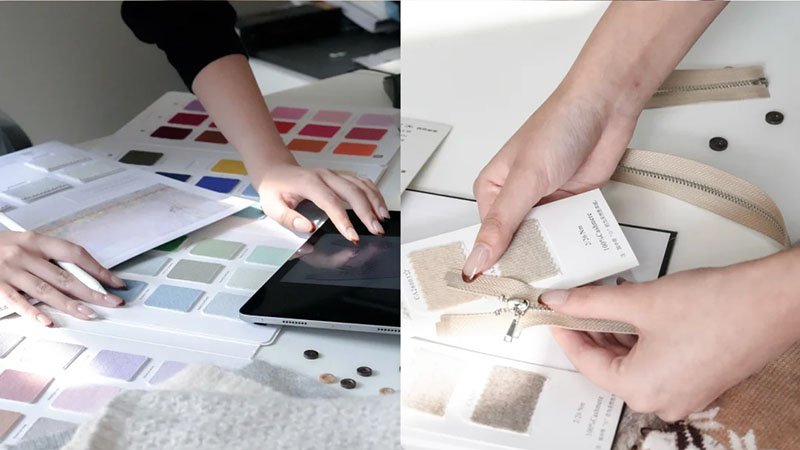
Before a single stitch is sewn, you must know who you are selling to. I always tell new brand owners to create a detailed customer profile, much like the one for Alex. Who are they? What activities do they do? What do they value in activewear? Once you know your customer, you can design for them. I have seen brands succeed because they focused on a specific niche, like sustainable yoga wear for urban professionals or durable gear for trail runners. After defining your niche, create a mood board to guide your aesthetic. Then, translate your ideas into detailed designs. The most critical document here is the tech pack. It is the blueprint for your garment. It includes everything from sketches and measurements to fabric types and stitching details. A clear tech pack prevents misunderstandings with your factory. It is the best way to ensure the final product matches your vision.
| Tech Pack Component | Description | Why It's Important |
|---|---|---|
| Technical Flats | Detailed 2D drawings of the garment (front, back, side). | Shows all seams, stitching, and construction details. |
| Bill of Materials (BOM) | A list of all raw materials needed (fabric, zippers, labels). | Ensures all correct components are sourced. |
| Graded Spec Sheet | A table of measurements for each size in your range. | Guarantees consistent and accurate sizing. |
| Construction Details | Instructions on how to sew the garment (e.g., stitch type). | Dictates the quality and durability of the finish. |
What Makes Fabric Sourcing and Selection So Critical for Sportswear?
Have you thought about what happens if you choose the wrong fabric? Your high-performance gear will not perform, leading to unhappy customers and damaging your brand’s reputation from the start.
The right fabric is the heart of great sportswear, defining its performance, comfort, and durability. You should focus on properties like moisture-wicking and stretch. Always request swatches from your supplier and test them yourself to ensure they meet your brand's quality standards.
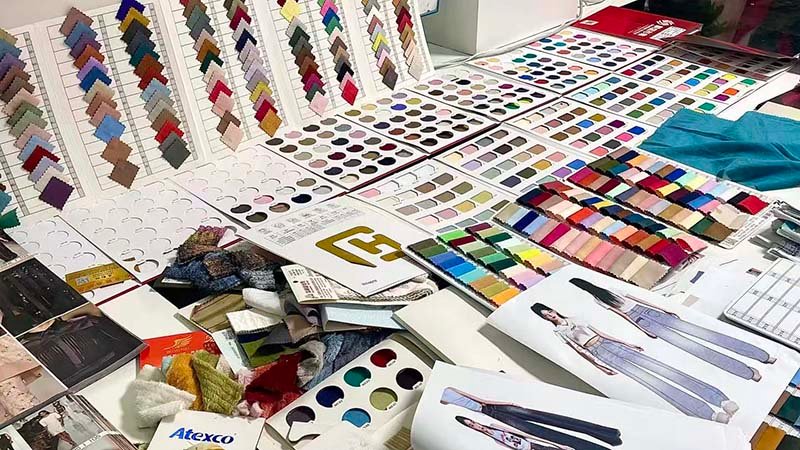
I remember a young brand that wanted to create premium running leggings. They chose a fabric based on its low price. The sample looked good, but the fabric pilled after one wash and lost its shape. Their launch failed because the product did not perform. This is why fabric selection is so critical. For sportswear, you need technical fabrics. Look for features like moisture-wicking to keep skin dry, 4-way stretch for freedom of movement, and breathability for comfort. Depending on your niche, you might also need compression for muscle support or UPF protection for outdoor activities. Do not just trust a spec sheet. I always tell my partners to get their hands on fabric swatches. Stretch them, wash them, and even do a workout in a sample garment. This real-world testing ensures the fabric lives up to its claims and your customers' expectations. Your fabric choice directly reflects your brand's commitment to quality.
| Fabric Type | Key Properties | Best For |
|---|---|---|
| Polyester | Durable, moisture-wicking, wrinkle-resistant. | Leggings, t-shirts, general activewear. |
| Nylon | Very strong, excellent stretch, soft feel. | High-performance leggings, swimwear, jackets. |
| Spandex (Lycra) | Exceptional stretch and recovery. | Almost all stretch-fit sportswear. |
| Merino Wool | Naturally moisture-wicking, breathable, odor-resistant. | Base layers, hiking gear, cold-weather running. |
How Should You Find and Vet the Right Manufacturing Partner?
Are you finding it hard to choose a reliable manufacturer from thousands of options? Partnering with the wrong factory can destroy your launch with poor quality, missed deadlines, and endless frustration.
You should search for suppliers who specialize in technical sportswear and offer flexible Minimum Order Quantities (MOQs) for startups. Vet them carefully by assessing their communication, requesting samples, and asking detailed questions about their production process and quality control standards.
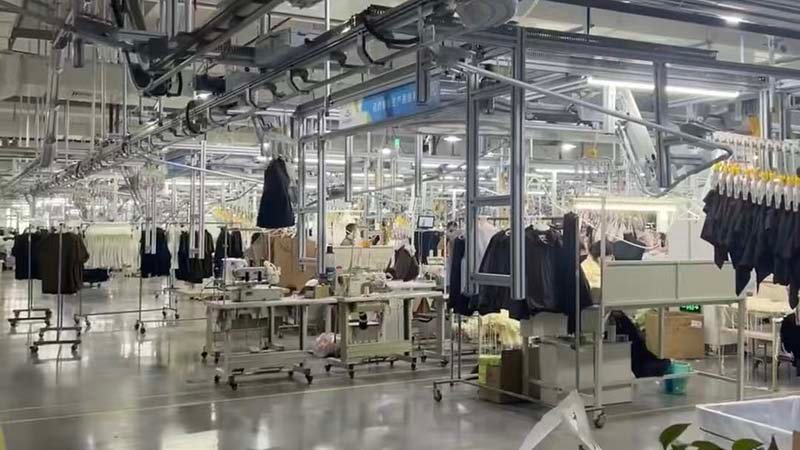
Finding the right partner is the most important relationship you will build. For a startup like Alex's, you need more than just a factory; you need a partner who understands your journey. Look for manufacturers on platforms like Alibaba, attend industry trade shows, or ask for referrals. Once you have a shortlist, the vetting process begins. I always say the first sign of a good partner is their communication. Is their sales representative responsive, knowledgeable, and transparent? Or are they just trying to get a sale? Second, do they specialize in sportswear? A factory that makes t-shirts may not have the right machines or skills for complex leggings. Third, discuss MOQs. A good partner for a startup will offer reasonable MOQs (e.g., 100-200 units per style) to let you test the market. Finally, the sample process will tell you everything. How they handle your sample request, their timing, and how they address feedback is a preview of your future working relationship.
| Vetting Criteria | What to Look For | Red Flag to Avoid |
|---|---|---|
| Specialization | Proven experience and equipment for technical sportswear. | Generalist factory with no specific expertise. |
| Communication | Responsive, clear, and proactive sales representative. | Slow responses, vague answers, poor English skills. |
| MOQ | Flexibility and reasonable quantities for a startup. | Very high MOQs with no room for negotiation. |
| Quality Control | A clear, documented QC process at multiple stages. | No mention of quality control or vague promises. |
Why is the Sampling and Production Phase So Important to Get Right?
Do you feel tempted to rush from a decent sample straight into bulk production? This is a huge risk. You could end up with a full order of flawed inventory that you cannot sell.
The sampling stage is your chance to perfect every detail of your garment before committing to a large, costly order. You must thoroughly review each sample and provide your manufacturer with clear, precise feedback to prevent any errors from being repeated in bulk production.
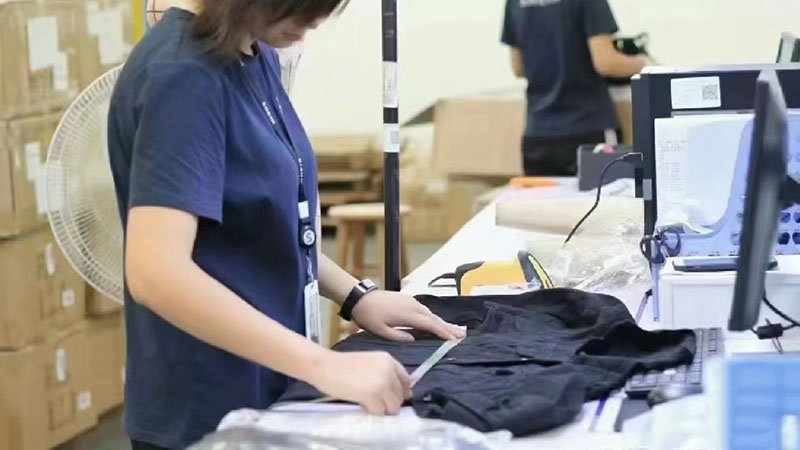
I see sampling as a collaborative process of refinement. It is not just about approving a design. It is about perfecting it. Typically, you will go through several rounds. First, a proto sample to check the basic concept. Then, a fit sample to dial in the sizing and cut on a real person. Finally, a pre-production sample (PPS) which is made with the final fabrics and trims. This PPS is your last chance to check everything. I tell my clients to be extremely picky here. Check every stitch, seam, and measurement. Is the fabric color correct? Does the zipper work smoothly? Provide your feedback with photos and clear comments. Once you approve the PPS, you are giving the green light for bulk production. No more changes can be made. The factory will then use this approved sample as the gold standard to produce your entire order. Taking your time here is not a delay; it is an investment in quality.
Key Production Steps
- Finalize Tech Pack: Update tech pack with all feedback from the approved PPS.
- Material Sourcing: Factory orders all bulk fabrics and trims.
- Cutting: Fabric is cut into pattern pieces for all garments.
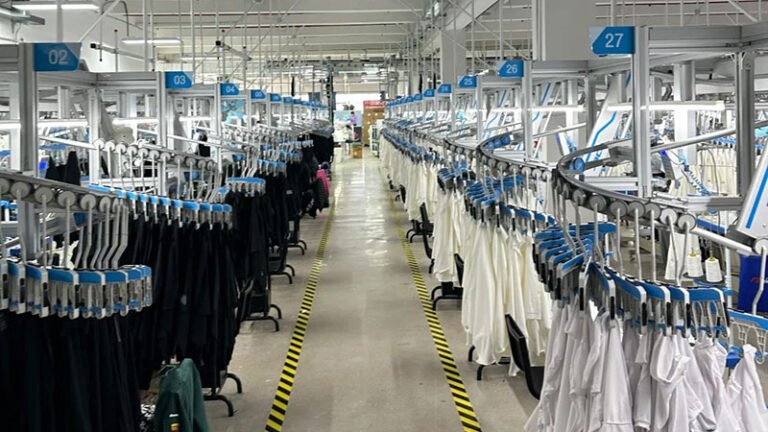
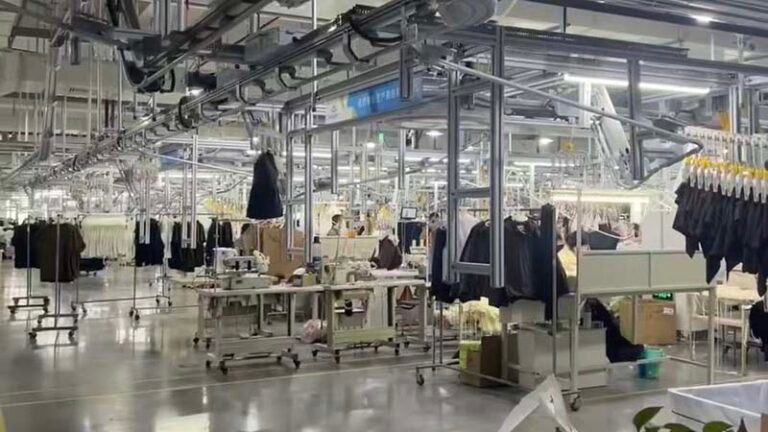
- Sewing: Pieces are assembled on the production line.
- Quality Control: In-line and final inspections to check for defects.
- Finishing & Packing: Garments are ironed, tagged, and packed for shipping.
Conclusion
Launching your first sportswear line is a step-by-step journey. Success comes from careful planning, deep attention to detail, and choosing the right manufacturing partner to bring your vision to life.