.png)
Your activewear looks great, but customers complain it chafes or wears out too fast. This damages your brand's reputation and hurts sales. The secret lies in the sewing details.
High-quality brands use advanced sewing technology like flatlock stitching to prevent chafing and bonded seams for a modern, stitch-free look. These construction methods significantly improve comfort, durability, and the overall value of the garment, setting premium activewear apart from cheaper alternatives.
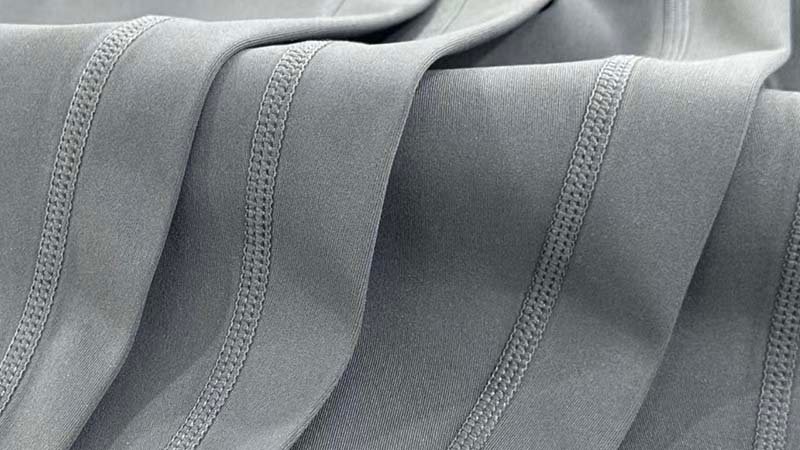
From my first small sewing studio to running Wearzio today, I have seen it all. A beautiful design can be ruined by poor construction. The fabric is the heart of a garment, but the seams are its skeleton. They hold everything together. In the early days, a simple stitch was enough. But for modern sportswear, the technology we use to join fabric is just as important as the fabric itself. These details are not just features; they are a promise of quality to your customer. Let's look at what that means.
What is a Flatlock Stitch and Why Does It Matter for Activewear?
Customers are getting frustrated with itchy, rubbing seams during their workouts. This irritation ruins their focus and their opinion of your product. You need a better solution for comfort.
A flatlock stitch joins fabric panels edge-to-edge, which creates a seam that is completely flat against the skin. It gets rid of the raised edge of a traditional seam. This is the main reason for chafing during exercise, making it essential for next-to-skin activewear.
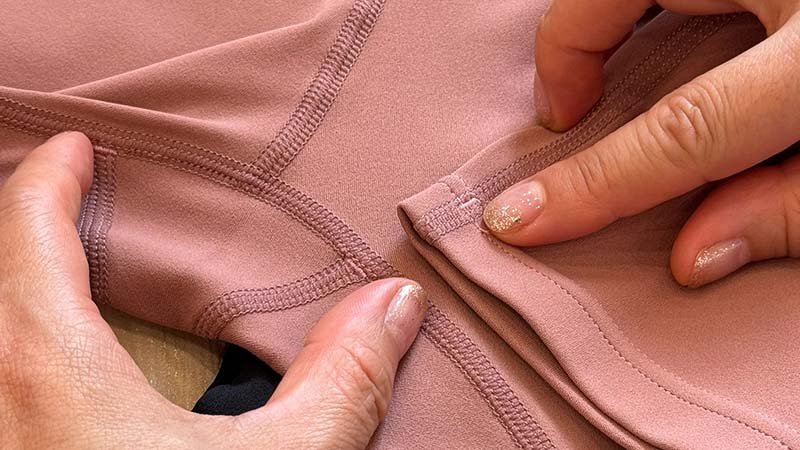
I remember getting my first flatlock machine. It was a complex piece of equipment, and it took my team and me months to master the perfect tension. A traditional overlock seam folds the fabric and stitches over it, leaving a ridge on the inside. A flatlock machine uses multiple needles and threads to create a strong, flat seam that looks like a decorative ladder. This difference seems small, but during a long run or a yoga session, it is everything. This is a detail that customers can literally feel. It is a clear sign that a brand has invested in comfort and quality. Some factories use a "mock" flatlock stitch to save money, but it does not provide the same true flat finish.
A Mark of Comfort and Strength
A flatlock stitch does more than just feel good. It is also incredibly strong. The interlocking threads distribute stress across the entire seam, making it more durable than a standard seam. This is critical for high-stretch garments like leggings, which undergo a lot of tension. The distinct visual look of a flatlock stitch has also become an aesthetic signature of high-performance athletic apparel. Customers recognize it and associate it with quality.
| Seam Type | How it Feels | Durability | Best For |
|---|---|---|---|
| Flatlock Stitch | Completely flat against the skin, no ridge. | Very strong and flexible, distributes stress. | Leggings, compression tops, base layers. |
| Traditional Overlock | A raised ridge of thread and fabric on the inside. | Strong, but can create a single point of failure. | T-shirts, joggers, less fitted garments. |
How Do Bonded Seams Create a Modern, Chafe-Free Look?
You want a sleek, minimalist design for your activewear. But traditional stitches look bulky and interrupt the clean lines. Your modern vision is being held back by old construction methods.
Bonded seams, also called "welded seams," use special adhesive film and heat to join fabric without any thread. This process creates a completely flat, waterproof, and durable connection. It produces a clean, minimalist look and removes any chance of irritation from thread friction.
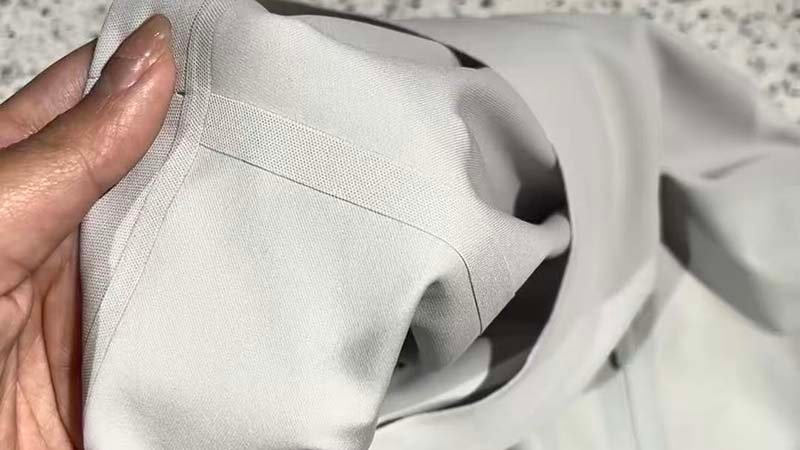
The first time I saw a jacket made with bonded seams, I was amazed. It looked like it was made from a single piece of fabric. There were no stitches, just perfect, clean edges. I knew immediately that this was the future of premium outerwear and minimalist activewear. We invested heavily in the specialized ultrasonic and heat-press machinery needed to do this right. It is a slow, precise process that requires highly skilled operators. You cannot rush it. Bonded seams allow designers to create truly modern garments where the technology is invisible, letting the fabric and fit shine. This technique is the essence of 'quiet luxury'.
The Science of Stitch-Free Construction
Bonding is perfect for specific applications where a traditional seam would fail or look out of place. It is ideal for the hems on leggings and sleeves, creating a smooth edge that will not dig in. It is also used around zippers to create a waterproof seal on technical jackets. However, the technology has limitations. It works best on synthetic fabrics with a smooth surface. It is also less flexible than a stitched seam, so it is not suitable for high-stretch areas that need to move in every direction. The key is knowing when to use this amazing technology.
| Application | Bonded Seam (Pros) | Stitched Seam (Pros) |
|---|---|---|
| Hems | Clean, minimalist finish. No bulky fold. | Simple, cost-effective, works on any fabric. |
| Pockets | Creates a waterproof seal, very sleek look. | More flexible, better for high-stress areas. |
| Zippers | Provides waterproofing, modern aesthetic. | Stronger for heavy-duty use. |
| Main Body Seams | Chafe-free, good for compression. | More flexible for 4-way stretch, better breathability. |
What Other Construction Details Signal a Premium Garment?
Your product looks good from a distance, but it doesn't feel special up close. Customers may not know why, but this feeling stops them from becoming loyal fans of your brand.
Premium details include a gusset in leggings for a better fit, bartacks on stress points for extra durability, and clean-finished neck taping for comfort. These small, often hidden features vastly improve a garment's function and lifespan, showing the customer your commitment to quality.
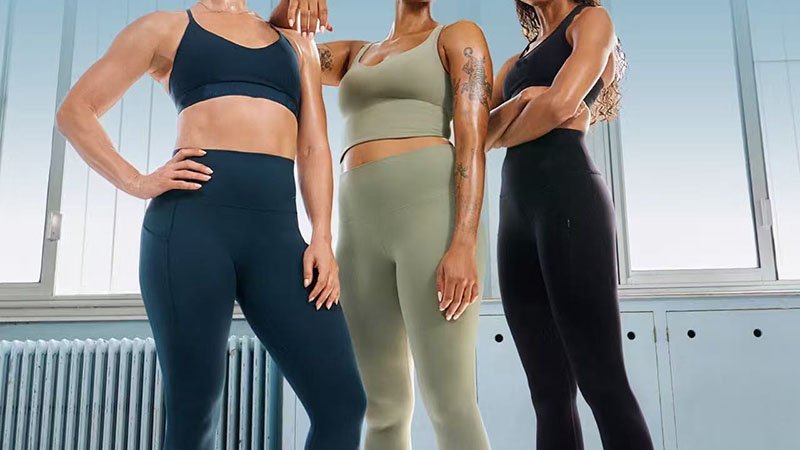
These are the details that separate the good from the great. A fast-fashion brand will always skip these steps to save a few cents per garment. But for a premium brand, they are absolutely essential. When I get a sample from a new brand, these are the first things I check. They tell me more about the brand's philosophy than any logo or tag. They tell me if the people behind the product truly care about the person who will wear it. Adding a gusset or a few bartacks adds a small cost, but the value it adds in terms of fit, comfort, and durability is enormous.
The Hidden Hallmarks of Quality
These details are not flashy. Most customers will never consciously notice them. But they will notice the result: a pair of leggings that never rides up, a top that keeps its shape after dozens of washes, and a jacket pocket that never rips. This is how you build trust and justify a premium price. You build it with thoughtful engineering and an obsession with small, perfect details.
| Detail | What It Is | The Signal It Sends to Customers |
|---|---|---|
| Gusset | A diamond-shaped fabric panel sewn into the crotch. | "This garment is designed for movement and a perfect, comfortable fit." |
| Bartack | A series of tight, reinforcing stitches. | "This garment is built to last, even at its weakest points." |
| Neck Taping | A strip of fabric covering the seam inside the collar. | "We care about your comfort, even in places you can't see." |
| Articulated Knees | A shaped seam or darts around the knee. | "This pant is engineered to move with your body, not against it." |
Conclusion
Great activewear is about more than just fabric. True quality is built into the seams. Investing in advanced sewing technology is how you create products that customers love, trust, and buy again.