.png)
You want your new activewear brand to feel fresh and forward-thinking. But trends move so fast, and you are worried about investing your entire budget into a design that will be outdated by the time it launches.
By 2026, fitness apparel will blend versatile "hybrid" designs for both gym and life, prioritize innovative sustainable materials beyond simple recycling, and feature a bold resurgence of retro-inspired colors. These three core trends will define the most successful brands.

I have been in this industry long enough to see trends come and go like seasons. I remember when seamless knitting was a niche, expensive technology. Brand owners were hesitant. Now, it is a standard for comfort and performance. The most successful brands I have worked with are not the ones that follow trends, but the ones that anticipate them. They look at how people's lives are changing and design products for that future. As we look towards 2026, it is clear that apparel must do more than just perform in the gym; it must perform in life.
Will Versatility and "Lifestyle" Fitness Wear Continue to Dominate?
Your customer lives a busy life. They need gym clothes that also work for errands, coffee runs, and working from home. Creating separate outfits for every part of their day is no longer practical.
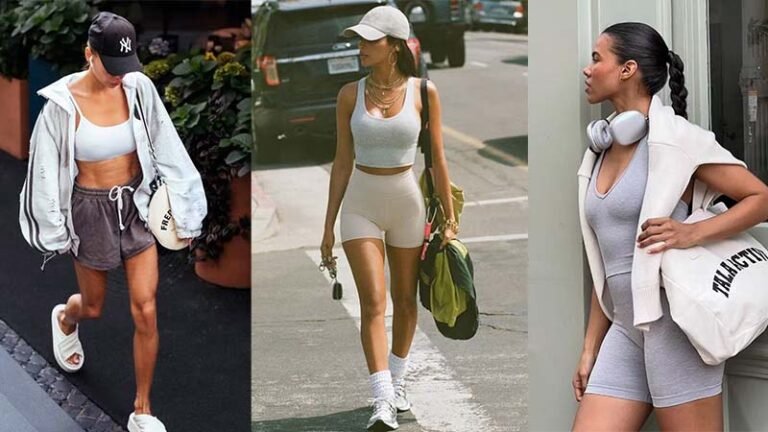
Yes, versatility will become even more important. The trend is moving from "athleisure" to "hybrid activewear"—garments designed with seamless technology, refined textures, and sophisticated colors that transition effortlessly from a workout to daily life, offering more value in a single piece.

The idea of hybrid activewear is about giving your customer permission to wear your product all day. This is achieved by designing performance wear that does not scream "I just left the gym." It is a move away from shiny fabrics and loud patterns towards something more understated and refined. At Wearzio, we are seeing more requests for ribbed seamless fabrics and heathered finishes. These textures give the garment a more "lifestyle" look while still being made from high-performance, moisture-wicking yarns. It is the perfect blend of style and function, and it is what the modern consumer expects. They are buying fewer, better things. Your product needs to be one of them.
Designing the "All-Day" Uniform
To create true hybrid activewear, you must focus on details that blend performance with everyday comfort and style.
- The Evolution of Seamless: Seamless technology is the key to hybrid design. It removes bulky, chafing seams, creating a smooth silhouette that is incredibly comfortable and easy to layer under other clothes. By 2026, we will see even more advanced seamless capabilities, with body-mapped textures and ventilation zones that are both functional and beautiful.
- Sophisticated Palettes and Textures: The colors will shift towards more mature, earthy tones. Think olive greens, muted clays, and deep blues instead of just basic black. The fabrics themselves will add interest. We are developing more ribbed, waffle-knit, and marled fabrics that have a soft, premium feel without sacrificing stretch or wicking properties.
| Feature | Traditional Gym Wear | Hybrid Activewear (2026) |
|---|---|---|
| Aesthetics | Bright, shiny, bold logos. | Muted, matte, textured, minimal branding. |
| Construction | Cut-and-sew with many seams. | Primarily seamless or with bonded seams. |
| Primary Use | High-intensity workouts only. | Gym, work from home, travel, daily errands. |
| Key Technology | Basic wicking polyester. | Advanced seamless knitting, refined textures. |
What Role Will Sustainable and Smart Fabrics Play in 2026?
Your customers are smart. They demand more than just performance; they want to know their clothes are not harming the planet. Using generic recycled polyester is no longer enough to stand out.
Sustainable fabrics will evolve beyond recycled plastics to include bio-based and fully circular materials. We will see high-performance fibers derived from plants like corn and castor beans. "Smart" fabrics will also become standard, offering features like adaptive cooling and UV protection that are inherent to the yarn itself.

For years, "sustainability" in activewear meant one thing: recycled polyester from PET bottles. This was a great first step, but the next generation of materials is far more exciting. My team and I are now sourcing fabrics that reduce our reliance on fossil fuels altogether. These are not weak or fragile materials; they are marvels of engineering. Imagine a nylon alternative made from castor bean oil that is lighter, softer, and more durable than traditional nylon. This is not science fiction; this is what leading brands are sampling today. The focus is shifting from "less bad" to "truly good," and your fabric choice will be a major part of your brand's story.
The Next Generation of Eco-Tech Materials
The future is about creating materials that perform for the athlete and the planet.
- Beyond Recycled: The Rise of Bio-Based: Look for materials like bio-polymers and bio-nylons. These fabrics use renewable resources like corn starch or castor oil as their building blocks. They offer the same high performance as their synthetic cousins but with a significantly lower carbon footprint. This is the new standard for eco-luxury.
- True Circularity: The ultimate goal is a closed-loop system. We are starting to see the first generation of chemically recycled fabrics. This means a polyester legging can be broken down to its molecular level and reborn as a new, identical polyester legging, over and over again. This is true circularity, and it will be a game-changer.
- Inherent Smart Functions: The smartest fabrics are those where the function is built into the yarn. Think yarns infused with minerals that react to body heat to provide a cooling sensation, or yarns with embedded carbon to trap odor permanently. This is far superior to temporary chemical coatings that wash out over time.
| Eco-Fabric Generation | Key Material | Main Benefit | Limitation |
|---|---|---|---|
| Gen 1 (Current) | Recycled Polyester (rPET) | Reduces plastic waste. | Still relies on a plastic source. |
| Gen 2 (2026) | Bio-Based Nylon/PLA | Reduces fossil fuel use. | Can be more expensive initially. |
| Gen 3 (Future) | Chemically Recycled Fabrics | Creates a true closed loop. | Technology is still scaling up. |
How Will Bold Colors and Retro Aesthetics Influence Designs?
The sea of black and beige leggings can feel uninspired and safe. Your brand wants to capture attention and express a unique personality, but choosing the wrong trend can make you look dated.
Expect a wave of "dopamine dressing." Bold, optimistic colors like vibrant oranges and aquatic blues will cut through the neutrals. This will be paired with a strong 90s retro influence, bringing back high-cut silhouettes, confident color-blocking, and playful logos for a nostalgic, high-energy look.
After years of minimalist and serious tones, people are ready for more joy and self-expression. We are seeing this directly in the color palettes our clients are requesting for their 2026 collections. It is a confident return to vibrant, saturated colors that make a statement. At the same time, there is a powerful sense of nostalgia for the bold simplicity of 90s sportswear. Think of the iconic color-blocked windbreakers and tracksuits from that era. We are taking that energy and applying it to modern, high-performance silhouettes. This creates a look that is fun, athletic, and full of personality, which is perfect for social media and for standing out in a crowded market.
Balancing Nostalgia with Modern Performance
This trend is about capturing a feeling and translating it into a modern garment.
- Dopamine Dressing: The Power of Color: This is about using color to evoke a positive emotional response. For 2026, we will see a lot of what I call "digital brights." These are saturated, optimistic colors that feel both natural and energetic. Think Digital Lavender, Solar Orange, and Cyber Lime. These shades will be used as all-over colors for hero pieces or as pops of energy in color-blocked designs.
- The 90s Call-Back: This trend goes beyond color. It influences the very cut and construction of the garments. We are seeing requests for higher waistlines and slightly higher leg cuts on leggings and bodysuits. Asymmetric paneling and bold, geometric color-blocking are key design elements. It is a confident aesthetic that celebrates the athletic body.
| Design Element | The 2026 Interpretation | How to Use It |
|---|---|---|
| Color-Blocking | Large, geometric panels of contrasting color. | Use a neutral base with a pop of a seasonal bright color. |
| Silhouettes | Higher waistlines, bodysuits, racer-front tops. | Update a classic legging with a higher, more supportive waistband. |
| Logos | More prominent, classic font logo placements. | Use a simple, retro-style logo on the chest or hip. |
Frequently Asked Questions
1. Should my new brand focus on just one trend?
The best strategy is to blend them. A winning product for 2026 could be a hybrid-style legging (Trend 1) made from a bio-nylon fabric (Trend 2) offered in both a muted olive green and a bold, retro color-blocked option (Trend 3). This shows you understand all aspects of the modern market.
2. Are bio-fabrics as durable as traditional synthetics?
Yes. Modern bio-polymers and bio-nylons are engineered to meet or exceed the performance of their fossil-fuel-based counterparts. They undergo the same rigorous testing for durability, stretch, recovery, and moisture-wicking. You are not sacrificing performance for sustainability.
3. How far in advance should I be designing for 2026?
You should be starting now. The full development cycle—from concept to design, fabric sourcing, sampling, production, and shipping—is typically 12 to 18 months. To have your products ready for a Spring 2026 launch, you should be finalizing your designs and sourcing fabrics in mid-to-late 2024.
4. Will seamless leggings still be popular in 2026?
Absolutely. Seamless is no longer a trend; it is a foundational manufacturing technology for comfort and performance. It will continue to evolve, allowing for even more intricate textures, targeted ventilation, and body-mapped compression, making it more essential than ever.
5. How can a small brand compete with big brands on trends?
By being agile and focused. Do not try to do everything. Pick a niche and own it. Become the absolute best at creating retro-inspired activewear using next-generation sustainable materials, for example. Big brands have to appeal to everyone; you only have to appeal to your specific customer, and you can do it with more passion and focus.
Conclusion
By 2026, your brand will thrive by creating versatile hybrid apparel, using advanced sustainable fabrics, and embracing bold, retro-inspired aesthetics. This is the future of fitness wear.