.png)
Are you struggling to find a sportswear supplier who truly understands your brand's vision? Many brands face headaches with inconsistent quality, missed deadlines, and poor communication. I know how frustrating this can be.
To find a reliable sportswear supplier, focus on their track record for consistent fabric quality, production capacity, and ethical practices. Prioritize transparent communication, flexible MOQs, and a partner who offers robust customization to match your brand's specific design and performance requirements for athletic apparel.
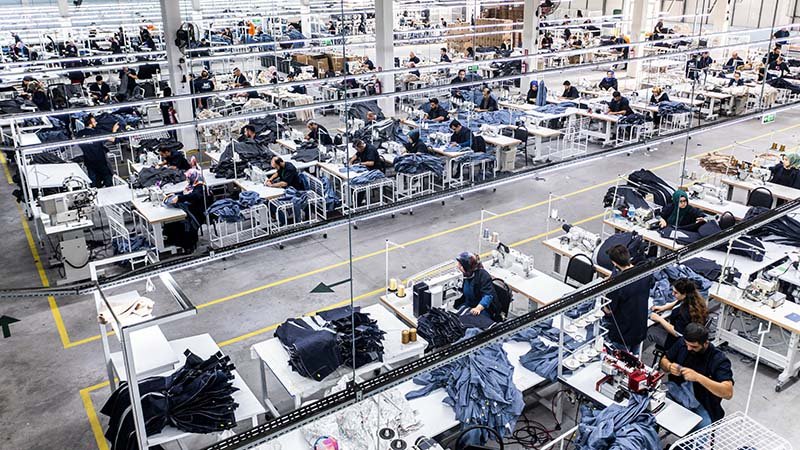
Finding the right manufacturing partner for your sportswear label is more than just sourcing; it is about building a strong foundation for your brand's success. From high-performance fabrics to sleek designs, every detail matters. My journey in custom apparel has taught me that the right partner makes all the difference. It is about aligning with a factory that not only delivers on quality but also supports your brand's growth and vision.
How Can a Supplier Ensure Consistent Sportswear Fabric Quality?
Do you worry about your sportswear feeling different from one batch to the next? Inconsistent fabric quality can ruin your brand's reputation and customer trust. This is a common problem I have seen.
To ensure consistent sportswear fabric quality, a reliable supplier must have strict quality control at every stage, from yarn sourcing to dyeing and finishing. They should perform rigorous testing for elasticity, moisture-wicking, compression, and durability, ensuring each batch meets precise performance standards.
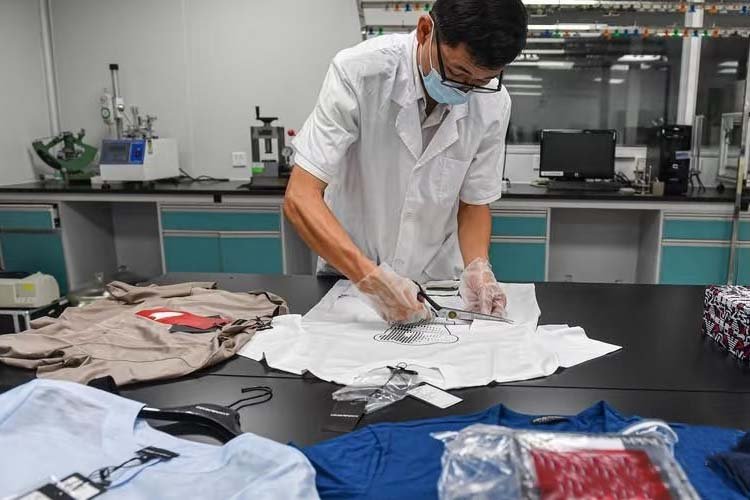
I have seen many brands struggle with this. A sample might feel perfect—stretchy, breathable, and soft—but the bulk order feels different. This happens when factories cut corners. They might use a cheaper grade of yarn or skip crucial finishing processes. For sportswear, properties like moisture-wicking, compression, and stretch are vital. These are not just nice-to-haves; they are core functions. A truly reliable supplier invests in proper testing. They test fabrics for their intended use. This means checking elasticity for movement, breathability for comfort, and UPF ratings for outdoor gear. They also check colorfastness. They use certified labs or have strong in-house testing facilities. I always advise asking about their fabric sourcing and quality control protocols. How do they ensure the same fabric composition and performance across different production runs? Do they share test reports? This transparency builds trust. It also ensures the final product meets the high expectations of your customers, like Alex's, who prioritize durability and flexibility.
Fabric Quality Checks
- Yarn Sourcing: How they select raw materials to ensure consistent fiber quality.
- Dyeing Process: Ensuring consistent color, shade, and fastness across all batches.
- Finishing Treatments: Applying specialized finishes like moisture-wicking or UV protection uniformly.
Performance Testing
- Stretch & Recovery: How well the fabric stretches and returns to its original shape.
- Moisture Management: Its ability to wick sweat away from the body and dry quickly.
- Durability: Resistance to pilling, abrasion, and tearing, ensuring garment longevity.
| Fabric Attribute | Key Performance Metric | Why it Matters for Sportswear |
|---|---|---|
| Stretch & Recovery | % Elongation, % Recovery | Freedom of movement, perfect fit, shape retention |
| Moisture-Wicking | Absorption Rate, Dry Time | Comfort during activity, quick drying for hygiene |
| Durability | Abrasion Resistance | Longevity, withstands repeated wash and wear |
| Colorfastness | Staining, Fading Rating | Maintains appearance, prevents dye transfer |
How Important Is a Supplier's Production Capacity for Scaling Your Sportswear Brand?
Are you worried your current supplier cannot keep up as your brand grows? Scaling production is a huge challenge for many sportswear labels. It can feel like you are always playing catch-up.
A supplier's production capacity is crucial for scaling your sportswear brand, as it dictates their ability to handle growing order volumes and consistent delivery. Assess their equipment, workforce size, and organizational efficiency to ensure they can meet increasing demand without compromising quality or lead times.
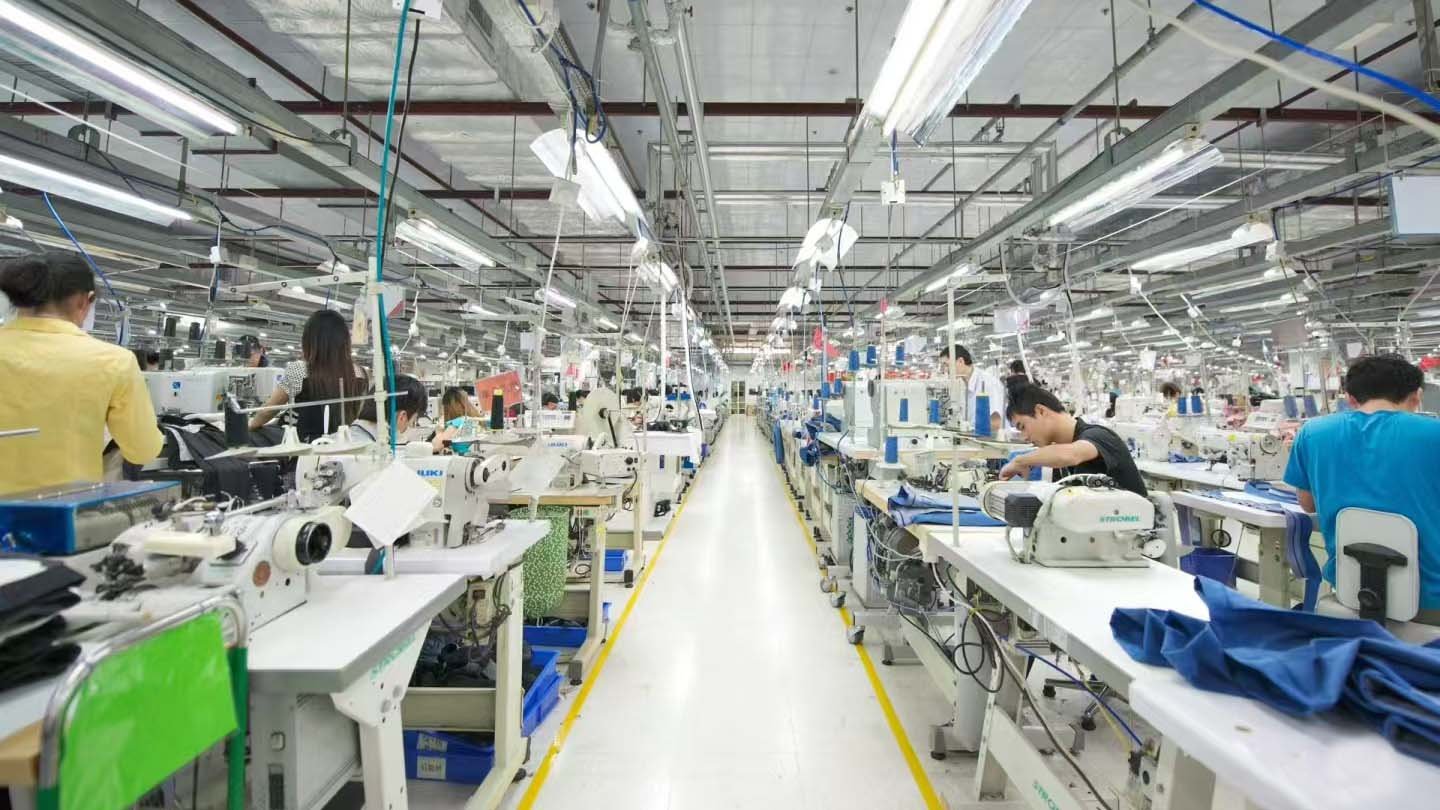
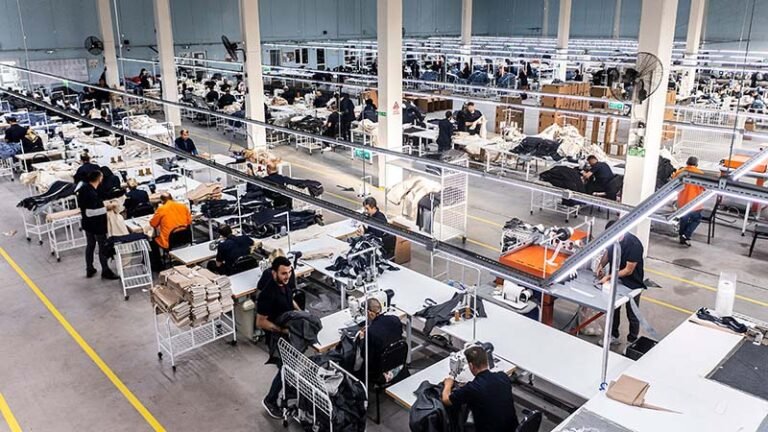
As a brand grows, production capacity becomes a major concern. I have seen brands lose momentum because their manufacturer could not scale with them. When Alex's brand starts to see success, the last thing he needs is a supplier who struggles to deliver larger orders. This means looking at more than just current output. You need to understand their potential. How many sewing lines do they have? Do they have specialized machines for technical sportswear fabrics, like flatlock machines or heat-sealing equipment? A supplier with versatile machinery can adapt to different styles. Also, consider their workforce stability. A consistent, trained team can handle increased volume without quality drops. Ask about their order management system and production planning. Can they coordinate multiple development schedules at once? A good supplier will have clear processes to manage material procurement, cutting, sewing, and finishing efficiently. This helps avoid bottlenecks. It ensures your orders are not delayed. For emerging brands, you need a partner who can grow with you.
Capacity Assessment
- Equipment: Availability of specialized machines required for sportswear construction.
- Workforce: The number of skilled operators and the stability of their employment.
- Factory Size: Overall production area and its layout for efficient workflow.
Production Planning
- Order Management: Systems they use to track, prioritize, and manage ongoing orders.
- Scheduling: Their ability to coordinate multiple production lines and diverse styles simultaneously.
- Lead Times: Realistic timelines for different order sizes, from samples to bulk production.
| Capacity Metric | Small/Mid-size Supplier | Large Supplier | Impact on Brand Growth |
|---|---|---|---|
| MOQ Flexibility | High (50-200 units per style) | Lower (500-1000+ units) | Market testing, manageable cash flow |
| Production Volume | Lower (e.g., 5,000 units/month) | Higher (e.g., 50,000+ units/month) | Meeting initial demand vs. mass market |
| Lead Time | Shorter (4-8 weeks for bulk) | Longer (12-16+ weeks for bulk) | Speed to market, efficient inventory |
| Workforce Stability | Can vary; inquire directly | Generally high, experienced teams | Quality consistency, production reliability |
Why is Transparent Communication Key in a Sportswear Manufacturing Partnership?
Have you ever felt left in the dark about your order's progress? Poor communication with a supplier can lead to costly mistakes, delays, and a lot of stress. I have seen how this can derail a project.
Transparent communication is key because it builds trust, prevents misunderstandings, and ensures quick resolution of issues. A reliable sportswear supplier provides proactive updates, honestly addresses challenges, and clearly conveys production status, fostering a strong and efficient working relationship.
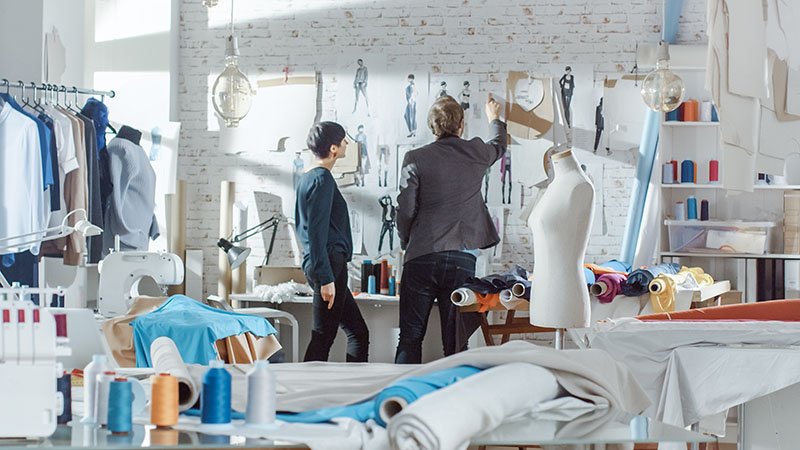
In my years in this industry, I have learned that clear, honest communication is the backbone of any successful manufacturing partnership. For sportswear, where technical details and performance features are so specific, misunderstandings can be disastrous. I always look for a supplier whose sales representative acts as a true partner, not just an order taker. They should be proactive. They give regular updates on development, production, and shipping. If there is a problem, they should tell you immediately. They explain the issue and offer solutions. They do not just ask you to compromise. I have seen many situations where a rep hides a delay until it is too late. Or they try to downplay a quality issue. This lack of transparency only hurts the brand. A good representative helps coordinate development schedules by giving realistic timelines and sticking to them. They are flexible when unforeseen issues arise. This kind of open dialogue helps manage expectations. It also builds a relationship based on mutual trust, which is invaluable for a brand like Alex's.
Communication Qualities
- Proactivity: Giving updates on your order's status without needing to be prompted.
- Honesty: Openly discussing challenges, potential delays, and quality issues.
- Clarity: Explaining technical details and production processes in an easy-to-understand way.
Problem Resolution
- Solution-Oriented: Offering practical ways to fix issues rather than just stating problems.
- Accountability: Taking responsibility for factory-side problems and working towards solutions.
- Flexibility: Willingness to adjust plans and find alternatives when unforeseen issues arise.
| Communication Aspect | Reliable Supplier (Positive) | Unreliable Supplier (Negative) | Impact on Brand |
|---|---|---|---|
| Updates | Regular, detailed progress reports | Infrequent, vague, only when asked | Project visibility, risk management |
| Issue Handling | Proactive problem-solving, options | Reactive, blames client, demands compromise | Delays, added costs, frustration |
| Responsiveness | Quick, informative replies | Slow, unclear, avoids direct answers | Decision-making speed, trust |
| Transparency | Open about challenges and delays | Hides issues, provides false information | Builds/destroys trust, impacts planning |
How Can a Supplier Offer Customization and MOQ Flexibility for Emerging Sportswear Brands?
Are you a new brand struggling to meet high minimum order quantities (MOQs) for your custom designs? Many small brands face this barrier. It makes testing new products very difficult.
A supplier can offer customization and MOQ flexibility by having agile production lines, efficient sample development, and a willingness to partner with emerging brands. They should provide a range of fabric and design options while accommodating smaller order volumes for market testing and brand identity development.

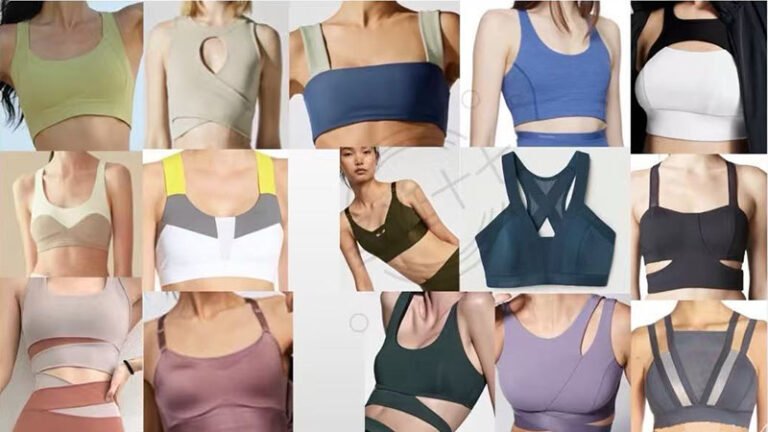
For emerging brands like Alex's, customization options and reasonable MOQs are necessities. When I started, I understood that small brands need to test the market without huge financial commitments. Many large factories simply cannot accommodate low MOQs. A truly suitable supplier for a startup will have a more flexible approach. This means they are set up to handle smaller production runs efficiently. They might have a dedicated sampling department that can quickly turn around prototypes for custom designs. They should offer a wide range of stock fabrics and trims that can be customized with your branding, colors, and specific performance features. This allows you to maintain your brand identity without needing to order custom-milled fabrics in massive quantities. Ask about their MOQ policies upfront. Can they do 50 or 100 units per style? How do they manage varied customization requests? Their willingness to work with lower MOQs and offer extensive customization demonstrates a commitment to helping new brands grow. This is the hallmark of a valuable long-term partner.
MOQ Management
- Small Order Capability: Systems and processes designed for efficient handling of smaller production runs.
- Cost Structure: Transparency in how pricing scales with different order quantities.
- Flexibility: Willingness to negotiate or adapt MOQs, especially for new or growing clients.
Customization Options
- Design Support: Assistance with translating your design concepts into technical specifications.
- Fabric & Trim Variety: A broad selection of in-stock fabrics, colors, and trims.
- Branding Methods: Comprehensive capabilities for custom labels, printing, or embroidery.
| Customization/MOQ Aspect | Ideal Supplier for Startups | Typical Large Supplier | Benefit for Alex's Brand |
|---|---|---|---|
| MOQ | 50-200 units (flexible options) | 500-1000+ units (often rigid) | Market testing, lower initial investment |
| Design Customization | High (tailored details) | Moderate (standard templates) | Strong brand identity, niche appeal |
| Fabric Sourcing | Wide range of stock fabrics | Often requires custom runs (high MOQ) | Cost-effective, faster development |
| Relationship Focus | Partnership, growth-oriented | Transactional, volume-driven | Long-term support, adaptability |
Conclusion
Finding a reliable sportswear supplier means looking beyond price. Focus on consistent quality, scalable production, clear communication, and flexible customization. This ensures your brand thrives and your products truly stand out.