.png)
Your designs are good, but they blend in with everything else on the market. This makes it impossible to build a memorable brand and leads to disappointing sales figures.
To create activewear that sells out, you must combine unique fabrics, thoughtful design details, and a distinct color strategy. These elements work together to create a signature look that feels premium, photographs beautifully, and makes customers feel special, justifying a higher price point.
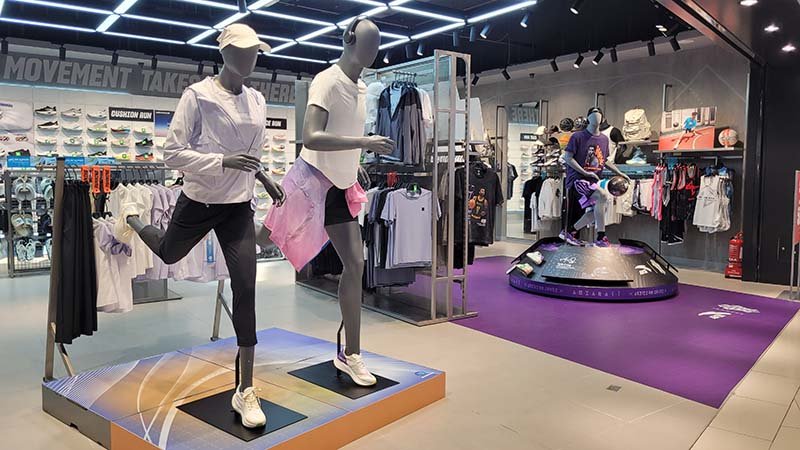
I have seen countless brands come and go since I first opened my small sewing studio. The ones that succeed do more than just put a logo on a standard t-shirt. They create a world. They understand that a customer is not just buying leggings; they are buying an identity, a feeling. In the past, having a good quality fabric was enough. Today, that is just the starting point. The real magic happens in the customization, in the small decisions that turn a simple garment into a piece of art that people are excited to wear. Let's explore how you can make those decisions.
How Can You Use Unique Fabric Textures and Prints to Stand Out?
Your activewear performs well, but it looks like every other brand's solid-color collection. Customers scroll right past it because it does not catch their eye or offer anything new.
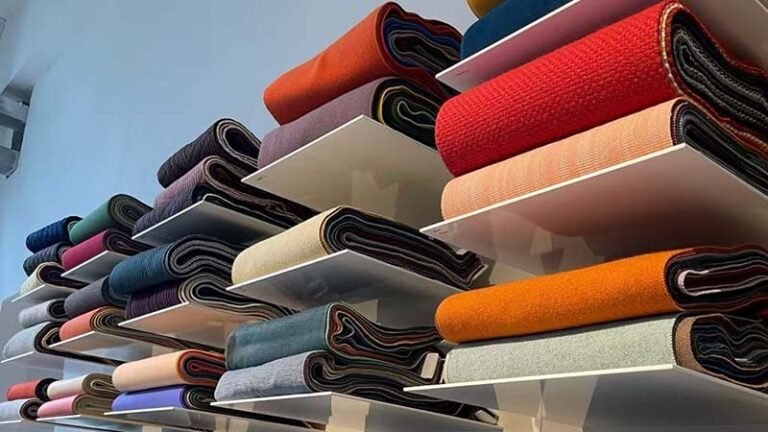
Move beyond basic flat-knit fabrics. Use unique textures like ribbed, jacquard, or acid-wash finishes to add visual and tactile interest. Also, develop custom digital prints that are exclusive to your brand. These choices make your product instantly recognizable and impossible to copy.
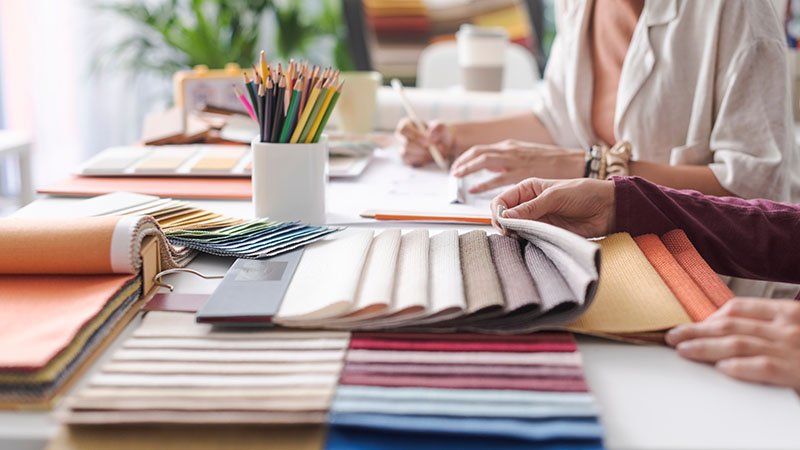
I remember a young brand owner who came to me. He was frustrated. His leggings were high quality, but they were not selling. We sat down with my fabric books. I showed him a new ribbed performance fabric we had developed. It had the same four-way stretch and moisture-wicking properties, but the texture was completely different. It felt more luxurious, more like fashion. He launched a collection using that fabric, and it sold out in a week. The fabric's texture made his product look different on Instagram and feel different to the customer. It created desire. That is the power of moving beyond the standard options.
Choosing Your Fabric's Personality
Your fabric choice is a core part of your brand's story. A smooth, compressive fabric says "high-performance." A soft, brushed fabric says "comfort and yoga." A textured fabric says "fashion-forward."
- Textured Knits: Fabrics like ribbed or honeycomb knits add depth and a premium feel. They are great for sets because the texture creates a complete, intentional look.
- Custom Prints: Do not use stock prints that thousands of other brands can buy. We can create a unique digital print from your artwork. This makes your product truly one-of-a-kind.
- Specialty Finishes: An acid-wash or a "cloud dye" finish can give a basic garment a trendy, boutique feel. These finishes make every piece slightly unique.
| Fabric Choice | Best For | Brand Message |
|---|---|---|
| Ribbed Texture | Matching sets, tops, fashion-forward leggings. | "We blend style with performance." |
| Custom Digital Print | Statement pieces, leggings, swim, capsule collections. | "We are creative, bold, and unique." |
| Brushed/Peached Finish | Yoga pants, loungewear, cozy tops. | "Our focus is on ultimate comfort." |
What Custom Design Details Make a Garment Look Truly Premium?
Your product functions well, but it lacks that special something that justifies a premium price. Customers see it as basic and are not willing to pay more for it.
Focus on small but impactful details. Use seams not just for construction, but to contour the body. Add custom-branded hardware like zipper pulls and drawstring tips. Incorporate a signature branded elastic band. These thoughtful details signal high quality and excellent craftsmanship.
Years ago, a seam was just a seam. Its only job was to hold two pieces of fabric together. Today, for premium activewear, seams are design lines. I worked with a brand, similar to Alex's, that was designing a new running short. Instead of a straight side seam, we created a curved seam that followed the shape of the leg muscle. It was a small change on paper, but on the body, it was a huge difference. It made the shorts look more technical, more flattering, and more expensive. These are the details that most companies miss. They are not just add-ons; they are part of the core design.
Details That Tell a Quality Story
When a customer picks up your product, they will subconsciously notice these small signals of quality. This builds trust and makes them feel smart for choosing your brand.
- Contouring Seams: Use princess seams on tops or curved seams on leggings to create a flattering shape. It shows the garment was engineered for the body.
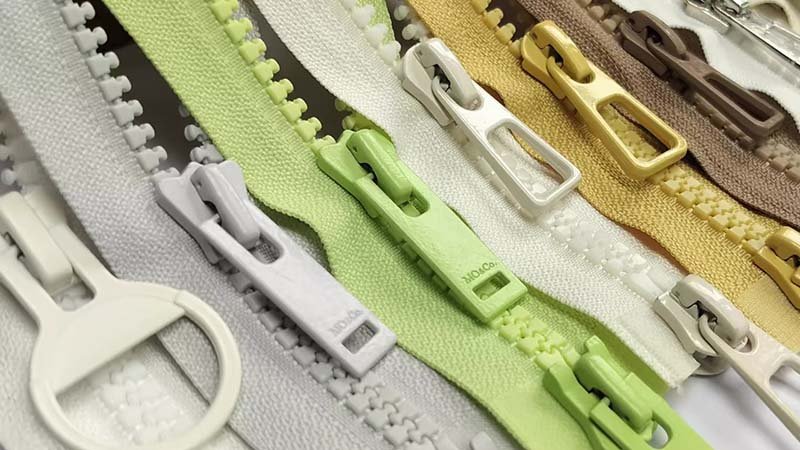
- Branded Hardware: A custom zipper pull with your logo or metal tips (aglets) on a drawstring with your brand name engraved feels incredibly premium. It shows you have thought about every component.
- Signature Waistband: Instead of a plain elastic, use a jacquard elastic with your brand name woven into it. This can become a recognizable brand signature, especially when it peeks out from under a top.
| Detail Type | Standard Option | Premium Custom Option |
|---|---|---|
| Seams | Straight, functional side seams. | Curved, body-contouring seams. |
| Drawstring | Plain cord with a plastic tip. | High-quality cord with custom metal aglets. |
| Waistband | Elastic hidden inside fabric. | Exposed jacquard elastic with woven branding. |
| Zippers | Generic, unbranded zipper pull. | Custom-molded pull with your logo. |
How Can You Offer Innovative Colorways and Color-Blocking?
You feel stuck choosing from the same limited palette of factory colors. Your collection ends up looking generic, and you struggle to create a fresh and exciting story for each season.
Develop a signature brand color palette instead of choosing colors randomly. Use strategic color-blocking to flatter the body and create a dynamic look. We can dye fabrics to match any Pantone color, giving you complete creative control to build a unique color story.
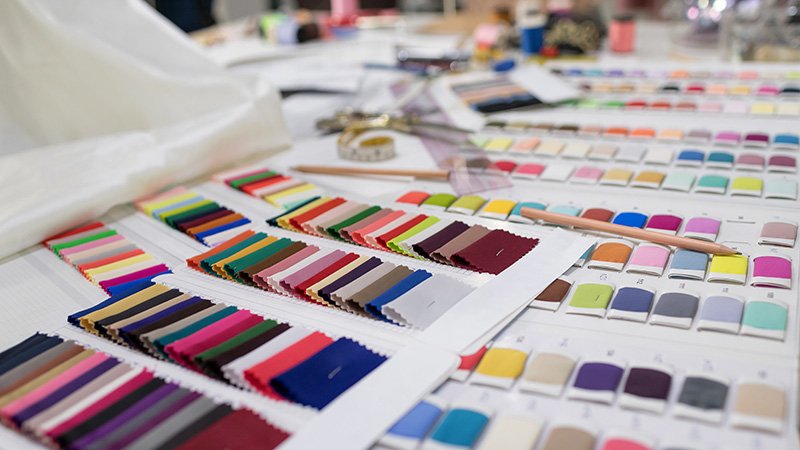
Color is the first thing a customer notices. I have seen brands build their entire identity around a specific shade of blue or green. It becomes their signature. One of the most valuable services we offer is custom color dyeing. You are not limited to what is on a color card. You can own a color. I guide brands to think beyond single colors. We discuss how to build a palette of 3-5 colors that work together. This allows you to create color-blocked styles that look intentional and high-end. It also makes your collection cohesive, so customers are tempted to buy multiple pieces that all mix and match.
The Art and Science of Color
Smart color usage is a powerful tool. It can make your products more desirable and your brand more memorable.
- Signature Palette: Choose a core set of colors that define your brand. Are you earthy and neutral? Bright and energetic? This helps with brand recognition.
- Strategic Color-Blocking: Use darker side panels to create a slimming effect. Use a bright pop of color on a seam or a waistband to draw attention. This shows a high level of design thought.
- Custom Dyeing (Lab Dips): The process is simple. You give us a Pantone code, and our dye house creates a small fabric sample (a lab dip) for your approval. This ensures you get the exact color you envision. It is the key to true color freedom.
| Color Strategy | Description | Impact on Brand |
|---|---|---|
| Signature Palette | A defined set of 3-5 complementary colors used each season. | Creates strong brand recognition and a cohesive collection. |
| Color-Blocking | Using two or more solid colors on a single garment. | Makes products look dynamic, modern, and can flatter the body. |
| Monochromatic Tones | Using different shades of the same color in a collection. | Creates a sophisticated, high-fashion, and curated look. |
Conclusion
Creating activewear that sells out requires a deep focus on customization. By combining unique fabrics, premium details, and a smart color strategy, you can build a brand that truly stands out.