.png)
You have a killer design, but you're afraid of choosing the wrong manufacturer. A bad partnership can lead to poor quality, missed deadlines, and a devastating financial loss.
To choose a reliable manufacturer, evaluate their technical expertise with performance fabrics, verify their multi-stage quality control process, and prioritize transparent communication over the lowest price. A true partner will show you proof of their capabilities and act as an advisor.

When I first started Wearzio, I thought being a good clothing artisan was all about sewing. I quickly learned that building trust with my clients was just as important as the stitches themselves. Choosing a manufacturing partner is one of the biggest decisions a brand owner like you will make. It's not just a transaction; it's a relationship that can define your brand's future. I have seen what separates the reliable partners from the risky ones. Let me share what I've learned so you can make this choice with confidence.
What Level of Technical Expertise Should You Look For?
Your designs use advanced performance fabrics. You worry a general factory won't understand the special handling they need, resulting in stretched-out garments or puckered seams. This is a valid fear.
You need a specialist in activewear. They must prove their experience with 4-way stretch fabrics, complex stitching like flatlock seams, and modern techniques like bonding. Ask to see physical examples of complex products they have made for other brands.

A factory that makes great cotton t-shirts will likely fail at making great compression leggings. The skills are completely different. I remember a new client, a brand owner like Alex, came to me after a bad experience elsewhere. Their previous factory used standard thread on a 4-way stretch fabric. The very first time a customer tried on the leggings, the seams popped. It was a disaster. It's not because that factory was "bad," but because they were not an activewear specialist. They didn't have the special machines or the worker training to handle high-stretch materials correctly. A specialist understands the engineering behind performance wear. They know that your product has to do more than just look good; it has to perform under stress. They must speak the language of performance apparel.
Beyond Basic Sewing
Making activewear is a technical skill that requires specific machinery and deep knowledge. A true specialist will be able to discuss these details with you.
-
Fabric Handling and Cutting: High-stretch fabrics are like living things. After you unroll them, they need to "rest" on the cutting table for hours to relax back to their true size. If a factory cuts the fabric immediately, the finished garments will be smaller than you planned. An expert also uses special machines for cutting multiple layers of stretchy fabric without letting it shift, ensuring every piece is identical.
-
Stitching and Seam Construction: This is where expertise really shows. A specialist knows which seam to use and why.
- Flatlock Seams: These are the gold standard for premium activewear. The machine cuts the fabric and sews it together into a flat, incredibly strong seam that will not chafe the skin. They require a very specific, expensive machine.
- Coverstitch: This is used for hemming leggings or sleeves. It creates parallel rows of stitches on the outside and a loopy stitch on the inside, allowing the hem to stretch with the fabric.
- Overlock: This is a basic seam used to finish edges. A cheap manufacturer might use it for construction, but the seam is raised and can be uncomfortable in a tight-fitting garment.
-
Advanced Technologies: The industry is always evolving. A good partner invests in new technology. This includes things like bonded or "no-sew" seams for a super smooth finish, laser cutting for precise ventilation patterns, and sublimation printing for vibrant, all-over custom prints. Ask them what new technologies they can offer.
| Capability | General Apparel Manufacturer | Activewear Specialist Manufacturer |
|---|---|---|
| Primary Skill | Sewing simple woven and knit fabrics (e.g., cotton). | Engineering high-stretch, synthetic performance fabrics. |
| Machinery | Basic lockstitch and overlock machines. | Multi-needle flatlock, coverstitch, and bonding machines. |
| Fabric Knowledge | Basic understanding of fabric weights. | Deep knowledge of stretch, compression, wicking, and resting protocols. |
How Can You Verify a Manufacturer's Quality Control Process?
You're about to invest thousands in a bulk order. The fear of receiving boxes of defective products is paralyzing, as a single bad batch could bankrupt your new brand.
Ask for their Quality Control (QC) documentation. A reliable factory has a multi-stage process: raw material inspection, in-line checks during sewing, and a final statistical inspection based on an AQL standard. They should explain this process clearly.

Quality is not something you "check for" at the end. Quality is something you build into every step of the process. In the early days, I used to check every single finished garment myself. As Wearzio grew, I had to build a system that could guarantee quality at scale. A good manufacturer doesn't hide from this; they are proud of their QC system and happy to explain it. You can think of it like building a house. You don't wait until the roof is on to check if the foundation is crooked. You check at every single stage. If a potential partner is vague about their quality process or says "don't worry, we check everything," that is a huge red flag. Ask for the specific details of their system.
The Stages of Professional QC
A robust quality system has multiple checkpoints. It is designed to catch problems early, which saves time and money for everyone.
-
1. Pre-Production: Raw Material Inspection: The first check happens before a single piece is cut. The moment fabric rolls and trims (like zippers and threads) arrive, our QC team inspects them. They check for color consistency against your approved Pantone color swatch. They check for fabric flaws like holes or streaks. They even check if the fabric weight (GSM) and width match the specifications. Catching a color issue at this stage prevents an entire production run from being the wrong shade of blue.
-
2. During Production: In-Line Inspection: During sewing, QC inspectors patrol the production lines. They don't just wait until the end. They pull garments that are partially finished off the line and check them against the approved sample and technical pack. They are looking for things like stitch density (the number of stitches per inch), seam allowance accuracy, and correct placement of logos. This catches small operator errors before they are repeated on thousands of garments.
-
3. Post-Production: Final Inspection & AQL: After the garments are fully sewn, ironed, and folded, a final inspection is done. For large orders, it is not practical to inspect every single piece. So, we use a statistical method called AQL (Acceptable Quality Limit). For example, under an AQL 2.5 standard, we take a random sample of the order. If we find more than a very small number of "major" defects (like a hole) or "minor" defects (like a loose thread), the entire batch is flagged for a 100% inspection. This provides a reliable statistical snapshot of the entire order's quality before it ever leaves the factory.
| QC Stage | What's Checked | Why It's Important |
|---|---|---|
| Fabric & Trim Inspection | Color accuracy (vs. lab dip), flaws, weight (GSM). | Prevents defective materials from being used in your entire order. |
| In-Line Inspection | Stitching quality, measurements, construction accuracy. | Catches mistakes early, before thousands of incorrect units are made. |
| Final AQL Inspection | Final measurements, cosmetic defects, packing, assorting. | Provides a final, statistically valid guarantee of quality before shipment. |
Why is Transparent Communication More Important Than the Lowest Price?
You found a very cheap quote, and it is tempting. But something feels off. What if hidden costs appear later, or they go silent when a problem arises?
The lowest price often hides costs like poor quality, shipping delays, or communication barriers. A reliable partner communicates proactively, provides clear line-item pricing, and acts as a problem-solver. This transparency prevents costly disasters and is worth more than initial savings.

Early in my career, I made the mistake of trying to win a project by giving the absolute lowest price. To do it, I had to cut corners on the quality of the thread. The client's seams started popping on their first production run. I had to remake the entire order at my own cost, I lost the client, and my reputation suffered. I learned then that honesty and transparency are the only foundation for a lasting partnership. A cheap price is not cheap if it costs you your brand. A good partner is an investment in your success. They see your success as their success. This kind of partner is an open book.
What to Look For in a True Partner
When you evaluate a manufacturer, you are hiring a critical team member. Their communication style is just as important as their sewing skills.
-
Transparent Pricing (The Costing Sheet): A good manufacturer will not just give you a single price per piece. They will provide a detailed cost breakdown, often called a Costing Sheet. This document should clearly list the costs for:
- Fabric consumption (how many meters of fabric each garment needs).
- CMT (Cut, Make, Trim - the labor cost for sewing).
- Individual trim costs (zippers, drawstrings, labels).
- Packing materials and labor.
This transparency means there are no surprises on your final invoice and shows they are operating honestly.
-
Proactive Problem-Solving: In manufacturing, problems can happen. A fabric shipment might be delayed by customs, or a dye lot might be a slightly different shade. A bad partner will hide the problem until it's a crisis. A true partner will contact you immediately, explain the issue, and propose a solution. For example: "The navy fabric has arrived, but it is 5% darker than the lab dip. We can proceed, or we can have it re-dyed which will add 10 days. Please advise." This proactive approach gives you control.
-
Dedicated Support and Clear Timelines: You should have a single, dedicated account manager who speaks your language fluently and understands your brand. You should not be passed from person to person. This manager should also provide you with a "Critical Path" calendar. This is a detailed timeline showing the key dates for sample approval, fabric arrival, production start, and shipment. It holds them accountable and helps you plan your launch.
| Factor | "Low-Price" Manufacturer | "Value-Partner" Manufacturer |
|---|---|---|
| Pricing | Vague "per piece" price with no breakdown. | Clear, itemized Costing Sheet. No surprises. |
| Communication | Slow to respond. Disappears when there are problems. | Proactive updates, even with bad news. A dedicated contact. |
| Problem Solving | Blames others. Offers no solutions. | Takes responsibility. Proposes solutions to keep you on track. |
Frequently Asked Questions
1. What is a reasonable MOQ (Minimum Order Quantity) for a new activewear brand?
A reasonable MOQ for a specialized activewear manufacturer is typically between 300 to 500 pieces per style, per color. This is because there are significant setup costs for cutting, machinery configuration, and dye lots. Some factories may offer lower MOQs of 50-100 pieces, but the price per piece will be much higher. It's a trade-off between a lower upfront investment and a better per-unit cost.
2. How can I protect my designs when talking to a new manufacturer?
Before you share your detailed designs (your "tech pack"), ask the manufacturer to sign a Non-Disclosure Agreement (NDA). This is a standard legal document that prevents them from sharing or using your intellectual property. A reputable manufacturer will have no problem signing an NDA. If they hesitate, consider it a serious red flag.
3. Should I visit the factory in person?
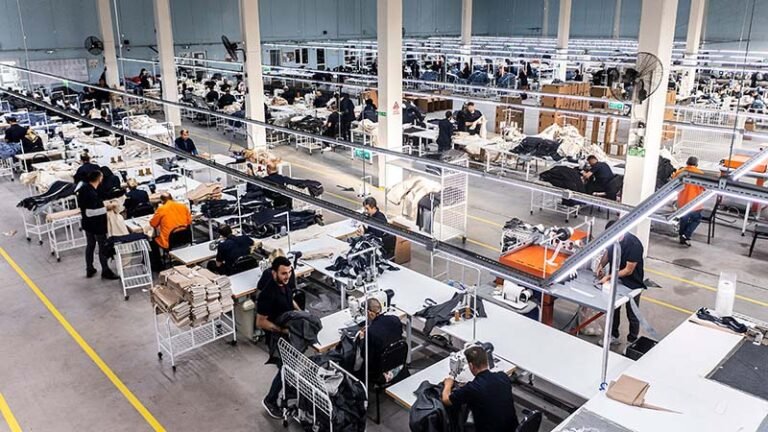
Yes, absolutely, if you can. It is the single best way to verify their capabilities, see the working conditions, and meet the team you will be working with. If an in-person visit is not possible, ask for a live, detailed video tour. Ask them to show you the cutting tables, the different sewing lines (flatlock, etc.), the QC station, and examples of finished products for other clients.
4. What is the difference between working directly with a factory versus a trading company?
A factory, like Wearzio, owns the production facility and does the manufacturing in-house. You communicate directly with the people making your product. A trading company (or sourcing agent) is a middleman. They do not own a factory; they connect you with one and manage the process for a fee or commission. Working directly with a factory usually offers better communication, more control, and lower costs. However, an agent can be helpful for beginners who need help navigating the industry. Always ask: "Do you own the factory where my product will be made?"
5. How long does the manufacturing process take from start to finish?
You should plan for a timeline of 90 to 120 days. This is a realistic timeframe from when you approve the final sample to when the goods are ready to ship. A typical breakdown looks like this:
- Fabric & Trim Sourcing: 20-30 days
- Pre-Production Sample: 10-15 days
- Bulk Production: 30-45 days
- Quality Control & Packing: 5-10 days
A reliable manufacturer will provide you with a detailed production calendar so you can plan accordingly.
Conclusion
Choosing a manufacturer is about finding a partner, not just a supplier. Focus on their technical skill, proven quality systems, and transparent communication to build a brand that lasts.