.png)
High MOQs feel like a huge gamble for your new brand. Ordering too much inventory could bankrupt you, but ordering too little means missing out on sales. It is a tough position to be in.
Decide on your MOQ by balancing the factory's minimums (often 300-500 pieces) with your budget and risk. Start with one hero product in two core colors to meet the minimum without overextending your cash flow while you test the market.
When I first started Wearzio, my "MOQ" was one. I worked on a single garment at a time for local clients. But when I began working with brands, I had to learn the economics of production. I quickly realized that making 100 leggings is not simply 100 times the work of making one. There are huge setup costs. Understanding this is the first step for a new brand owner like you. The MOQ is not a random number a factory uses to scare you away; it is a number rooted in the real costs of manufacturing. Let's break down why it exists and how you can navigate it.
Why Do Manufacturers Have Minimum Order Quantities?
MOQs seem like an arbitrary barrier designed to block small brands. You feel frustrated, as if factories do not want to work with the next big thing. This is a common feeling.
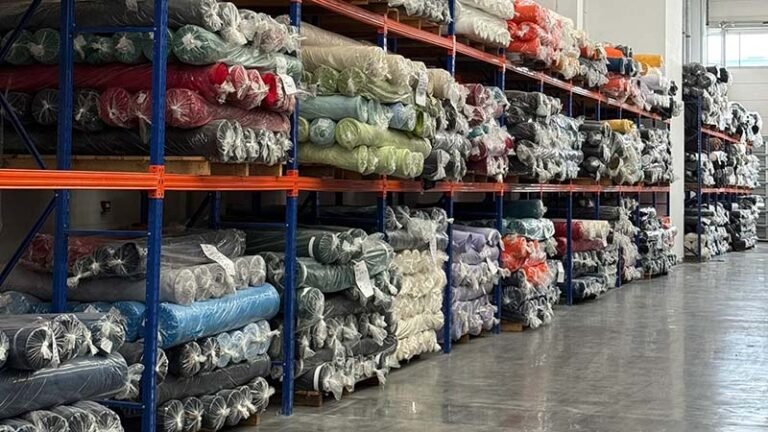
MOQs exist to cover the high, fixed costs of production setup. These costs include fabric mill minimums for custom colors, cutting machine setup, and configuring the specialized sewing line for your unique design, which are the same for 50 pieces or 500.
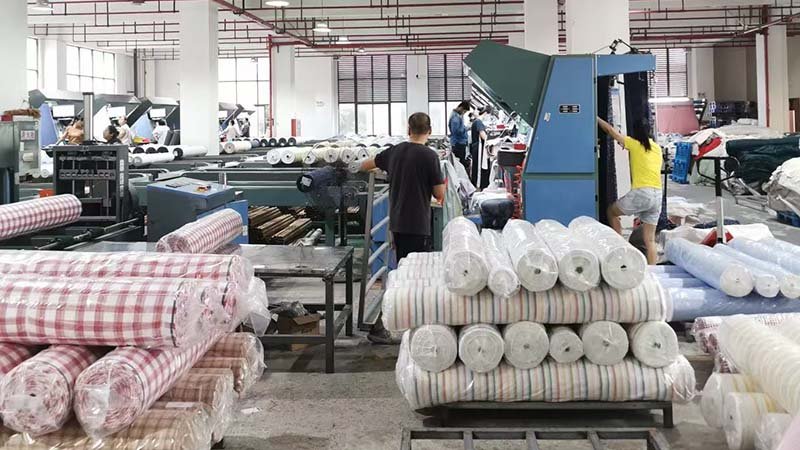
Imagine we are baking cookies. The work of buying flour, preheating the oven, and mixing the dough is the same whether we bake one dozen or ten dozen cookies. This initial work is the "setup cost." In apparel, our setup costs are much higher. We cannot just buy 10 meters of a custom-dyed fabric; the fabric mill requires us to buy a full roll, which might be enough for 300 garments. The time it takes my team to create a cutting marker and set up the sewing line is the same, no matter the quantity. Spreading these fixed costs over a larger number of units is the only way to make the per-piece price affordable for you and sustainable for us.
The Real Costs Behind the Minimum
An MOQ is a direct reflection of these upfront investments. The costs must be covered before a single stitch is sewn.
- The Cost of Fabric: Fabric mills have their own MOQs for custom dyeing. If your brand wants a specific Pantone color for your leggings, we have to order a dye lot of at least 300-500 kilograms of fabric. Ordering less is often not possible or is incredibly expensive.
- The Cost of Setup: Before we sew, a lot of technical work happens. We grade your pattern for all sizes, create a digital "marker" to plan the cuts for minimal fabric waste, and then lay out and cut the fabric. This process can take a team of people several hours. This labor cost is the same for a small or large batch.
| Cost Component | Cost for 50 Units | Cost for 500 Units | Per-Unit Impact |
|---|---|---|---|
| Custom Fabric Order | $3,000 | $3,000 | $60/unit vs. $6/unit |
| Cutting & Setup Labor | $500 | $500 | $10/unit vs. $1/unit |
| Total Setup Impact | Fixed costs kill profitability. | Fixed costs are spread thinly. | Price becomes viable. |
What is a Realistic MOQ for a New Activewear Brand?
You are getting wildly different MOQ quotes from different factories. It is confusing, and you do not know what is a fair number or what is a red flag for your startup.
A realistic MOQ from a true activewear specialist is 300-500 pieces per style, per color. If a factory offers a much lower number, like 50 pieces, be cautious. They may not be a specialist, or the final price per piece will be extremely high.
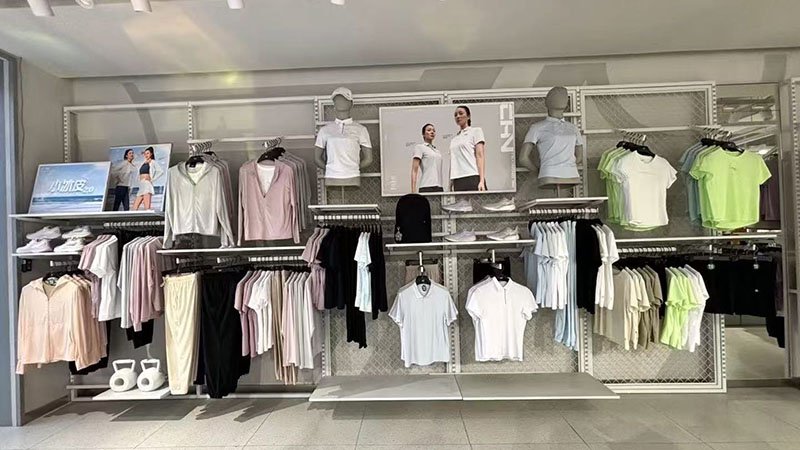
When you are making activewear, you are not just making clothing; you are engineering a piece of performance equipment. It requires specific, expensive machinery like flatlock and bonding machines. It requires workers who are highly skilled in handling difficult, stretchy fabrics. A factory that has invested in these special capabilities cannot afford to set them up for a tiny run of 50 pieces. The economics simply do not work. So, when you see that 300-500 number, do not see it as a barrier. See it as a sign that you are talking to a professional factory that understands the technical demands of your product. This is a good thing for the quality of your brand.
Understanding the MOQ Trade-Off
The MOQ is directly tied to your price per unit. This is the fundamental trade-off that every brand owner must manage.
- The "Specialist" Factor: A general t-shirt factory uses simple machines. An activewear specialist uses complex, multi-needle machines that require more time to thread and configure for a specific design. This specialized setup time is a key reason for a higher MOQ.
- The MOQ vs. Price Relationship: This is a simple but critical rule. As the order quantity goes up, the price per unit goes down. This is because all those fixed setup costs are divided by a larger number of units. As a startup, you must decide what you can afford, both in terms of total upfront investment and your target profit margin per piece.
| MOQ Level | Typical Per-Unit Price | Pros | Cons |
|---|---|---|---|
| Very Low (50-100) | Extremely High (3-4x Bulk) | Low upfront investment. | Very low/no profit margin. Factory may not be a specialist. |
| Startup Standard (300-500) | Competitive Bulk Price | Good balance of investment and profit. A sign of a specialist factory. | Higher upfront investment and inventory risk. |
| Established Brand (1000+) | Lowest Possible Price | Maximum profit margin per piece. Economies of scale. | Very high upfront cost. Significant inventory risk. |
How Can You Strategically Plan Your First Production Batch?
You need to meet the factory's MOQ, but your budget is tight. The thought of ordering 500 pieces of a product you have not sold yet is terrifying and keeps you up at night.
Plan your first batch by focusing on a "hero" product. Instead of launching five different styles, produce your single best design in just one or two core colors. This allows you to meet the 300-500 unit MOQ and test the market with minimal risk.
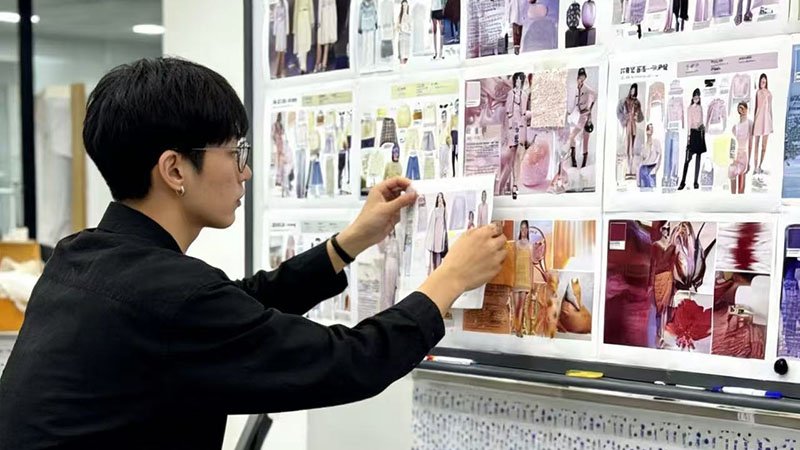
I have seen too many passionate founders try to launch with a full collection. They want a legging, a sports bra, a tank top, and a jacket, all in three different colors. This immediately multiplies their MOQ and their financial risk. The most successful startups I have worked with do the opposite. They launch with just one or two amazing products that perfectly represent their brand. They focus all their energy and budget on making that one product perfect and marketing it effectively. This "narrow and deep" strategy is the smartest way to start. It lets you test your brand concept without betting the entire farm.
Smart SKU Management for Startups
An SKU, or Stock Keeping Unit, is a specific item's code for size and color. Managing your SKU count is key to managing your risk.
- Focus on Your "Hero" Product: What is the one item that, if you get it right, will define your brand? Is it the perfect squat-proof legging? A super-supportive sports bra? Pour your resources into that.
- Limit Your Variables: Every new style, every new color, and every new size you add creates more SKUs and more complexity.
- Example 1 (Risky): 3 styles x 3 colors x 4 sizes = 36 SKUs
- Example 2 (Smart): 1 style x 2 colors x 4 sizes = 8 SKUs
The smart approach is much easier to manage from an inventory and cash flow perspective.
| Production Strategy | Breakdown (500 Unit MOQ) | Total Investment | Risk Level |
|---|---|---|---|
| Wide & Thin | 5 styles, 1 color each. Order 100 units per style. | Very High. (5 x MOQ setup costs) | Extremely High. You have 5 unproven products. |
| Deep & Narrow | 1 style, 2 colors. Order 250 units per color. | Manageable. (1 x MOQ setup cost) | Low. You test your best idea and learn from the market. |
Frequently Asked Questions
1. Can I split the MOQ of 500 pieces across multiple colors?
Yes, often you can. A common arrangement is to split the total MOQ across 2-3 colorways, as long as the quantity per color is reasonable (e.g., at least 150-250 pieces). This is because the cutting and sewing process is the same for each color, but the factory has to manage separate dye lots for the fabric.
2. What happens if I don't sell all my inventory from the first batch?
This is a normal part of business. The key is to order conservatively on your first run. Having some unsold stock is better than selling out instantly and having no product for months. Use the unsold inventory for marketing, giveaways, or a future sale. The sales data, even from what didn't sell, is valuable information for planning your next production run.
3. Do I have to pay for the full production order upfront?
No, a standard payment term is a 30-50% deposit when you place the order, and the remaining 50-70% balance when the production is complete and has passed inspection, but before it is shipped. This protects both you and the manufacturer. Be very wary of any factory that demands 100% payment upfront.
4. Is it cheaper to order more sizes within the MOQ?
The number of sizes (e.g., XS, S, M, L, XL) does not typically change the per-piece cost. The process of grading the pattern for different sizes is a one-time setup cost. However, you do need to decide on the size breakdown within your total order quantity. For a new brand, a "bell curve" is common: 10% XS, 20% S, 40% M, 20% L, 10% XL.
5. Should I place a re-order before I have sold all my first batch?
Yes, you should. The production process takes 90-120 days. If you wait until you are sold out, you will have a long period with no stock, which can kill your brand's momentum. A good rule of thumb is to consider placing a re-order when you have sold through about 50-60% of your first batch of inventory.
Conclusion
Deciding on your MOQ is a strategic balance. It balances the factory's needs, your budget, and smart market testing. To start, focus on one hero product to manage risk.