.png)
You have a great idea for an activewear line, but the production process feels like a black box. This makes choosing a partner difficult. I will show you how it works.
Sportswear production begins with your design concept. This is turned into a technical plan, or tech pack. From there, we source fabrics, create patterns, and sew a sample. After your approval, we begin bulk production: cutting, sewing, adding details like logos, and performing strict quality checks before packing.
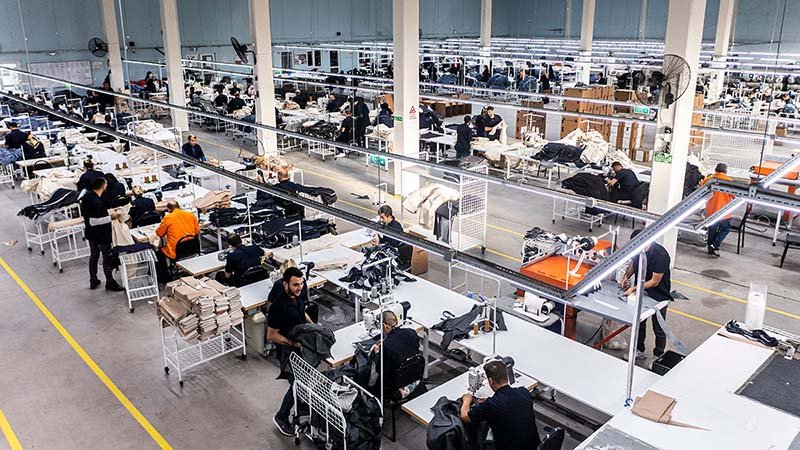
I started Wearzio in a small studio, sewing for local brands. Over the years, I have seen every part of this process up close. I have helped many brands, just like yours, turn their vision into high-quality garments. It is a journey that requires attention to detail at every turn. I want to share my knowledge with you, so you feel confident in every step. Let's look closer at what it really takes to create performance apparel that your customers will love.
What are the key stages in sportswear production?
Feeling lost in the complex steps of manufacturing? One missed step can cause major delays and cost you money. Let's break down the production journey into clear, manageable stages.
The main stages are design and tech pack creation, fabric sourcing, pattern making, sampling, bulk cutting, and sewing. After assembly, we add prints or logos, conduct thorough quality control, and finally, press and pack the garments for shipment. Each step builds on the last.
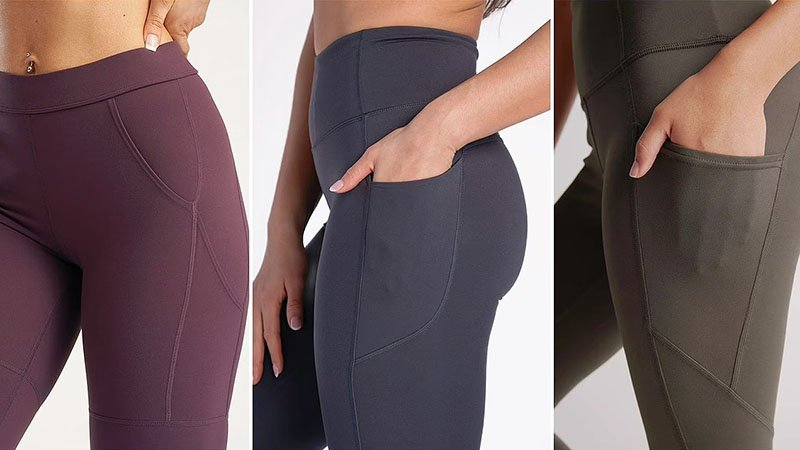
Every sportswear piece begins as an idea. But to make that idea real, we need a precise plan. In my experience, the most successful projects always start with a clear and detailed roadmap. We follow a proven path to make sure nothing is left to chance, from the first stitch to the final package. It’s a systematic process that ensures quality and consistency.
From Concept to Cutting
The early stages are all about planning. This is where your vision gets translated into a technical blueprint that our machines and artisans can follow. A strong foundation here prevents costly mistakes later on. For instance, I once worked with a brand that was unsure about their measurements. We took the time to create a perfect sample, and it saved them from producing a whole batch of ill-fitting leggings.
Assembly and Finishing
Once the fabric is cut, the pieces come together. This is where the garment takes shape. It’s more than just sewing; it's about using the right techniques to ensure the clothing performs as expected. Finally, we add the branding elements that make the product uniquely yours.
Here is a simple table outlining the core production stages:
| Stage | Purpose | My Key Tip |
|---|---|---|
| 1. Design & Tech Pack | Creating the blueprint for the garment. | A detailed tech pack is your most important document. Be specific! |
| 2. Fabric Sourcing | Choosing the right performance material. | Always request fabric swatches. You need to feel the material yourself. |
| 3. Pattern Making & Grading | Creating templates for every size. | A good pattern is the foundation of a great fit. Don't rush this. |
| 4. Prototyping/Sampling | Testing the design, fit, and fabric. | Never skip the sample stage. This is your chance to catch mistakes early. |
| 5. Bulk Production Cutting | Cutting fabric for the entire order. | Precision here is vital. We use automated cutters to reduce waste. |
| 6. Sewing/Assembly | Stitching the garments together. | Check the stitch type. Flatlock seams prevent chafing in activewear. |
| 7. Printing/Embroidery | Adding logos and designs. | The application method affects durability. Screen printing and heat transfer are common. |
| 8. Final Checks & Packing | Final inspection, pressing, and packing. | How the product is presented matters. A neatly packed item shows quality. |
How do you choose the right materials for performance?
Your design is perfect, but the wrong fabric will disappoint your customers. Activewear that doesn't wick sweat or stretches out of shape can ruin a brand's reputation. I'll help you select fabrics that perform.
Choose materials based on the activity. For high-sweat workouts, you need moisture-wicking polyester. For yoga, you need a fabric with high spandex content for flexibility. Always consider breathability, durability, four-way stretch, and how it feels on the skin. This ensures function and comfort.
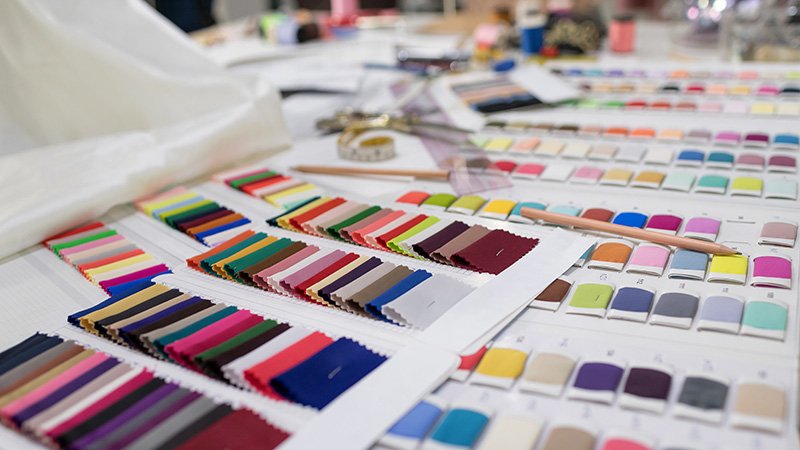
The fabric is the heart of any piece of sportswear. It's the first thing your customer feels and the element most responsible for performance. I’ve spent countless hours sourcing and testing materials. I know that what works for a running short is completely wrong for a yoga top. The secret is to match the fabric’s properties directly to the needs of the athlete. A beautiful design is not enough; the garment has to function.
Understanding Fabric Properties
Every fabric has unique characteristics. Some are great at managing moisture, while others are known for their incredible stretch. Understanding these properties is the first step. For example, "moisture-wicking" isn't just a marketing term. It refers to a fabric’s ability to pull sweat away from the skin to the fabric's surface, where it can evaporate. This keeps the wearer dry and comfortable.
Matching Fabric to Activity
Once you understand the properties, you can choose the right blend for your product. A cyclist needs compression and stretch, while a hiker might prioritize temperature regulation and odor resistance. This is where working with an experienced manufacturer helps. We can guide you to the perfect material blend that balances performance, feel, and cost.
Here’s a breakdown of common sportswear fabrics:
| Fabric | Key Properties | Best For | My Insight |
|---|---|---|---|
| Polyester | Durable, moisture-wicking, wrinkle-resistant | Running, gym workouts, team sports | This is the workhorse of sportswear. It blends well with other fibers like spandex to add stretch. |
| Spandex (Lycra/Elastane) | Excellent four-way stretch and recovery | Yoga, cycling, compression wear | The percentage really matters. 5-10% adds comfort stretch, while 15-25% provides true compression. |
| Nylon | Lightweight, strong, quick-drying | Swimwear, outerwear, leggings | It often has a smoother, silkier feel than polyester but can be less breathable if not blended well. |
| Merino Wool | Naturally moisture-wicking, odor-resistant, soft | Hiking, skiing, cold-weather base layers | A fantastic natural fiber. It's more expensive but offers incredible comfort and performance. |
What quality control measures are essential for sportswear?
Do you worry about receiving an order with inconsistent sizes or weak seams? One bad batch can damage your brand's reputation and lead to angry customers and costly returns. Let me show you what to demand from a manufacturer.
Essential quality control (QC) happens at multiple stages. It must include fabric inspection before cutting, in-line checks during sewing for stitch quality, and a final, detailed inspection of finished garments for measurements, defects, and construction before they are packed and shipped.
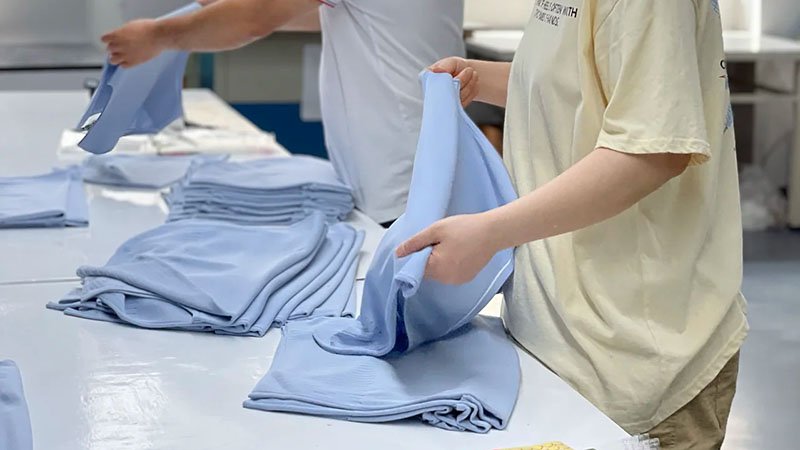
In my early days, I learned a hard lesson. A single roll of faulty fabric can ruin an entire production run. From that day on, I built my process around the idea that quality cannot be inspected into a product at the end. It has to be built in from the very beginning. For your brand's success, you must partner with a manufacturer who sees quality control not as a single step, but as a constant process.
Quality Control Before and During Production
The best time to catch a problem is before it gets multiplied. We inspect fabrics for flaws as soon as they arrive. We test them for shrinkage and color consistency. During sewing, our line supervisors check for correct stitch tension and seam durability. This is called "in-line" inspection. It stops a small mistake from becoming a big one. It's much easier to fix one garment on the sewing line than to recall a thousand finished ones.
Quality Control After Production
After a garment is fully assembled, it goes through a final inspection. We use a system based on AQL (Acceptable Quality Limits), an industry standard for checking a statistical sample of the batch. We check against your tech pack for correct measurements, look for any visual defects like loose threads, and test things like zippers and drawstrings. Some garments even go through wash and wear tests to ensure they hold up in the real world. This final check is our promise to you that what you receive matches what you ordered.
Here are the key QC checkpoints we never miss:
| QC Stage | What We Check | Why It's Critical |
|---|---|---|
| Pre-Production | Fabric defects, color consistency, weight (GSM) | This prevents faulty materials from ever entering production. It’s the most important first step. |
| In-Line (During Production) | Stitch quality, seam strength, logo placement | Catches errors as they happen, preventing the same mistake from being repeated on hundreds of units. |
| Final Inspection (AQL) | Final measurements, garment construction, loose threads | This is the final gatekeeper. It ensures the batch as a whole meets your quality standards. |
| Performance Testing | Stretch tests, colorfastness, wash tests | Confirms the garment will perform for the end-user and the colors won't bleed or fade. |
Conclusion
Making great sportswear is a partnership. It relies on a clear process, the right materials, and constant quality checks. Now you know exactly what to look for in a m