.png)
Finding the right fabric for your activewear feels impossible. A bad choice means unhappy customers and a failed collection. I will guide you through the sourcing process step-by-step.
First, identify your fabric needs based on the activity. Then, find suppliers through trade shows, online directories, or a manufacturing partner. Next, request and rigorously test physical swatches for performance. Finally, confirm the technical specifications like GSM and fiber content before placing your order.
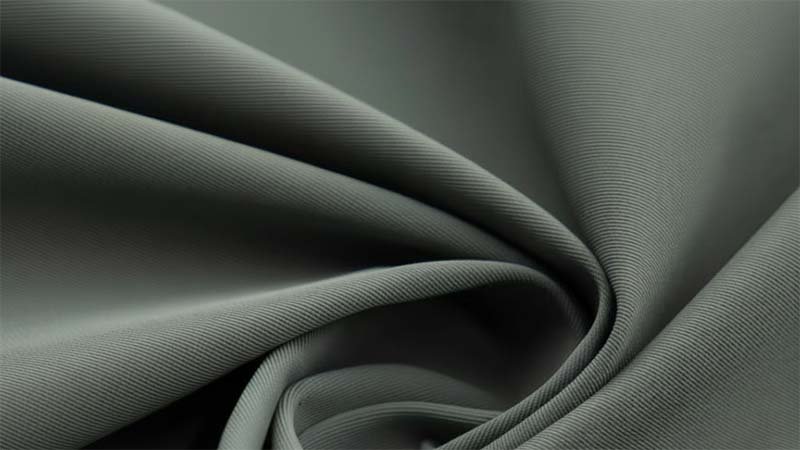
The soul of any activewear garment is its fabric. When I started my journey in a small sewing studio, I learned this quickly. The best design in the world will fail if the material doesn't stretch, breathe, or manage sweat properly. I have spent years building relationships with fabric mills and learning the science behind performance textiles. It can be a confusing world for new brand owners. My goal is to make it simple for you, so you can choose materials with the same confidence that I do.
Where do you even begin to find fabric suppliers?
You have a vision for the perfect legging, but an endless sea of online suppliers makes it hard to know who to trust. Choosing the wrong source can lead to delays and poor quality.
Start by deciding if you will work directly with a fabric mill, a wholesaler, or a manufacturing partner. Mills offer customization but have high minimums. Wholesalers have lower minimums but less choice. A manufacturing partner often has established relationships with the best mills.

Finding a reliable supplier is about knowing where to look and understanding the pros and cons of each option. In my experience, many new brands try to contact huge fabric mills directly. They often get frustrated by the high Minimum Order Quantities (MOQs) and slow communication. The truth is, the sourcing landscape has different paths suited for different scales. As a manufacturer, a huge part of my job is to be a bridge for brands like yours, connecting you to world-class materials without the impossible minimums.
Your Sourcing Options
There are three main avenues for sourcing fabric. Each has its advantages. For a startup, flexibility is often more important than the absolute lowest price per yard. You need a supplier who is willing to work with your initial order size.
Choosing the Right Path for Your Brand
Your choice will depend on your budget, order volume, and need for custom materials. If you are just starting out, working with a wholesaler or a full-service manufacturer like Wearzio is often the smartest choice. We can provide access to a wide library of pre-vetted, high-performance fabrics at manageable MOQs. This lets you focus on design and marketing.
Here is a simple comparison of your options:
| Supplier Type | Best For | Pros | Cons |
|---|---|---|---|
| Fabric Mills | Large, established brands | Customization, best price per yard | Very high MOQs, long lead times |
| Wholesalers | Small brands needing stock fabrics | Low MOQs, fast delivery | Limited selection, no customization |
| Manufacturer/Agent | New and growing brands | Access to many mills, expert advice, low MOQs | Price per yard may be slightly higher |
How do you properly test and verify fabric quality?
You receive a fabric swatch that feels great in your hand. But will it hold its shape after a tough workout and ten washes? Guessing can lead to a product that disappoints customers.
You must perform physical tests. First, do a wash test to check for shrinkage and color bleeding. Next, conduct a stretch and recovery test to ensure it snaps back into shape. Finally, perform an abrasion test by rubbing the fabric against itself to check for pilling.
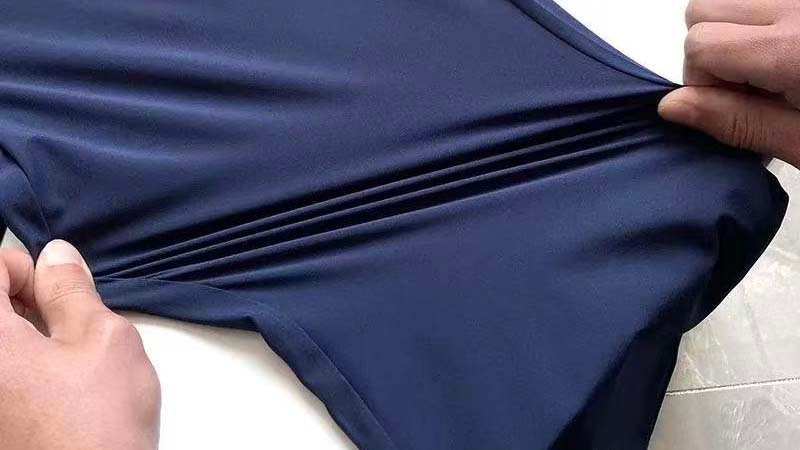
A fabric sample is more than just a small square of material; it is a promise from the supplier. It is your job to verify that promise. I once worked with a brand that fell in love with a beautiful, soft fabric. It looked perfect. But when we washed the first sample, it shrank by over 10%. That discovery saved them from producing thousands of garments that would have become unwearable. Never, ever skip the testing phase. Your brand's reputation depends on it.
The Home Lab Tests
You do not need a fancy laboratory to do effective testing. You can learn almost everything you need to know with a few simple, hands-on tests. Treat the swatch like your customer would treat the final garment. Be tough on it. Does the color fade in the sun? Does it hold odor after you get it wet?
What to Look For
Focus on the key performance indicators for activewear. It must be durable, comfortable, and functional. A fabric that fails any of the basic tests is an immediate red flag. A great supplier will be happy to provide you with larger swatches specifically for this kind of rigorous testing.
Here are the essential tests to perform on every sample:
| Test | How to Perform It | What It Checks For |
|---|---|---|
| Wash Test | Wash and dry the swatch at least 3-5 times. Measure it before and after. | Shrinkage, color bleeding, and pilling. |
| Stretch & Recovery Test | Pull the fabric firmly in all directions. See if it returns to its original shape instantly. | Four-way stretch and shape retention (prevents bagging). |
| Moisture-Wicking Test | Place a drop of water on the fabric. See how quickly it spreads and absorbs. | The fabric's ability to pull sweat away from the skin. |
| Abrasion (Pilling) Test | Vigorously rub two parts of the fabric together for 30 seconds. | Durability and resistance to forming small balls of fiber (pills). |
What technical specifications should you actually understand?
You are looking at a spec sheet filled with terms like "GSM," "denier," and "composition." This technical jargon can feel overwhelming. Not understanding it can lead you to choose the wrong material.
Focus on three key specs. First is GSM (Grams per Square Meter), which tells you the fabric's weight and opacity. Second is composition (e.g., 80% Polyester, 20% Spandex), which dictates performance. Third is construction (e.g., knit or woven), which affects stretch and texture.

These technical terms are the language of textiles. You do not need to be an expert, but understanding the basics is essential for communicating with your supplier and making informed decisions. Think of it like a recipe. The composition tells you the ingredients, and the GSM tells you how much of each ingredient is used. I help my clients translate their vision—"I want a squat-proof, buttery-soft legging"—into the precise technical specifications needed to create it, like a 250 GSM, 75/25 Nylon/Spandex blend.
Decoding the Spec Sheet
Let's break down what these terms really mean for your product. A higher GSM generally means a thicker, more opaque fabric, which is great for leggings. The percentage of Spandex (also called Lycra or elastane) directly relates to how much the fabric will stretch. For a high-performance compression garment, you will want a higher percentage of spandex.
Why It Matters for Your Brand
Knowing these details allows you to have intelligent conversations with your manufacturing partner. It ensures there is no miscommunication about the final product. It also allows you to maintain consistency across different production runs. If you have a best-selling product, you need to be able to reorder the exact same fabric to keep your customers happy.
Here are the key technical terms you should know:
| Technical Term | What It Means | Why It's Important for Activewear |
|---|---|---|
| GSM (Grams per Square Meter) | The weight and density of the fabric. | Higher GSM (220+) is less see-through (squat-proof). Lower GSM is more lightweight and breathable. |
| Composition | The blend of fibers used (e.g., Polyester, Spandex). | Determines the core performance features like moisture-wicking (Polyester) and stretch (Spandex). |
| Construction | How the fabric is made (e.g., knit, woven). | Knits (like jersey) are naturally stretchy and ideal for most activewear. Wovens are more structured. |
| Denier | The thickness of an individual fiber. | A lower denier often results in a softer, silkier-feeling fabric. |
Conclusion
Sourcing the right fabric is a critical step. By methodically finding suppliers, testing samples, and understanding key specs, you can confidently choose materials that will make your activewear brand successful.