.png)
Choosing the wrong fabric can turn a brilliant design into a customer complaint. Your brand's reputation is on the line when a legging goes sheer or a top feels like a wet towel after a workout.
The best gym wear fabrics balance four key functions: moisture-wicking, four-way stretch, durability, and breathability. Synthetics like polyester and nylon blended with spandex are popular because they excel in these areas, providing the performance and comfort modern athletes demand.

A new brand owner once came to me, excited about a new line of leggings. His designs were great, but he was certain he wanted them made from 100% organic cotton. He loved the story of a natural material. I had to gently explain that for a high-intensity workout, cotton would become his customer's worst enemy. It would soak up sweat and become heavy and cold. We worked together to find a recycled polyester blend that offered incredible performance but also aligned with his brand's sustainable values. The fabric is not just a material; it is the heart of the garment. Understanding it is the foundation of a great activewear brand.
What are the Core Properties of a Great Activewear Fabric?
You hear terms like "moisture-wicking" and "compression," but they feel like marketing jargon. If you do not understand what they really mean, you cannot choose the best fabric for your customers.
A great activewear fabric must manage sweat (moisture-wicking), move with the body (stretch), withstand workouts (durability), and allow heat to escape (breathability). These four properties work together to create a high-performance garment that feels like a second skin.
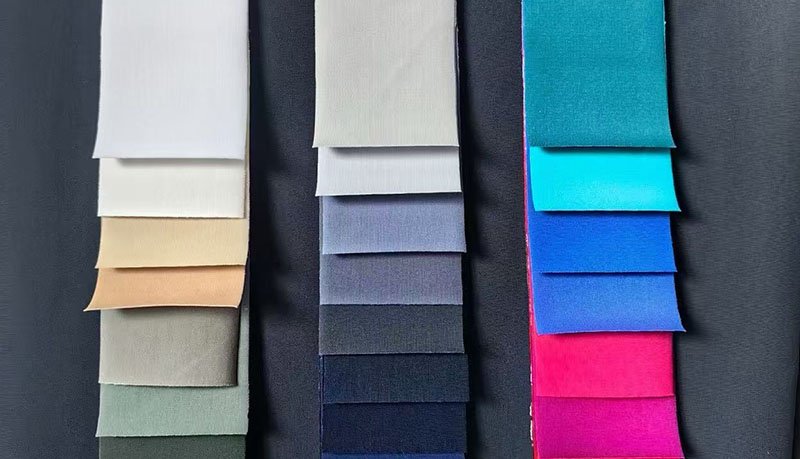
Choosing a fabric is like building a team. You need players with different skills that all work together towards one goal: performance. You cannot have just one of these properties. A fabric that stretches but is not breathable will feel like a plastic bag during a workout. A durable fabric that does not stretch will split at the seams during a squat. The magic happens when you find a material that balances all four of these pillars. This is what separates a cheap, simple garment from a premium piece of activewear that people will pay more for and recommend to their friends. It is a science, and as a brand owner, you are the chief scientist.
The Four Pillars of Performance
Let's break down exactly what these properties mean for your customer.
- Moisture-Wicking: This is the most critical feature. A wicking fabric has a capillary action that pulls sweat away from the skin and pushes it to the outer surface of the fabric, where it can evaporate quickly. This keeps the wearer dry, comfortable, and light. It is the opposite of absorbent fabrics like cotton, which hold moisture against the skin.
- Four-Way Stretch & Recovery: Active bodies move in all directions. Four-way stretch means the fabric stretches both crosswise and lengthwise. Just as important is "recovery," which is the fabric's ability to snap back to its original shape. Good recovery prevents leggings from getting baggy at the knees or losing their supportive feel over time. This quality comes from blending fabrics with elastane fibers.
- Durability: Your customers' apparel will be pushed to its limits. Durability means resistance to pilling (those little balls of fiber) and abrasion (from barbells or repeated floor work). A durable fabric looks new for longer, which is a key sign of quality.
- Breathability: Intense workouts generate a lot of heat. Breathability allows air to pass through the fabric, helping to regulate body temperature and prevent overheating.
| Property | What It Does | Why It Matters for the Athlete |
|---|---|---|
| Moisture-Wicking | Pulls sweat away from the skin. | Keeps you dry, prevents chafing, feels lightweight. |
| Stretch & Recovery | Moves with you and snaps back. | Allows full range of motion without restriction or bagging. |
| Durability | Resists pilling and abrasion. | Garment lasts longer and maintains its appearance. |
| Breathability | Lets air and heat escape. | Prevents overheating and improves comfort. |
Which Synthetic Fabrics Dominate the Gym Wear Market?
You see "polyester" and "nylon" on almost every activewear label. It is easy to think they are just cheap, generic plastics, which can feel uninspiring for a premium brand.
Polyester and nylon are the workhorses of activewear due to their exceptional durability, moisture-wicking, and colorfastness. Blended with spandex (for stretch), they create the ideal fabrics for leggings, sports bras, and tops that can withstand intense workouts and repeated washing.
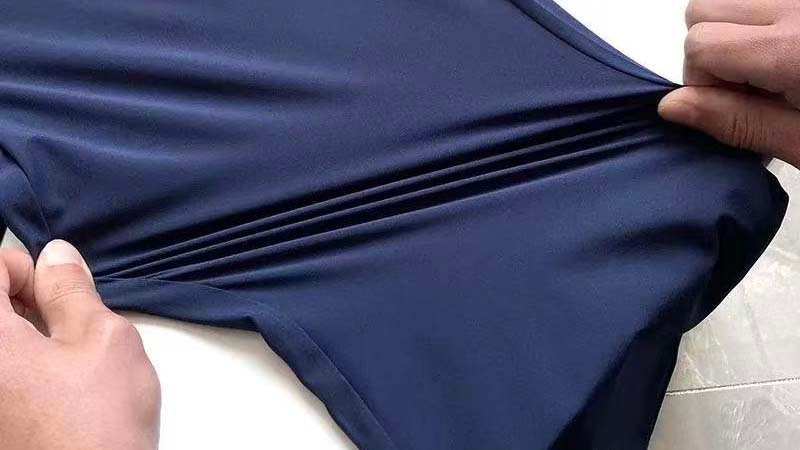
I always tell my clients to think of these fibers as high-tech tools. They are not simple plastics; they are polymers that have been engineered for specific performance benefits. Polyester is hydrophobic, meaning it naturally repels water, which makes it an amazing moisture-wicker. Nylon is known for its silky-smooth hand-feel and incredible strength. When we blend these with a small amount of spandex, we are creating a custom material perfectly suited for athletic movement. Choosing between them is about understanding the small differences in feel and function, and which one best fits the specific product you are designing. They are the building blocks of almost all modern performance wear for a very good reason.
The Champions: Polyester, Nylon, and Spandex
These three fibers form the foundation of the activewear world.
- Polyester (PET): This is the versatile all-rounder. It is highly durable, wrinkle-resistant, and hydrophobic (it hates water), making it a top choice for wicking fabrics. It also holds color exceptionally well, making it perfect for vibrant prints and sublimation. Recycled polyester, often made from plastic bottles, offers the same performance with a better sustainability story.
- Nylon (Polyamide): Often considered the more "premium" option. Nylon has a softer, smoother feel against the skin compared to polyester. It is exceptionally strong and has excellent stretch and recovery, making it a favorite for high-end leggings and seamless activewear. Its main drawback is that it can be more expensive than polyester.
- Spandex (Elastane/Lycra): This is the magic ingredient for stretch. Spandex is never used on its own but is blended in small percentages (usually 10-25%) with other fibers. The higher the spandex content, the more stretch and compression the fabric will have. A legging with 22% spandex will feel much more supportive and compressive than one with 12%.
| Feature | Polyester | Nylon |
|---|---|---|
| Moisture-Wicking | Excellent | Good |
| Hand-Feel | Can be slightly rough | Very soft and smooth |
| Durability | Very Good | Excellent (higher abrasion resistance) |
| Cost | Less Expensive | More Expensive |
| Best For | All-purpose activewear, printed items | Premium leggings, seamless wear, high-contact gear |
Are Natural Fabrics a Good Choice for Activewear?
Your customers are becoming more eco-conscious and are asking for natural materials. You want to meet this demand, but you know that a standard cotton t-shirt is terrible for a real workout.
While traditional cotton is poor for intense exercise, some natural fabrics like Merino wool are excellent. Merino wool is naturally moisture-wicking, breathable, and odor-resistant. It is ideal for base layers, hiking, or yoga, offering a premium and sustainable alternative.
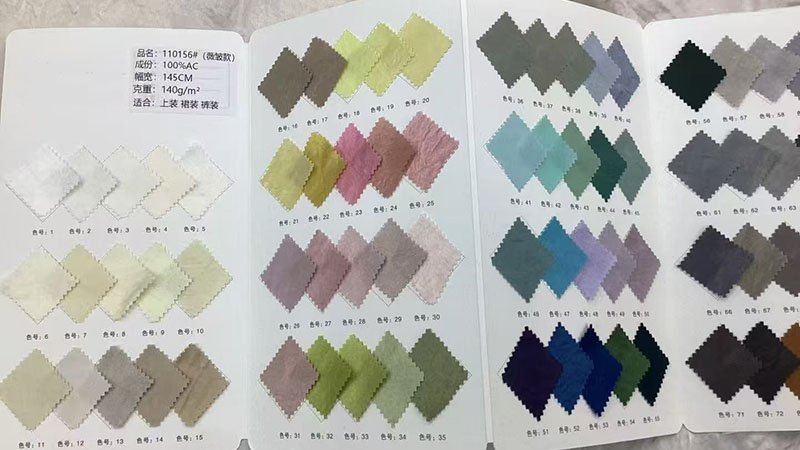
The world of natural fibers is not just about cotton anymore. Technology has shown us how to use some natural materials in a high-performance way. Merino wool is the perfect example. The fibers are so fine that they are not itchy like traditional wool. They have a unique structure that helps manage moisture and temperature in a way that even some synthetics cannot. I have worked with brands creating premium yoga and outdoor lines where Merino is the star. It provides a different kind of luxury and performance. The key is to match the natural fiber to the right activity. It is about offering your customers a thoughtful choice, not just a default one.
The Natural Contenders: Good, Bad, and Complicated
Not all natural fibers are created equal when it comes to performance.
- Cotton (The Bad): For activewear, cotton should be avoided for any activity that produces sweat. It is hydrophilic, meaning it loves water. It absorbs up to 27 times its weight in water, becoming heavy, clingy, and cold. This can lead to chafing and a dangerous drop in body temperature in cool conditions. It is only suitable for pre- or post-workout lifestyle pieces like hoodies and sweatpants.
- Merino Wool (The Good): Merino is a performance powerhouse. Its fibers are much finer than traditional wool, making them soft and itch-free. It is thermoregulating, keeping you warm in the cold and cool in the heat. It can absorb moisture vapor before it even turns to sweat, and it is naturally antimicrobial, meaning it resists odor for days. It is perfect for base layers, hiking apparel, socks, and yoga wear.
- Bamboo (The Complicated): Bamboo fabric is known for its silky softness and breathability. However, the fabric you buy is usually bamboo viscose. The process to transform hard bamboo pulp into soft viscose requires intensive chemical processing. While the raw material is sustainable, the production process can be harmful to the environment if not done in a closed-loop system. It is soft and comfortable for low-sweat activities, but its eco-friendly claims need careful examination.
| Fabric | Best For | Moisture Management | Key Advantage |
|---|---|---|---|
| Cotton | Casual wear, hoodies | Poor (Absorbs sweat) | Soft, cheap, familiar. |
| Merino Wool | Hiking, yoga, base layers | Excellent (Wicks & thermoregulates) | Odor-resistant, temperature regulating. |
| Polyester/Spandex | High-intensity training, running | Excellent (Wicks sweat) | Durable, great stretch, cost-effective. |
Frequently Asked Questions
1. What does GSM mean for fabric?
GSM stands for Grams per Square Meter. It is a measurement of the fabric's weight and density. A lower GSM (e.g., 180) means a lighter, thinner fabric, good for summer tops. A higher GSM (e.g., 280-320) means a thicker, more opaque fabric, which is ideal for squat-proof leggings.
2. Is recycled polyester as good as virgin polyester?
Yes. From a performance standpoint, high-quality recycled polyester is virtually identical to its virgin counterpart. It offers the same durability, moisture-wicking, and colorfastness. Choosing recycled polyester is an excellent way to improve the sustainability of your brand without compromising on quality.
3. What is "compression" fabric?
Compression fabric is a type of knit, usually with a high spandex content (20-30%), that provides a tight, supportive fit. It is designed to apply gentle pressure to the muscles, which some studies suggest can improve blood flow and reduce muscle vibration during exercise, potentially aiding performance and recovery.
4. Why do some leggings "pill"?
Pilling occurs when fibers on the surface of a fabric break and tangle into small knots. It is usually caused by friction during wear or washing. Lower-quality, shorter staple fibers are more prone to pilling. Fabrics like nylon are generally more resistant to pilling than polyester, but fabric construction and finish also play a big role.
5. Can I use sublimation printing on any fabric?
No, sublimation printing works best on fabrics with a high percentage of polyester (at least 80%). The process involves turning a solid dye into a gas that bonds directly with the polyester fibers. It will not work on natural fibers like cotton or nylon, as the dye has nothing to bond with and will just wash out.
Conclusion
Choosing the right fabric is about matching its properties to your customer's activity. Synthetics are best for high-intensity training, while performance naturals like Merino offer a premium alternative for specific uses.