.png)
You have a perfect sample, but the leap to mass production is a confusing maze. A wrong turn means costly delays and mistakes. I will give you a clear roadmap.
The sportswear manufacturing roadmap moves from pre-production (tech packs, sampling) to material sourcing (fabric, trims). It then proceeds to bulk production (cutting, sewing) and finishes with multi-stage quality control before shipment. Each phase has critical milestones for a successful launch.
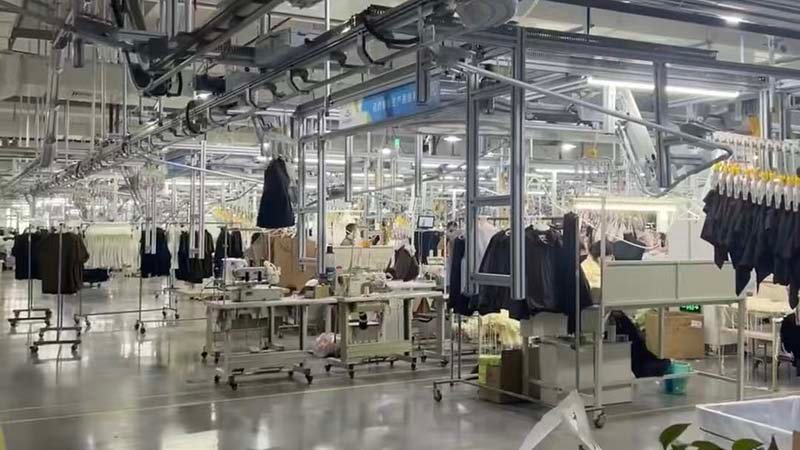
When I started Wearzio, I learned the hard way that a great design is only 10% of the work. The other 90% is managing the production process perfectly. A missed approval or a late fabric delivery can derail everything. This is why I created a detailed roadmap for my partners. It brings clarity and predictability to what can feel like a chaotic journey. A clear plan is the best tool you have. Let's walk through it together, step by step.
What Happens in the Pre-Production and Sampling Stage?
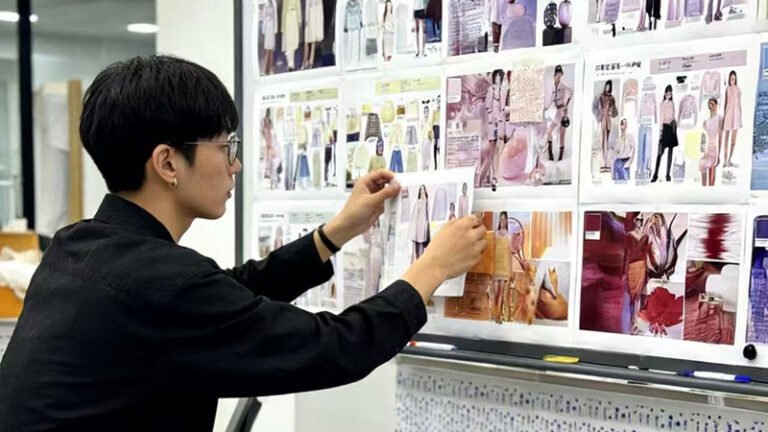
Your design idea is brilliant, but it's just a sketch. You fear the factory will misinterpret it, wasting time and money on bad samples. This stage turns your vision into a concrete plan.
This stage focuses on creating a detailed tech pack with all specifications. We then develop a series of samples: a fit sample to check sizing, and finally, a pre-production sample (PPS) made with the actual bulk materials for your final approval before mass production begins.
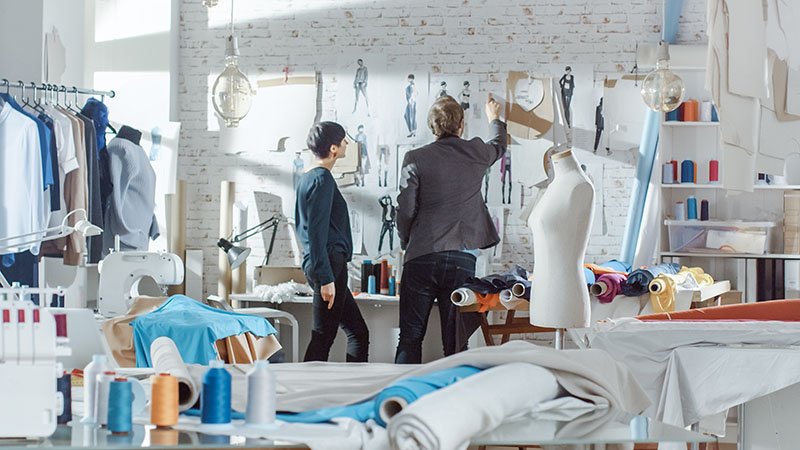
This initial phase is the most important. Everything we do later depends on the work we do here. It is all about communication and turning your creative ideas into a technical blueprint that my team can execute perfectly. There is no room for guessing.
The Tech Pack: Your Blueprint
The tech pack is the single most important document in the entire process. It is the complete guide to creating your garment. A detailed tech pack is the best way to prevent misunderstandings and errors. It should include technical drawings (flats), a full list of materials (fabric, thread, zippers), construction details (like stitch type), and a complete set of measurements for all sizes. When a brand owner like Alex sends me a thorough tech pack, I know we are starting on the right foot.
The Sampling Journey
With the tech pack as our guide, we begin making physical samples. This is often a multi-step process. We might start with a prototype to check the basic concept. Then, we create a fit sample, which you can try on to assess the sizing and cut. After your feedback, we adjust the pattern and create the final, most important sample: the Pre-Production Sample (PPS). The PPS is made with the actual bulk fabric and trims. Your approval of the PPS is the green light for mass production. It is our physical contract.
| Sample Type | Purpose | What We Check |
|---|---|---|
| Prototype/Fit Sample | To confirm the pattern, fit, and sizing. | Measurements, drape, and overall shape on a body. |
| Salesman Sample | To show to buyers or for photoshoots before bulk production. | Visual appearance and final design details. |
| Pre-Production Sample (PPS) | The final, perfect sample for approval before bulk production. | Everything: fabric, color, trims, fit, and workmanship. |
How Does Fabric Sourcing and Material Approval Work?
The right fabric is critical for your sportswear. The options are overwhelming, and you worry about making a poor choice or not getting your custom brand color. This phase is dedicated to finding and approving the perfect materials.
We either source materials from trusted mills based on your tech pack or use our in-stock fabrics. For custom colors, we produce "lab dips," which are small swatches for your approval. Every fabric and trim component is signed off by you before any bulk orders are placed.
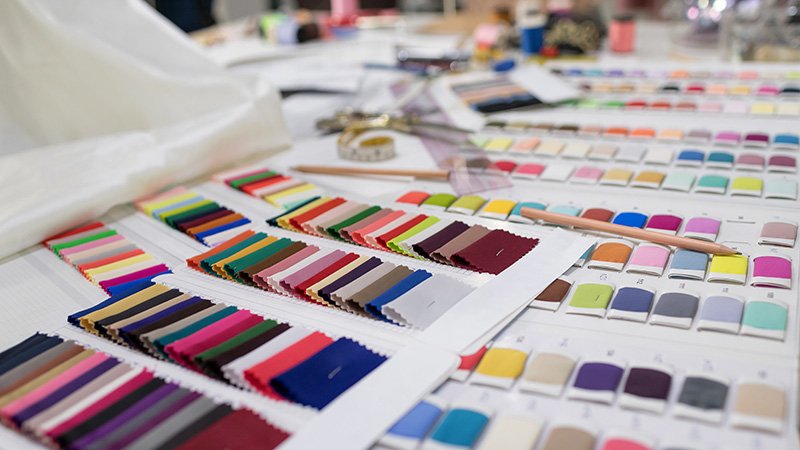
The feel and performance of your garment come from its materials. This stage runs parallel to the sampling process. We cannot make your final PPS until we have the final approved bulk fabric in our hands. This is a critical point where many delays can happen, which is why clear decisions are so important.
Sourcing Your Core Fabric
You have two main paths for fabric. You can choose from our extensive library of in-stock performance fabrics. This is the fastest way and allows for lower MOQs. Or, we can source a completely custom fabric from a mill. This gives you a unique product but involves higher MOQs and longer lead times. My role is to help you weigh these options based on your budget, timeline, and brand goals. We will order small swatches for you to feel and test before making a decision.
Lab Dips and Trim Approval
Getting your brand's unique color just right is essential. Based on your Pantone color code, our dyeing house will produce small sample swatches called lab dips. We will send these to you for approval. It is important to review them under different lighting conditions (natural daylight, indoor light) to be sure. At the same time, we source all the other components, or "trims." This includes zippers, drawstrings, and labels. You will approve every single item before we order them in bulk.
| Sourcing Option | Main Advantage | Main Disadvantage |
|---|---|---|
| Manufacturer's In-Stock Fabric | Fast, low MOQ, proven quality. | Less unique, limited to available colors. |
| Custom Sourced Fabric | Completely unique, exclusive to your brand. | High MOQ, long lead time (can be 4-6 weeks). |
| Custom Color (Lab Dips) | Get your exact brand color. | Adds 1-2 weeks to the sourcing timeline. |
What Are the Steps During Bulk Production and Quality Control?
You approved the final sample. Now you wait, with no visibility into what is happening on the factory floor. This lack of control is stressful. This phase turns your single sample into thousands, with quality checked at every step.
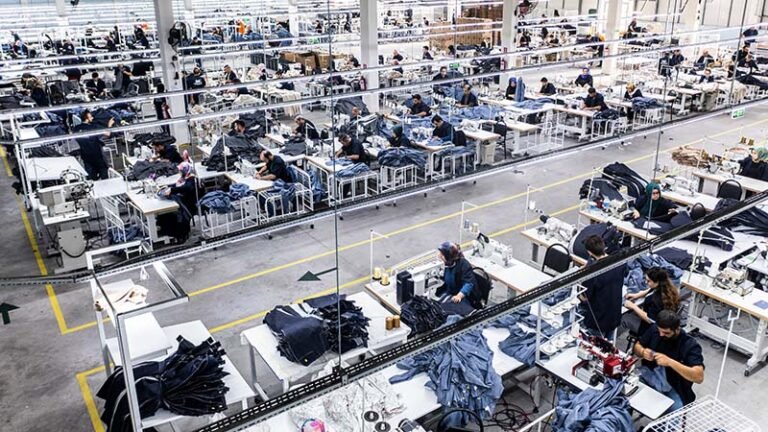
Production starts with cutting the bulk fabric using your approved patterns. Next is the sewing assembly line. We perform in-line quality control during sewing. The final stage is a rigorous post-production inspection and careful packing before the order is shipped to you.
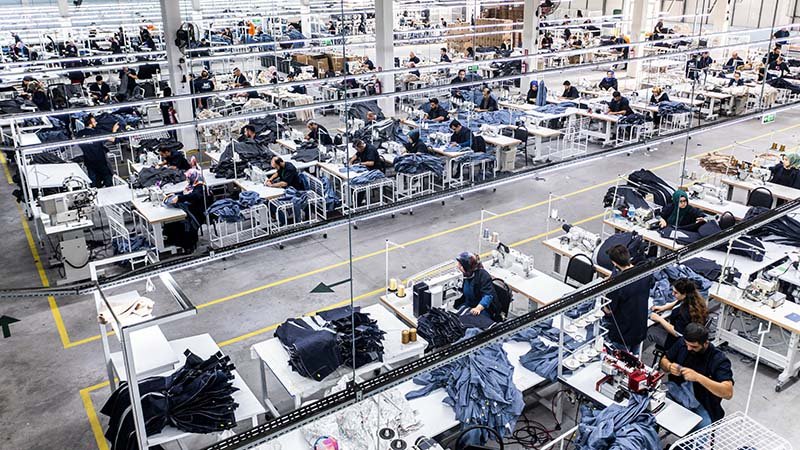
This is where the factory floor comes alive. It is a highly organized process that I have spent my life perfecting. After all the planning and approvals, my team takes over to execute your vision at scale. A transparent partner will keep you updated during this stage, so you are never in the dark.
The Assembly Line in Motion
First, we create a "marker," which is a digital map of how to lay out the pattern pieces on the fabric to minimize waste. Then, automated cutting machines cut hundreds of layers of fabric with perfect precision. The cut pieces are then bundled and sent to the sewing lines. Each sewer on the line has a specific task, like attaching a sleeve or sewing a hem. This specialization ensures high quality and efficiency.
Multi-Stage Quality Control
Quality is not just checked at the end. It is built into the process. We inspect the raw materials when they arrive. We have "in-line" QC inspectors who check garments as they are being sewn. This allows us to catch any issue early and fix it immediately. After a garment is fully assembled, it goes to a final QC station. Here, we conduct a full inspection based on the AQL standard we agreed on. We check everything one last time before ironing, folding, and packing your order for shipment.
| Production Stage | Key Activity | Quality Checkpoint |
|---|---|---|
| Cutting | Fabric is layered and cut by machine. | Check for fabric defects before cutting. |
| Sewing | Garments are assembled on sewing lines. | In-line QC inspectors check for sewing mistakes. |
| Finishing | Trimming threads, adding tags, ironing. | A supervisor checks the finished appearance. |
| Final QC | Statistical inspection of the finished order. | A final AQL inspection for measurements, defects, and packing. |
Conclusion
This roadmap from sample to final shipment gives you control. Understanding each stage—development, sourcing, and production—is the key to launching your sportswear brand successfully and avoiding costly mistakes.