.png)
Your activewear designs look amazing but get poor reviews. Customers complain about comfort and performance. You must focus on the core elements that truly matter for function and feel.
The most essential elements of activewear design are high-performance fabric, an ergonomic fit with durable construction, practical functional features, and a strong brand aesthetic. Getting these four pillars right ensures your apparel performs well and connects with customers.
I've spent my entire career turning ideas into real garments. I’ve seen bright young brand owners with amazing vision struggle because they overlooked a few key details. They focused only on the look, not the feel or function. Their products failed, and their brands suffered. I don’t want that to happen to you. Let’s walk through the essential elements together. Getting these right will help you build an activewear brand that people love to wear.
Why is fabric the most critical choice in activewear design?
You chose a fabric that looks great on the roll. But after one workout, customers complain it’s heavy with sweat and uncomfortable. Your chosen material is failing its primary purpose.
Fabric choice is everything. It dictates comfort, performance, and durability. The right material wicks moisture, offers flexible stretch, and feels good against the skin. Choosing the wrong one can ruin even the best design and damage your brand’s reputation before it even gets started.
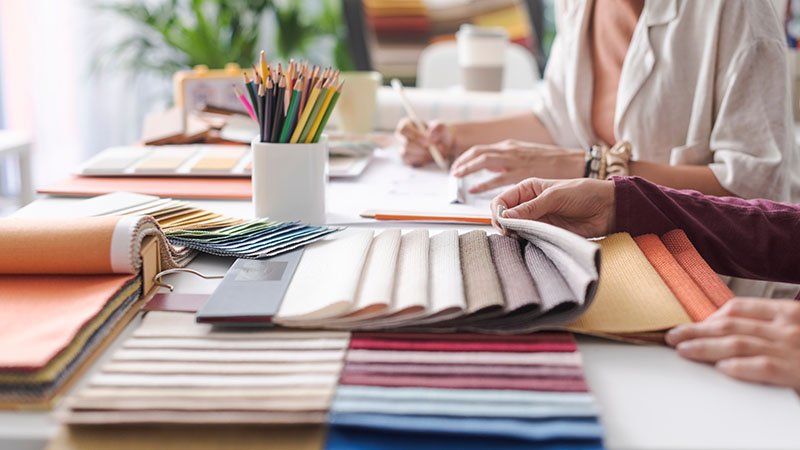
In my early days, I learned a hard lesson about fabric. A new brand wanted the softest material possible for their leggings. We found a beautiful cotton blend. It felt like a cloud. The problem came during wear-testing. After a ten-minute jog, the leggings were soaked, heavy, and saggy. They lost their shape completely. The customer experience was terrible. That day, I understood that for activewear, performance properties must come first. Softness is important, but function is essential. You must balance how a fabric feels with how it performs under stress.
Key Fabric Properties to Consider
When you're looking at fabrics, don't just think about color or texture. You need to analyze their technical specs. The main things to look for are moisture management, stretch, breathability, and durability. These are not just buzzwords; they are the foundation of great activewear. A fabric that excels in these areas will keep your customer cool, dry, and comfortable, allowing them to perform their best.
| Property | Description | Best For |
|---|---|---|
| Moisture-Wicking | Pulls sweat away from the skin to the fabric's surface to evaporate. | High-intensity workouts, running |
| Breathability | Allows air to circulate, preventing overheating. | All activities, especially in warm climates |
| 4-Way Stretch | Stretches both crosswise and lengthwise for maximum freedom of movement. | Yoga, weightlifting, any activity with a wide range of motion |
| Compression | Provides a snug fit that supports muscles and can aid in recovery. | Running, HIIT, post-workout recovery |
How do fit and construction impact activewear performance?
Your design includes standard seams and a generic cut. Customers are now complaining about painful chafing and a poor fit during movement. Your construction method is actively working against the wearer.
The right fit and construction are vital for comfort and movement. An ergonomic fit follows the body’s natural lines, while techniques like flatlock seams prevent skin irritation. Without these, activewear can restrict motion and cause discomfort, undermining the athlete's performance and experience with your brand.
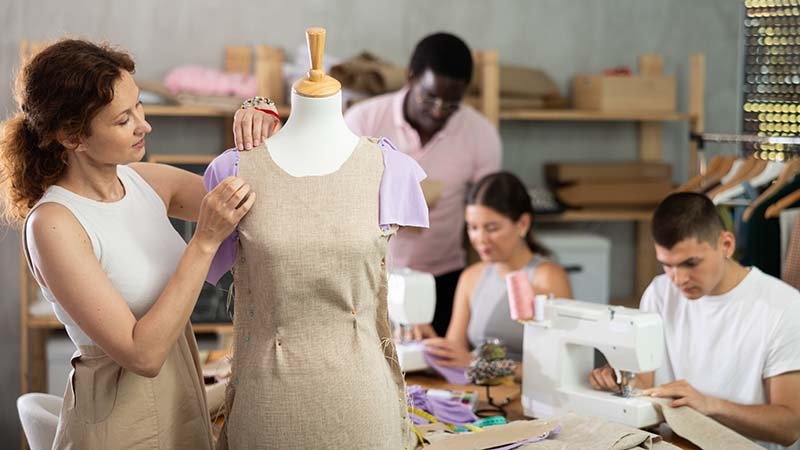
I remember a brand that brought us a prototype for a running top. The design looked sharp, but it used traditional overlock seams, which have a raised edge on the inside. During their first test run, the runner came back with red, angry marks along his sides and under his arms. The constant friction from the seams had rubbed his skin raw. We immediately switched the design to use flatlock stitching, where the seam lays completely flat against the skin. It seems like a small detail, but for an athlete in motion, it makes all the difference between a favorite garment and one that’s never worn again. This experience taught me that how a garment is put together is just as important as what it’s made of.
Essential Construction Techniques
You can't just sew activewear like a normal t-shirt. The construction needs to support intense movement and reduce friction. This is where specialized techniques come into play.
- Flatlock Seams: As I mentioned, these are essential. They create a flat join between fabric panels, so nothing digs into or chafes the skin. They are the standard for high-quality leggings, base layers, and sports bras.
- Gussets: A gusset is a diamond-shaped piece of fabric sewn into the crotch of leggings or shorts. It removes the four-way seam intersection, increasing durability and allowing for much greater freedom of movement during squats or yoga poses.
- Ergonomic Seam Placement: Instead of straight side seams, great activewear often has seams that curve and wrap around the body's muscles. This provides a more anatomical fit, reduces stress on the seams, and can even offer a visually slimming effect.
| Technique | Primary Benefit | Common Application |
|---|---|---|
| Flatlock Stitching | Prevents chafing and skin irritation. | Leggings, compression tops, sports bras |
| Crotch Gusset | Increases range of motion and durability. | Leggings, shorts, athletic pants |
| Ergonomic Seams | Improves fit and follows body contours. | Running tops, cycling jerseys, base layers |
What functional features elevate good activewear to great?
Your activewear is well-made, but it lacks practicality. Customers wish they had a place for their keys or felt safer running at dusk. Your product is functional, but not thoughtful.
Thoughtful features solve real-world problems for the user. Details like hidden pockets for essentials, reflective elements for visibility, and mesh panels for ventilation transform a basic garment into an indispensable tool for an active lifestyle. These features show you understand your customer's needs.
A few years ago, we were developing a new running jacket with a client. The jacket was lightweight and water-resistant, a solid product. But during one of our meetings, a young designer on my team asked, "Where does the phone go?" We had all overlooked it. We ended up adding a zippered pocket on the chest, perfectly sized for a smartphone. Then she asked, "What about headphones?" So we added a small media port inside the pocket to run a cord through. These small additions completely changed the product. It went from just a jacket to a runner's perfect companion. It’s a reminder that we must always think from the customer's point of view. What small problem can we solve for them?
Must-Have Functional Details
Adding features should be purposeful, not random. Each detail should serve a specific need for your target activity. Think about the user's journey from start to finish.
- Pockets: This is a big one. Leggings with side pockets for a phone are extremely popular. Hidden waistband pockets are great for a key or card. Zippered pockets add security for valuables during vigorous activity.
- Ventilation: Strategically placed mesh panels or laser-cut perforations in high-sweat zones (like the back, underarms, or behind the knees) dramatically improve breathability and help regulate body temperature.
- Reflectivity: For anyone who runs, walks, or cycles in the early morning or evening, reflective logos and trim are not just a feature—they are a critical safety element.
| Feature | Purpose | Activity Example |
|---|---|---|
| Hidden Waistband Pocket | Securely store small items like keys or cash. | Yoga, Gym Workouts |
| Mesh Panels | Increase airflow and ventilation in high-sweat areas. | Running, HIIT, Cycling |
| Reflective Trim | Enhance visibility in low-light conditions. | Running, Cycling, Walking |
| Thumbholes | Keep sleeves in place and provide extra hand coverage. | Cool-weather running, hiking |
Frequently Asked Questions (FAQ)
What is the best all-around fabric for activewear?
There is no single "best" fabric, as the ideal choice depends on the activity. However, a blend of Polyester and Spandex (or Elastane) is a very popular and versatile choice for general activewear. It offers excellent moisture-wicking, durability, and stretch. For a softer, more premium feel, many brands prefer a Nylon and Spandex blend, which is common for yoga and studio wear.
How much do features like flatlock seams and premium fabrics add to the cost?
These quality features do increase the manufacturing cost, but they also significantly increase the product's value and justify a higher retail price. Premium, technical fabrics can cost more per yard than basic materials. Specialized construction like flatlock seams is slower and requires specific machinery, which increases labor costs. Think of it as an investment in quality that reduces customer returns and builds brand loyalty.
As a new brand, how can I meet MOQs for custom fabrics and features?
This is a major challenge for startups. My advice is to work with a manufacturer who is willing to support new brands. You can start by using their "stock" fabrics, which are already available in various colors and have much lower MOQs. As your brand grows, you can then transition to developing fully custom fabrics. The same applies to features; start with essential construction and add more complex elements as your order volume increases.
How can I make my activewear designs more sustainable?
Sustainability is very important to modern consumers. The easiest way to start is by using recycled fabrics, such as those made from post-consumer plastic bottles (recycled polyester, or rPET). You can also look for manufacturers who use sustainable practices like waterless dyeing or hold certifications like Bluesign® or OEKO-TEX®, which ensure that the materials are free from harmful substances.
What is the best way to prototype and test new activewear designs?
Never go straight to bulk production. The first step is to create a detailed "tech pack" with all your design specifications. Then, have your manufacturer produce a first sample. You'll use this to check the fit and basic construction. Once the fit is correct, create a few more samples for "wear-testing." Give them to people who will use them for the intended activity. Gather their feedback on comfort, performance, and durability. This iterative process is crucial to perfecting your product before you invest in a large production run.
Conclusion
Mastering these core elements is not optional. Focus on fabric, fit, function, and aesthetics to build a successful activewear brand that customers will trust and love for years.